
Narrative technique · used in 2 films

Mock Documentary Framing

Presenting an invented story with the tools of a documentary, such as talking-head interviews, narration and archive footage. The factual look makes the fiction feel like history and sets up the jokes.

Examples

2 films that use it

  1. Zelig (1983) poster

    Zelig

    Woody Allen · 1983

    Zelig is built like a TV history special. It mixes newsreel-style footage, a narrator and present-day interviews with real cultural figures such as Susan Sontag and Saul Bellow. Everyone talks about Zelig as if he really lived. The serious tone makes the idea of a human chameleon funnier.

    Where to see it: The talking-head interviews. Sontag and Bellow look back on Zelig's fame and offer their opinions of what it meant.
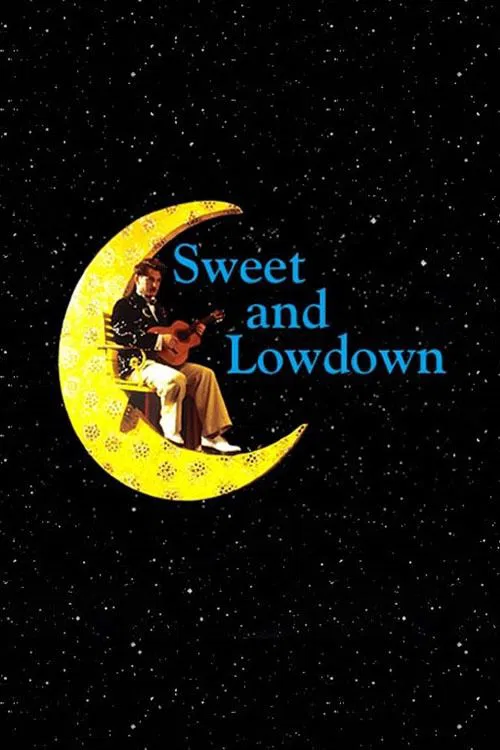
  2. Sweet and Lowdown (1999) poster

    Sweet and Lowdown

    Woody Allen · 1999

    Real critics and biographers, including Woody Allen, Nat Hentoff and Daniel Okrent, appear on screen and discuss Emmet Ray as if he were a real historical figure. They conclude that his late compositions rival those of Django Reinhardt. The framing gives a made-up man a past.

    Where to see it: The expert interviews. The critics and biographers talk about Ray's life and legend between scenes.

Questions

Quick answers

What is mock documentary framing in film?
Presenting an invented story with the tools of a documentary, such as talking-head interviews, narration and archive footage. The factual look makes the fiction feel like history and sets up the jokes.
Which films use mock documentary framing?
Zelig (1983), Sweet and Lowdown (1999).
What kind of technique is mock documentary framing?
It is a narrative technique. Related narrative techniques include Deadpan Absurdism, Obsession as Structural Engine, Disability Without Pity.