Comedy

Zelig

Woody Allen, 1983

In the 1920s, Leonard Zelig turns out to be a man who unconsciously takes on the look and manner of whoever stands near him. A psychiatrist treats him, and he becomes a national sensation. The film is told as a fake documentary, so it is worth watching for how Allen forges history.

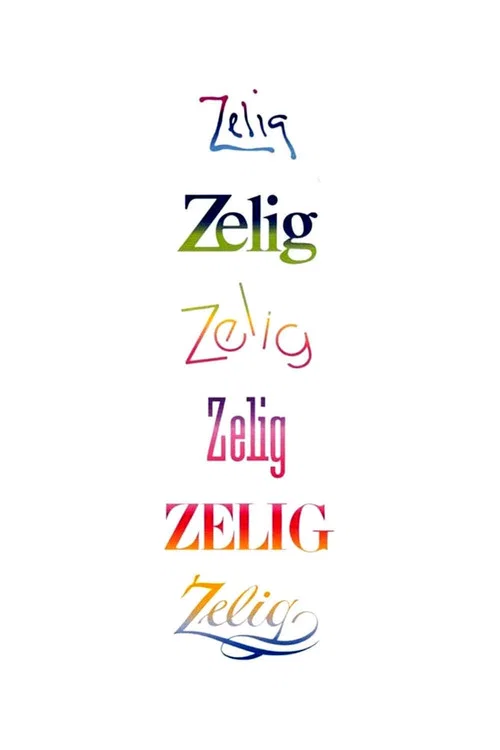
Zelig (1983) poster

At a glance

Zelig is a 1983 comedy film directed by Woody Allen. This breakdown covers 5 techniques (2 narrative, 2 cinematography and 1 psychology), each with the scene where you can see it. If you like how it is made, Hail, Caesar! uses several of the same techniques.

Narrative

Mock Documentary Framing

Presenting an invented story with the tools of a documentary, such as talking-head interviews, narration and archive footage. The factual look makes the fiction feel like history and sets up the jokes.

How this film uses it

Zelig is built like a TV history special. It mixes newsreel-style footage, a narrator and present-day interviews with real cultural figures such as Susan Sontag and Saul Bellow. Everyone talks about Zelig as if he really lived. The serious tone makes the idea of a human chameleon funnier.

Where to see it

The talking-head interviews. Sontag and Bellow look back on Zelig's fame and offer their opinions of what it meant.
Cinematography

Period Film Look Imitation

Recreating the look of an earlier era's film or television using period cameras, film stock, lighting and contrast. The images feel like real records from that time or a tribute to it.

How this film uses it

The crew tracked down antique cameras and lenses and added crinkles and scratches to the negatives. Sound was recorded on antique carbon microphones. The footage ends up looking like a genuine record from the 1920s. That is why you accept Allen standing beside historical crowds.

Where to see it

The newsreel scenes of Zelig in the 1920s. The scratched, jumpy black-and-white images sit next to real archive footage and pass for the same thing.

Cinematography

Era-Coded Visual Grammar

Changing the color, film texture and camera style for each time period, and using the fashion and architecture of the day. Every era gets its own distinct feel.

How this film uses it

The past is black and white with a damaged, old-film texture. The present-day interviews are in color. You always know which era you are in. The split also tells you the story is being told as history.

Where to see it

The cut from the 1920s newsreel look to a color interview. The change in color and texture marks the jump from then to now.

Narrative

Deadpan Absurdism

Showing extreme, violent or surreal events while the characters react as if nothing unusual is happening. That mismatch is funny and unsettling at the same time.

How this film uses it

The film treats a man who physically changes to match those around him as ordinary news. The narrator and the experts report it calmly. Zelig turns up behind Hitler at a rally and the film plays it as a fact to be explained.

Where to see it

The Munich rally. Dr. Fletcher finds Zelig standing behind Hitler among the Nazi leaders, and the film handles it as one more fact of the case.

Psychology

Identity Construction and Loss

Showing a character's sense of self being built, borrowed or stripped away by pressure, roles or the group. Who they are shifts with what they wear, say or join.

How this film uses it

Zelig has no strong self, so he becomes whoever he is near. Dr. Fletcher's hypnosis exposes the cause. It is his compulsion to fit in. You can read the film as a joke about wanting approval, and as a warning about what it costs.

Where to see it

The hypnosis sessions. Dr. Eudora Fletcher draws out why Zelig keeps changing, and he says he wants to be liked.

Questions

Zelig: quick answers

What filmmaking techniques does Zelig use?
CineCode breaks down 5 techniques in Zelig (1983): Mock Documentary Framing, Period Film Look Imitation, Era-Coded Visual Grammar, Deadpan Absurdism and Identity Construction and Loss.
Who directed Zelig?
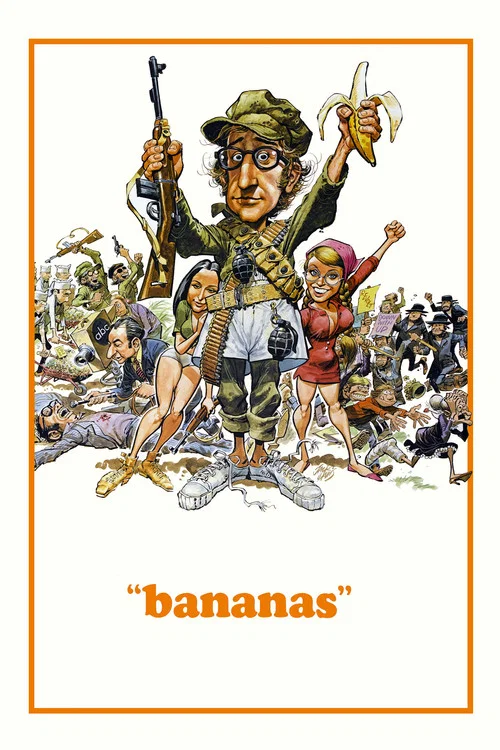
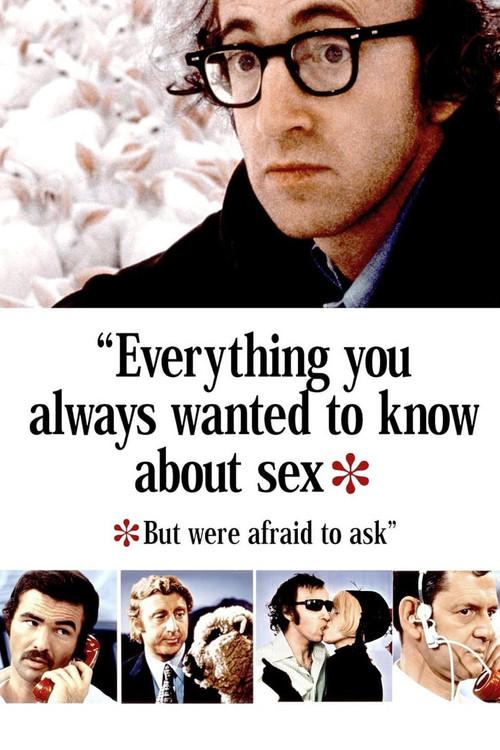
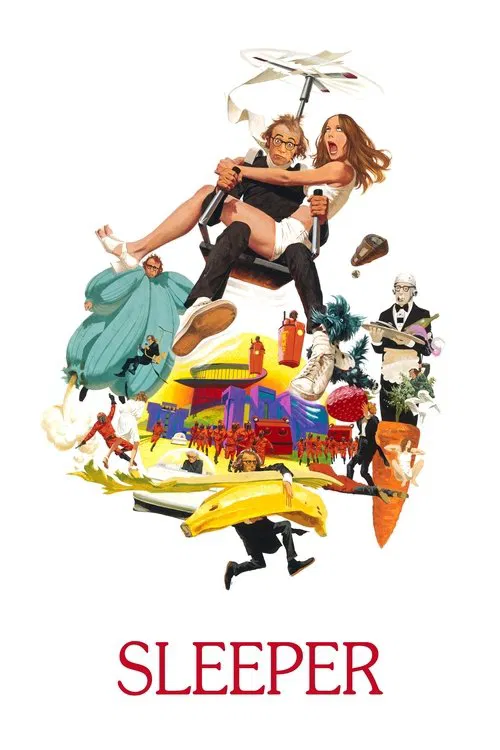
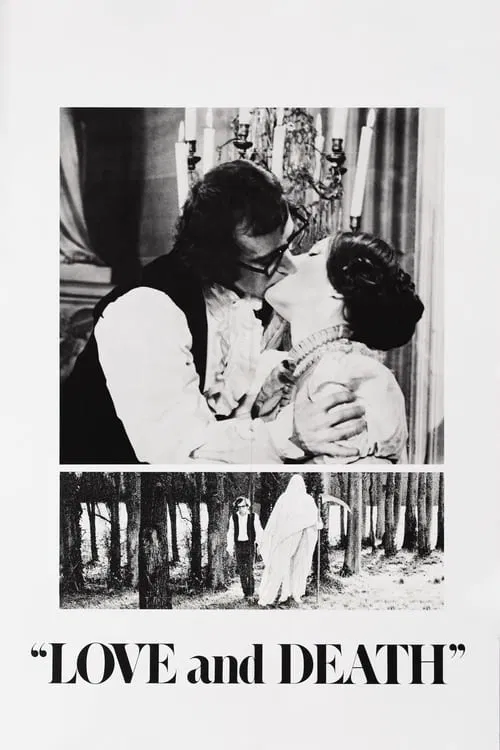
Woody Allen directed Zelig, released in 1983. CineCode also covers Take the Money and Run (1969), Bananas (1971), Everything You Always Wanted to Know About Sex *But Were Afraid to Ask (1972), Sleeper (1973), Love and Death (1975), Annie Hall (1977).
What films are similar to Zelig?
Films that share techniques with Zelig include Hail, Caesar! (2016), Bugonia (2025), City of God (2002), The Grand Budapest Hotel (2014).