Narrative technique · used in 9 films

Disability Without Pity

Writing a disabled character as a full person with humor, anger, desire and choices of their own. The disability is one part of their life, and the film never plays it for tragedy or inspiration.

Examples

9 films that use it

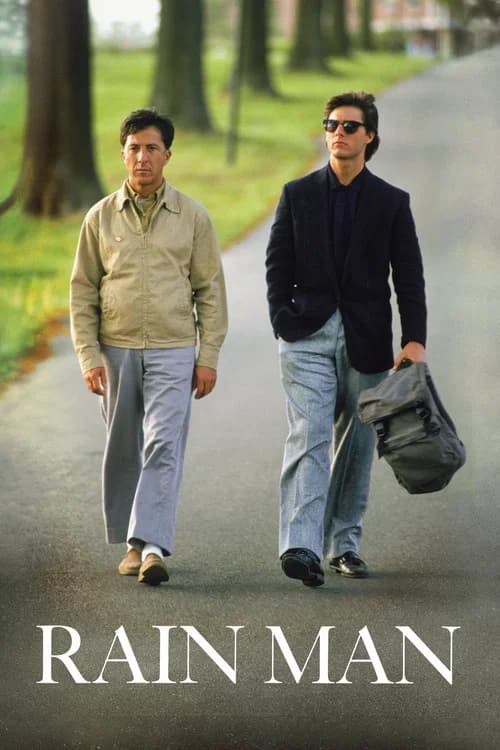
  1. Rain Man (1988) poster

    Rain Man

    Barry Levinson · 1988

    Dustin Hoffman's Raymond is never a symbol or a lesson. His routines, his limits and his moments of connection are always shown in specific detail, and that keeps sentimentality out.

    Where to see it: Raymond's need to watch The People's Court at a specific time, whatever the circumstances. The film doesn't play it for laughs or for tears. It treats it as a fact of his inner world and simply makes room for it.
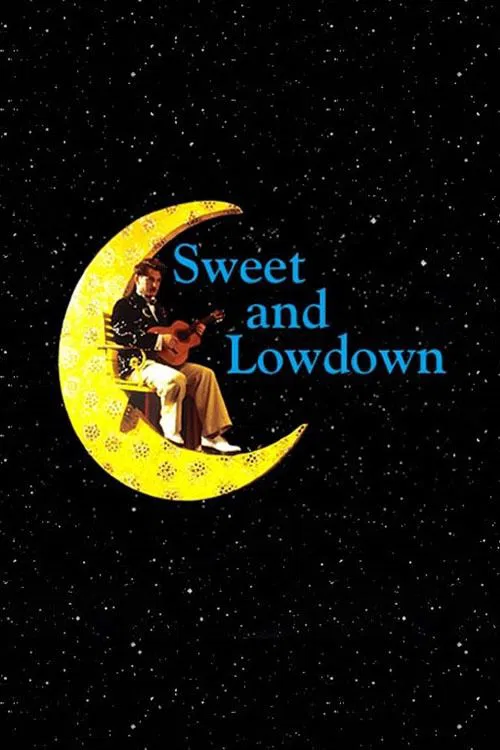
  2. Sweet and Lowdown (1999) poster

    Sweet and Lowdown

    Woody Allen · 1999

    Hattie is a mute laundress. She is warm, playful and capable, and Samantha Morton was told to play her like Harpo Marx. The film never plays her silence for tragedy.

    Where to see it: Hattie and Ray. They build a close relationship, and Ray later finds her happily married with children.

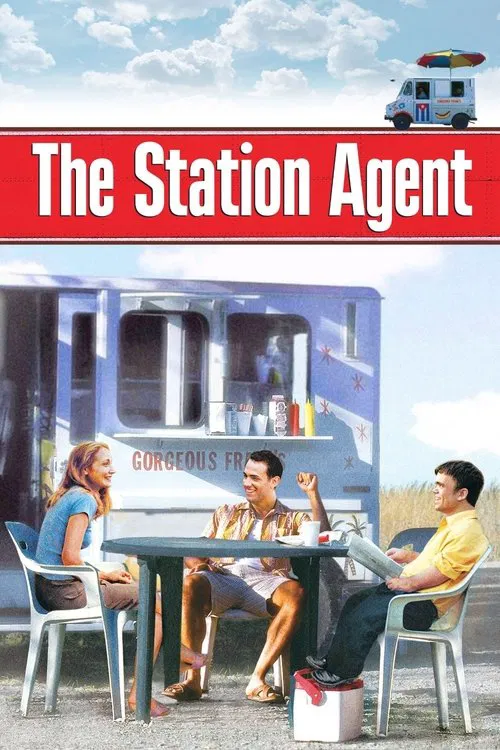
  3. The Station Agent (2003) poster

    The Station Agent

    Tom McCarthy · 2003

    Fin is a man with dwarfism, and the film treats that as one fact about him. He is dry, private and stubborn, and he makes his own choices. The story keeps its attention on what he wants.

    Where to see it: Fin at the train shop. He works quietly among the model trains in Hoboken until his friend Henry dies and leaves him the depot.

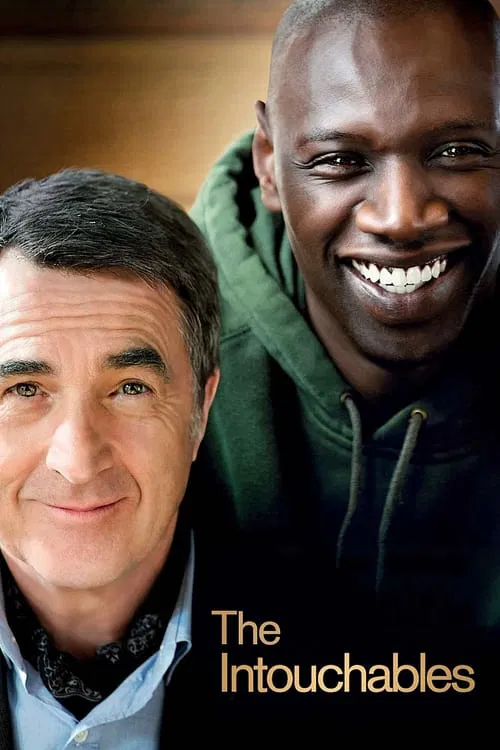
  4. The Intouchables (2011) poster

    The Intouchables

    Olivier Nakache, Eric Toledano · 2011

    Nakache and Toledano, along with Cluzet's performance, make sure you never pity Philippe. His disability is a fact about him, and it does not define him. The friendship is possible because Driss refuses to pity him.

    Where to see it: Driss's job interview. He shows no reverence or discomfort at all, and that sets the tone for the whole film.

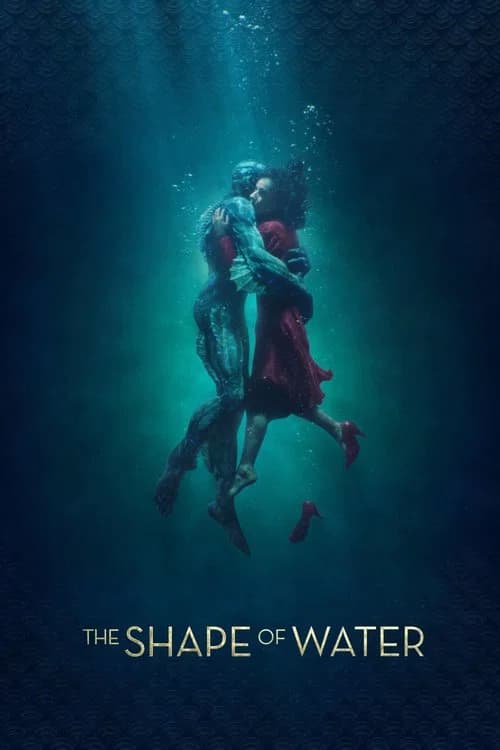
  5. The Shape of Water (2017) poster

    The Shape of Water

    Guillermo del Toro · 2017

    The film doesn't treat Elisa's muteness as suffering or as a magical gift. It is simply how she communicates: with sign language, with notes and with her body. You are never asked to pity her or to be amazed by her resilience. Her disability is the reason she can communicate with the creature. The film treats that as natural, 2 beings outside the language of power who find one they share.

    Where to see it: Elisa signing to the creature. They communicate as naturally and directly as any 2 people talking out loud. The film never presents sign language as a limitation she has to overcome.

  6. Wonderstruck (2017) poster

    Wonderstruck

    Todd Haynes · 2017

    Rose and Ben are deaf, and the film treats them as full people on a quest. They are curious, stubborn and capable. Their deafness is part of their journey, and the film does not use it to make you cry.

    Where to see it: The two runaways. Both children leave home alone on a search for a parent and the film stays with their point of view.

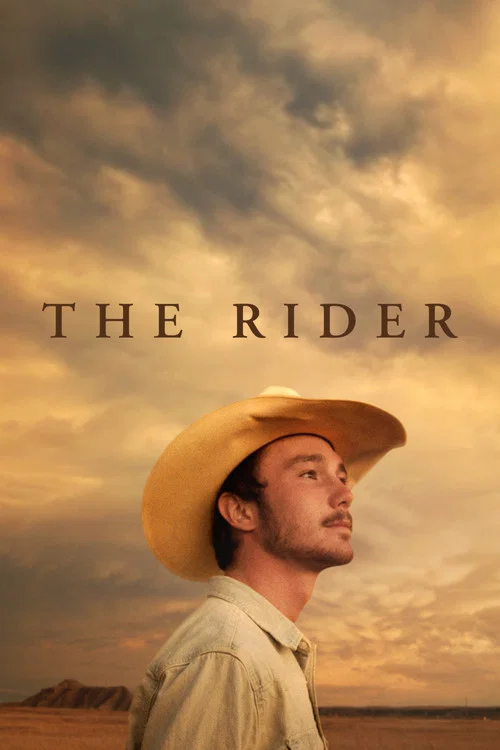
  7. The Rider (2018) poster

    The Rider

    Chloé Zhao · 2018

    Brady's injury weakens his right hand and gives him seizures, but the film never asks you to feel sorry for him. He takes a job at a grocery store and keeps breaking in horses. Lane gets the same dignity, even as he lives in care.

    Where to see it: Grocery job and horses: with his savings he plans to buy a horse. His father buys the horse Apollo for him, and Brady bonds with it.

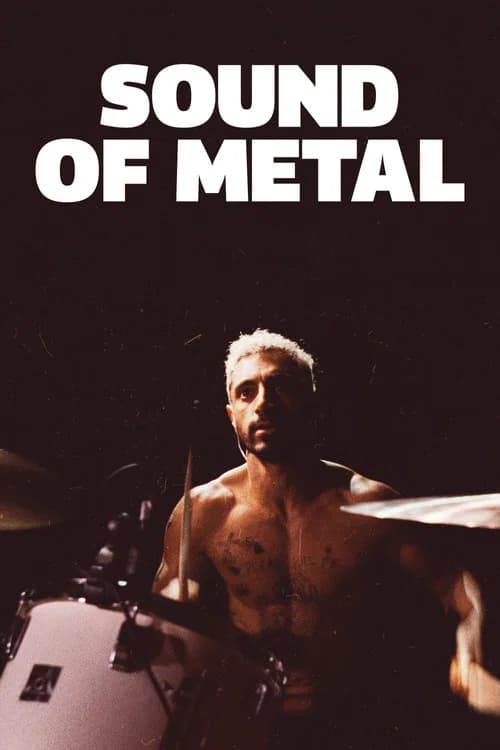
  8. Sound of Metal (2019) poster

    Sound of Metal

    Darius Marder · 2019

    The Deaf community Ruben enters is shown as a complete, working world. The film gives Deaf culture the same fullness it gives the hearing world Ruben is mourning. It never uses the community as a lesson or a consolation.

    Where to see it: Ruben learning ASL and sitting in silence in Joe's study. The film shows that stillness has value in itself.

  9. Bring Her Back (2025) poster

    Bring Her Back

    Danny Philippou, Michael Philippou · 2025

    Piper is visually impaired and the film gives her sport, humor and a will of her own. She plays goalball, a game built for blind players, and she is the one who finally gets away. Her sight loss shapes how scenes are staged, but the story never asks you to feel sorry for her.

    Where to see it: Piper's goalball practice and the finale. Laura picks her up from practice, and later Piper locks herself in the bathroom and escapes Laura.

Questions

Quick answers

What is disability without pity in film?
Writing a disabled character as a full person with humor, anger, desire and choices of their own. The disability is one part of their life, and the film never plays it for tragedy or inspiration.
Which films use disability without pity?
Rain Man (1988), Sweet and Lowdown (1999), The Station Agent (2003), The Intouchables (2011), The Shape of Water (2017), Wonderstruck (2017) and 3 more films in the CineCode library.
What kind of technique is disability without pity?
It is a narrative technique. Related narrative techniques include Character Arc Inversion, Fish-Out-of-Water Comedy, Mock Documentary Framing.