Psychology technique · used in 20 films

Identity Construction and Loss

Showing a character's sense of self being built, borrowed or stripped away by pressure, roles or the group. Who they are shifts with what they wear, say or join.

Examples

20 films that use it

  1. Shoot the Piano Player (1960) poster

    Shoot the Piano Player

    François Truffaut · 1960

    Édouard Saroyan, a concert pianist, hides under the name Charlie Kohler after his wife's death. His new name and small job are a shield. Léna knows his real name and keeps pulling him back toward his past.

    Where to see it: Charlie's backstory. Édouard learns from his wife Thérèse that his career came from her affair with an agent, and she then kills herself.

  2. 3 Women (1977) poster

    3 Women

    Robert Altman · 1977

    A person's sense of self can be borrowed or erased. After her coma, Pinky insists on being called Mildred, the name both women were born with. Her old shyness disappears, and Millie loses her own bossiness.

    Where to see it: The new name: Pinky insists on being called Mildred. She copies Millie's habits, including shooting guns at Dodge City.

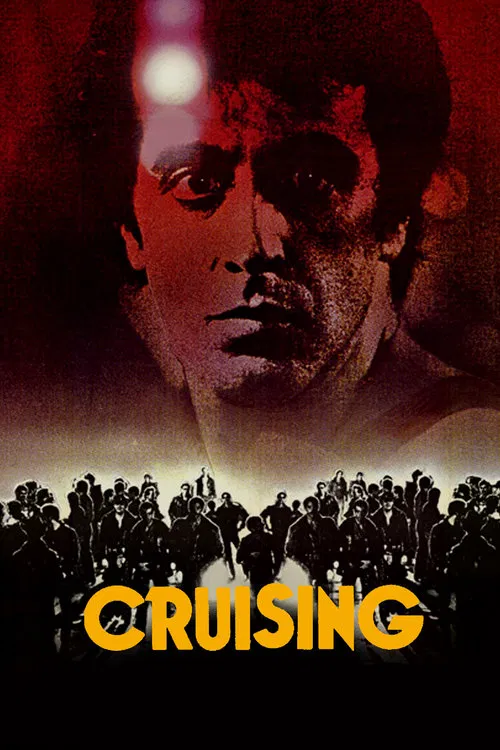
  3. Cruising (1980) poster

    Cruising

    William Friedkin · 1980

    Burns changes his clothes, his walk and his habits to fit in. His girlfriend Nancy notices he is drifting away. By the end, you can no longer tell where the cop stops and the role begins.

    Where to see it: The final mirror scene. Burns promises Nancy he will tell her everything after he shaves, and then he stares blankly into the mirror.

  4. Zelig (1983) poster

    Zelig

    Woody Allen · 1983

    Zelig has no strong self, so he becomes whoever he is near. Dr. Fletcher's hypnosis exposes the cause. It is his compulsion to fit in. You can read the film as a joke about wanting approval, and as a warning about what it costs.

    Where to see it: The hypnosis sessions. Dr. Eudora Fletcher draws out why Zelig keeps changing, and he says he wants to be liked.

  5. G.I. Jane (1997) poster

    G.I. Jane

    Ridley Scott · 1997

    O'Neil shaves her own head during training. The scene reads as a choice. She gives up the look that set her apart as a woman in a male unit and takes on the same look as her teammates. One way to read it is that this is the moment she stops asking to be treated as an exception.

    Where to see it: The head shave: partway through training, O'Neil shaves her head herself.

  6. Alien Resurrection (1997) poster

    Alien Resurrection

    Jean-Pierre Jeunet · 1997

    Ripley 8 is a clone with an Alien queen's DNA, so she is neither fully human nor fully monster. The film uses her body and her blood to show someone whose self was built by others.

    Where to see it: Ripley's answer: Call asks Ripley 8 what she plans to do, and she replies that she is a stranger herself.

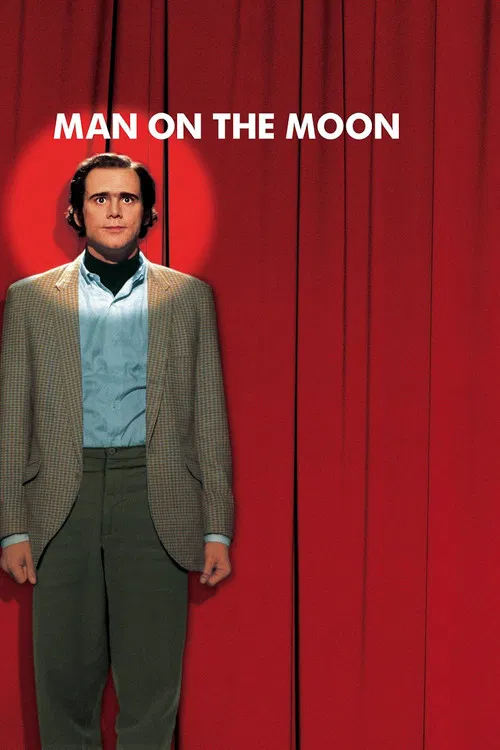
  7. Man on the Moon (1999) poster

    Man on the Moon

    Miloš Forman · 1999

    Kaufman builds the Foreign Man, who becomes Latka on Taxi, then Elvis and Tony Clifton, and then struggles to be taken seriously as himself. Carrey stayed in character on and off set, which echoes how a role can swallow a person.

    Where to see it: The Tony Clifton reveal. Kaufman introduces his manager to Clifton, a crude lounge singer who turns out to be Kaufman in disguise.

  8. The Talented Mr. Ripley (1999) poster

    The Talented Mr. Ripley

    Anthony Minghella · 1999

    Tom forges letters, signs checks and lives in hotels as both men. Each new lie needs another lie, and the real Tom disappears. By the end he has no self left except the one he made up.

    Where to see it: Living as Dickie: Tom forges letters to convince Marge that Dickie has left her for Rome. He stays in hotels as both men.

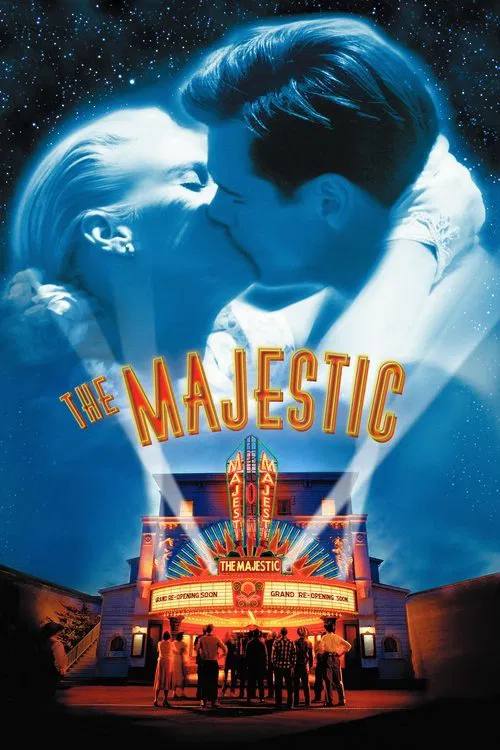
  9. The Majestic (2001) poster

    The Majestic

    Frank Darabont · 2001

    Peter loses his memory and the townspeople give him a new identity as Luke Trimble. He puts on the role until it becomes real to him and to them. When the truth comes out, he loses it all again.

    Where to see it: The mistaken identity. The townspeople mistake Peter for the missing soldier Luke, and he goes along with it.

  10. The Human Stain (2003) poster

    The Human Stain

    Robert Benton · 2003

    Coleman has built a new self and given up his family to do it. Flashbacks show how much the choice cost him. The film asks you what a person owes to the self they invented.

    Where to see it: Coleman's flashbacks: The young Coleman, played by Wentworth Miller, makes the choices that create the man he becomes.

  11. Hellboy (2004) poster

    Hellboy

    Guillermo del Toro · 2004

    Hellboy came through a portal as an infant, and Rasputin wants him to reopen it. At the end he reseals it. The film asks whether he is a demon or a person, and he answers by what he chooses to do.

    Where to see it: The climax: Hellboy reseals the portal to the Ogdru Jahad and lets the Behemoth swallow him, then blows it up from inside with a grenade belt.

  12. Lust, Caution (2007) poster

    Lust, Caution

    Ang Lee · 2007

    Wong begins as a shy student and finds confidence on stage, where her acting moves the audience. The group later sends her undercover as the elegant Mrs. Mak. The part she plays draws her closer to the man she has to fool.

    Where to see it: The drama club: Wong becomes the lead actress in the student plays, and the group later picks her to play Mrs. Mak, wife of a trading company owner.

  13. I'm Not There (2007) poster

    I'm Not There

    Todd Haynes · 2007

    No single actor owns the main character, and the film never settles on one answer. Each version of Dylan is shaped by the role he plays: a young kid, a poet, a folk hero, a pastor. You see an identity built and thrown off again.

    Where to see it: The Jude Quinn storyline. Cate Blanchett plays Dylan in 1966 as Jude Quinn, and the film closes on real 1966 concert footage of Dylan playing harmonica.

  14. The Tourist (2010) poster

    The Tourist

    Florian Henckel von Donnersmarck · 2010

    Pearce is believed to have changed his face to disappear, so everyone in the film is trying to read a man who has made himself into someone else. Frank's role as an ordinary teacher is a built identity, and the film asks what is left of the old self.

    Where to see it: The confrontation with Shaw. Frank claims to be Pearce, and the police open fire on Shaw and his men.

  15. Tomboy (2011) poster

    Tomboy

    Céline Sciamma · 2011

    Laure tries out a self in front of new friends, and it fits. She chooses a name, plays football with the boys and gets a first kiss from Lisa. Then the identity is taken apart by adults and by the other kids.

    Where to see it: The new neighborhood. Lisa assumes Laure is a boy, and Laure gives the name Mickael.

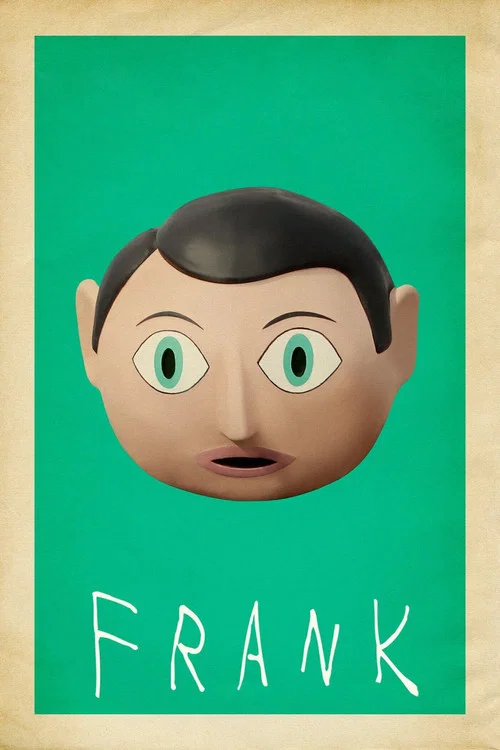
  16. Frank (2014) poster

    Frank

    Lenny Abrahamson · 2014

    Frank's mask is his identity. Michael Fassbender plays him under it, and Jon wants to see his real face. When the mask breaks after a car hits Frank, he runs away before Jon can see him.

    Where to see it: The motel: Jon tries to unmask Frank, who runs outside, is hit by a car and breaks the mask.

  17. The Danish Girl (2015) poster

    The Danish Girl

    Tom Hooper · 2015

    Einar's sense of self changes with what he wears and how he moves. Makeup, a wig and clothes let Lili appear, and as she grows stronger Einar fades. The film lets you see a person being built in front of you.

    Where to see it: The artists' ball: Gerda suggests Einar attend as Lili, and they prepare him with makeup, clothes and a wig. At the ball, Lili spends the night with Henrik Sandahl.

  18. The Neon Demon (2016) poster

    The Neon Demon

    Nicolas Winding Refn · 2016

    Jesse arrives as a plain teenager and slowly takes on the cold confidence of the models around her. The film shows a self being built out of other people's attention. By the end, nothing of the original girl is left.

    Where to see it: After the fashion show. Jesse acts self-centered at the bar, and Dean finds it unpleasant and tries to leave without her.

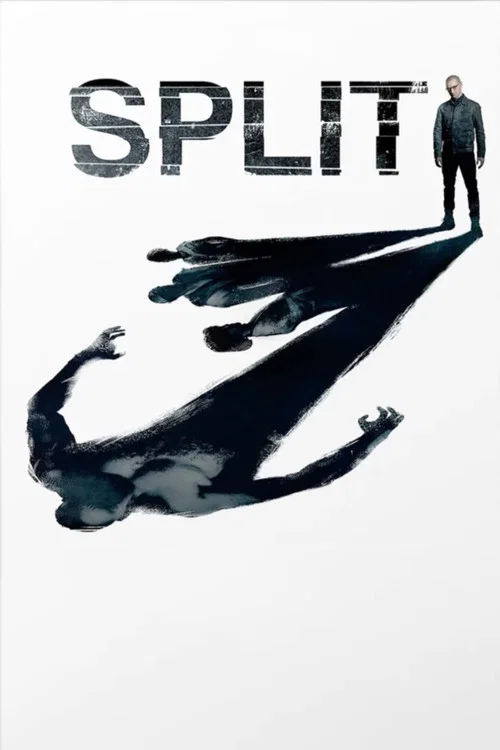
  19. Split (2017) poster

    Split

    M. Night Shyamalan · 2017

    Kevin's self has split into 23 alters that fight over who gets to be in control. His body language and voice change with each one, so you can tell who is in the room without a title card.

    Where to see it: Taking the light: The alter Barry controls which identities get time out in the world, which keeps Dennis and Patricia sidelined.

  20. Hit Man (2024) poster

    Hit Man

    Richard Linklater · 2024

    Gary is quiet and careful, while Ron is confident and charming. As Ron, Gary becomes bolder with Madison, and he starts to like who he is when he plays the part. The film asks whether the mask is really the true self.

    Where to see it: The confession scene: Gary wears a wire and pretends to interrogate Madison as Ron, giving her acting cues typed on his phone.

Questions

Quick answers

What is identity construction and loss in film?
Showing a character's sense of self being built, borrowed or stripped away by pressure, roles or the group. Who they are shifts with what they wear, say or join.
Which films use identity construction and loss?
Shoot the Piano Player (1960), 3 Women (1977), Cruising (1980), Zelig (1983), G.I. Jane (1997), Alien Resurrection (1997) and 14 more films in the CineCode library.
What kind of technique is identity construction and loss?
It is a psychology technique. Related psychology techniques include Psychological Doubling.