
Cinematography technique · used in 3 films

Panoptic Space Design

Designing a location so that everyone in it can be watched by a central authority at all times. Being constantly seen creates pressure and shows who has power over whom.

Examples

3 films that use it

  1. M (1931) poster

    M

    Fritz Lang · 1931

    Lang designs the city as 1 big surveillance network. There are police maps, networks of informants and organized beggars who mark Beckert with chalk. Every public space is watched. The irony is that the criminal underworld watches more thoroughly than the state does. The film's paranoid city is a panopticon, a place where everyone can be seen at all times, and people outside the law keep it running.

    Where to see it: The beggar network activating. The whole city comes under organized watch. Criminals running the surveillance turn out to be more efficient than police procedure.
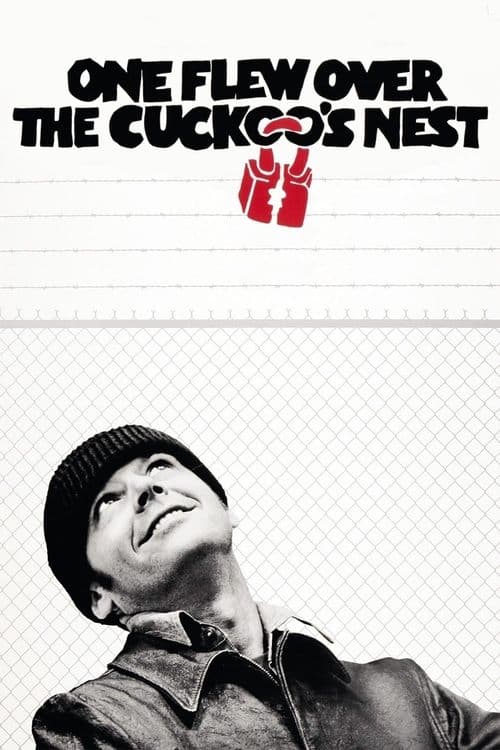
  2. One Flew Over the Cuckoo's Nest (1975) poster

    One Flew Over the Cuckoo's Nest

    Miloš Forman · 1975

    The ward is an open floor with glass windows, and Nurse Ratched's station can see every patient at all times. Haskell Wexler and Bill Butler's cinematography keeps her station in frame consistently, even in patient close-ups. The way the film is built, there is no getting away from her gaze.

    Where to see it: The group therapy sessions. You can see Ratched through the glass behind every patient reaction shot.

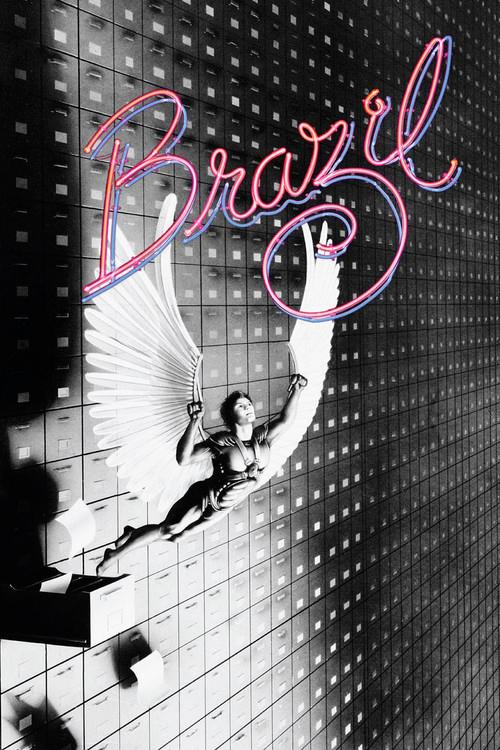
  3. Brazil (1985) poster

    Brazil

    Terry Gilliam · 1985

    Gilliam designs the Ministry so the institution can see everyone. There are open-plan offices where clerks watch each other, monitoring stations and interrogation rooms with their own special technology. This is panoptic design, where anyone can be watched at any time. It is fairly quiet about its oppression. It is simply how buildings look in a world where being watched is a condition of existing.

    Where to see it: The Ministry of Information offices. You get the open-plan clerk galleries and the monitoring stations. In these buildings, everyone can see everyone else all the time.

Questions

Quick answers

What is panoptic space design in film?
Designing a location so that everyone in it can be watched by a central authority at all times. Being constantly seen creates pressure and shows who has power over whom.
Which films use panoptic space design?
M (1931), One Flew Over the Cuckoo's Nest (1975), Brazil (1985).
What kind of technique is panoptic space design?
It is a cinematography technique. Related cinematography techniques include Naturalistic Ensemble Casting.