Narrative technique · used in 18 films

Environmental Satire

Mocking a specific world, such as an industry, an institution or consumer culture, by exaggerating what is already there. A sci-fi future built from present trends can do this with no direct argument.

Examples

18 films that use it

  1. Modern Times (1936) poster

    Modern Times

    Charlie Chaplin · 1936

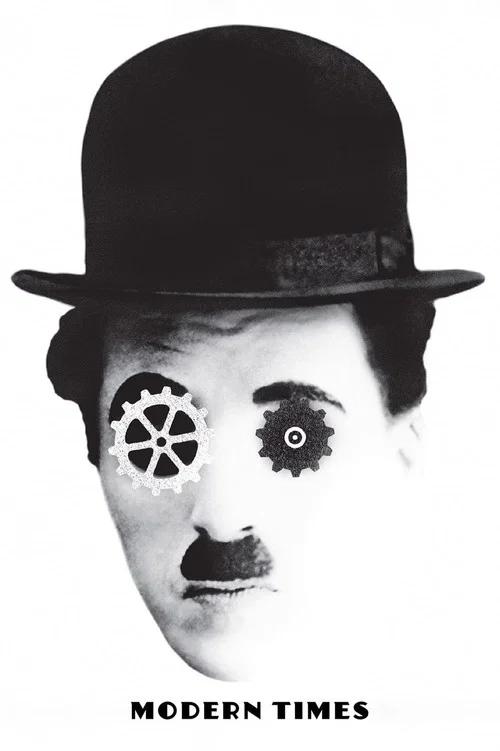
    The factory is a machine that treats workers as parts. The assembly line pushes the Tramp until he breaks down, and the feeding machine tries to save lunch time by feeding him while he works. Chaplin exaggerates what already existed in the real workplaces of his time.

    Where to see it: The feeding machine. The factory president watches a demonstration of a machine that feeds workers at their stations, and the Tramp is the test subject.
  2. Fahrenheit 451 (1966) poster

    Fahrenheit 451

    François Truffaut · 1966

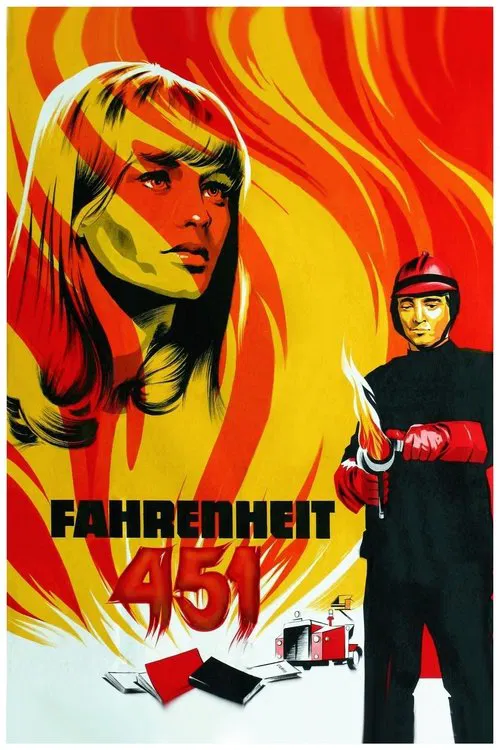
    Montag's wife Linda lives for The Family, an interactive television program that calls its viewers cousins. Truffaut mocks a world that prefers screen company to real thought. The satire works because the TV looks harmlessly cheerful.

    Where to see it: Linda's living room. Montag confronts her and her friends and calls them zombies who are just killing time.

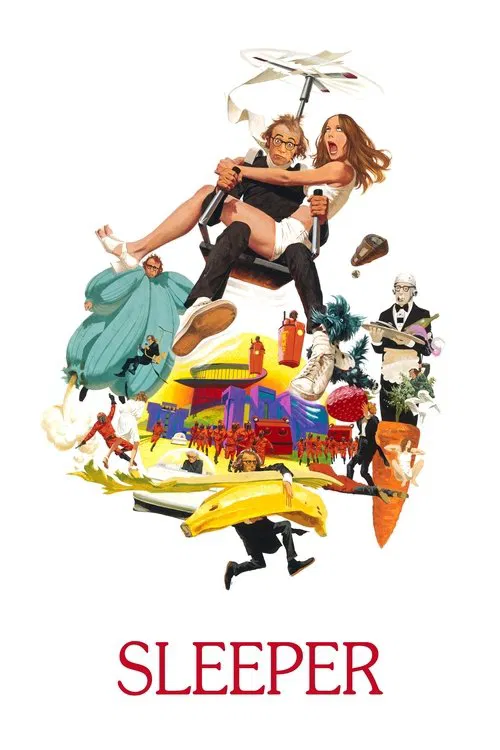
  3. Sleeper (1973) poster

    Sleeper

    Woody Allen · 1973

    The future takes today's trends to an extreme. The orgasmatron, a device Miles encounters, is read by critics as a parody of Wilhelm Reich's orgone accumulator. The jokes make the future look like a funhouse mirror of the present.

    Where to see it: The orgasmatron: Miles encounters the orgasmatron, a futuristic device.

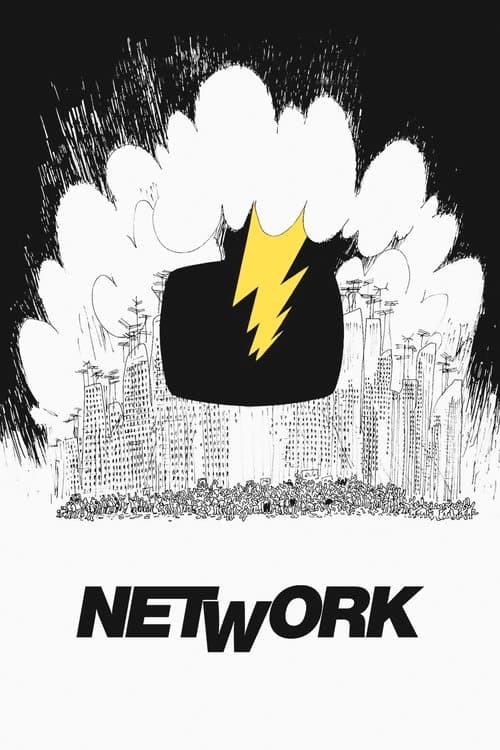
  4. Network (1976) poster

    Network

    Sidney Lumet · 1976

    The television network is the setting, and it's also the thing the film is mocking. Its meetings, its ratings talk and its programming decisions show what a society will eventually produce if it measures everything by audience share. Chayefsky's dialogue exaggerates the logic of corporate television by perhaps 10 percent.

    Where to see it: The programming meetings. Diana Christensen pitches revolutionary terrorism as a television format. The network's logic is being applied to its own destruction.

  5. Time Bandits (1981) poster

    Time Bandits

    Terry Gilliam · 1981

    Kevin's parents care only about the latest household gadgets. Gilliam makes them shallow and loud, and the ending makes them pay for it. They ignore Kevin's warning and touch a piece of Evil.

    Where to see it: The house fire ending. Kevin's parents touch a smoldering rock in the toaster oven despite his warning and explode, leaving only their shoes.

  6. Brazil (1985) poster

    Brazil

    Terry Gilliam · 1985

    Gilliam's totalitarian state runs on paperwork, fights between departments and form-processing. It can't correct a clerical error, and it destroys anyone who draws attention to one. That is a precise satire of how a bureaucracy protects itself. The logic of the system is real. Gilliam only changed the scale.

    Where to see it: The Buttle arrest and its aftermath. A clerical error becomes a murder. The bureaucracy can't admit fault because that would need a form no one is authorized to file.

  7. They Live (1988) poster

    They Live

    John Carpenter · 1988

    The film exaggerates the consumer culture already around it. Ads become blunt commands and the rich become literal aliens who feed on everyone else. The target is a society that rewards getting and spending, and the film makes that look ridiculous.

    Where to see it: The bank: Nada enters a bank and sees that multiple employees and customers are aliens. He kills several and escapes with a hostage.

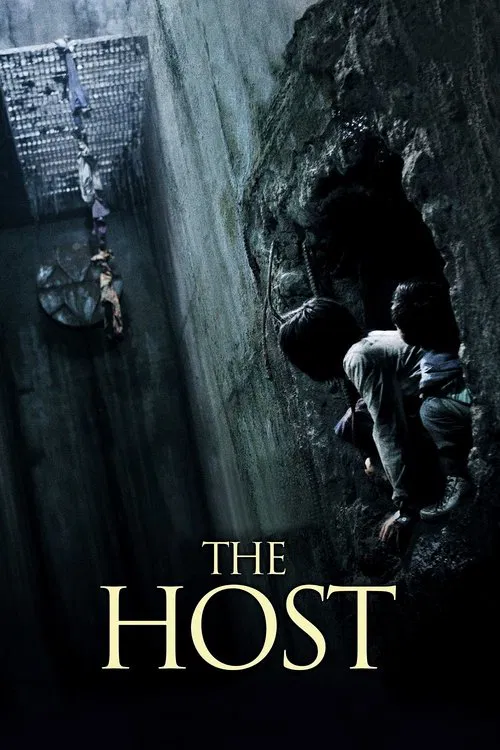
  8. The Host (2006) poster

    The Host

    Bong Joon-ho · 2006

    The film begins with an American pathologist ordering formaldehyde dumped into a drain that flows to the Han River. A creature then appears and the government blames a virus. The monster is the result of the people who run the system.

    Where to see it: The opening dumping scene. A pathologist orders chemicals poured down the drain, and the story jumps to the river six years later.

  9. WALL-E (2008) poster

    WALL-E

    Andrew Stanton · 2008

    The Axiom scenes skip the argument that consumerism is destroying the planet. They just show you a world where it already has. The humans are obese, glued to screens and riding hover-chairs, surrounded by corporate branding. They are a comic exaggeration of where things are heading now. You are meant to recognize them, so no case needs to be made.

    Where to see it: The Axiom. It is a floating shopping mall full of people who have forgotten they have legs.

  10. The Zero Theorem (2013) poster

    The Zero Theorem

    Terry Gilliam · 2013

    Qohen works for Mancom, a company that has him crunch "entities" in a noisy office. The streets are bright, crowded and polluted. Gilliam exaggerates modern work and city life until both look absurd.

    Where to see it: The office and the street. Qohen leaves his quiet home to travel through bright, crowded, polluted streets to a noisy desk.

  11. The Lego Movie (2014) poster

    The Lego Movie

    Phil Lord, Christopher Miller · 2014

    Bricksburg is a city where everyone follows the same instructions, sings the same cheerful song and does the same job. The film pokes fun at the instruction booklet that comes in every Lego box, and at a society that rewards fitting in. The joke lands because the toy really does come with that booklet.

    Where to see it: Emmet's life in Bricksburg. He is a construction worker who goes through his day by the book, and he is so ordinary that nobody notices him.

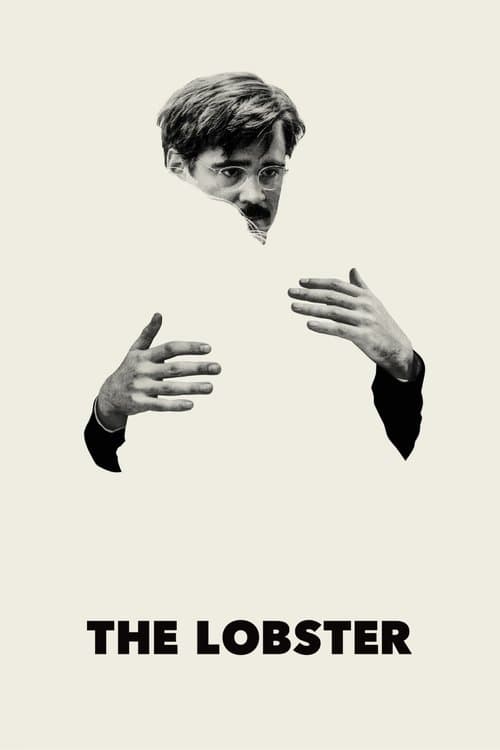
  12. The Lobster (2015) poster

    The Lobster

    Yorgos Lanthimos · 2015

    The Hotel mocks modern couple culture by taking its unspoken demands and making them literal. The Loners in the woods mock the opposite extreme. Their ban on romantic behavior is as forceful as the Hotel's demand for it. Lanthimos finds institutions forcing people on both sides of the culture war over being in a couple.

    Where to see it: The Loner leader's rules. The anti-couple commune enforces its bans as strictly as the Hotel enforces its requirements. The satire finds force being used on both opposing sides.

  13. Okja (2017) poster

    Okja

    Bong Joon-ho · 2017

    The Mirando Corporation sells super pigs as a friendly new food and uses a cheerful publicity machine to sell them. The film exaggerates real marketing and factory farming until both look ridiculous. Bong visited a slaughterhouse in Colorado to prepare for the ending.

    Where to see it: The publicity reunion. Mirando stages a cheerful meeting between Mija and Okja while the company quietly mistreats the animal.

  14. Downsizing (2017) poster

    Downsizing

    Alexander Payne · 2017

    The film mocks a world that sells shrinking as a lifestyle upgrade, with luxury homes for a few inches of height. The joke works because it exaggerates what you already see in real estate and wellness marketing.

    Where to see it: Leisureland: Paul and Audrey choose to downsize and move to Leisureland, a luxury community in New Mexico.

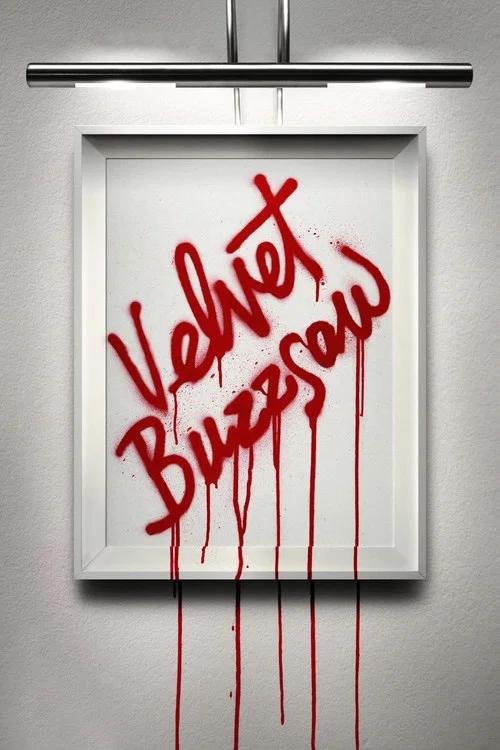
  15. Velvet Buzzsaw (2019) poster

    Velvet Buzzsaw

    Dan Gilroy · 2019

    Gilroy exaggerates what is already there: critics who make careers by trashing or praising, dealers who talk about art like stock and artists who are only worth something after they die. The jokes work because the world on screen is not far from the real one.

    Where to see it: The Dease discovery. Josephina finds the paintings of the dead Vetril Dease, and the people around her start planning how to profit.

  16. Triangle of Sadness (2022) poster

    Triangle of Sadness

    Ruben Östlund · 2022

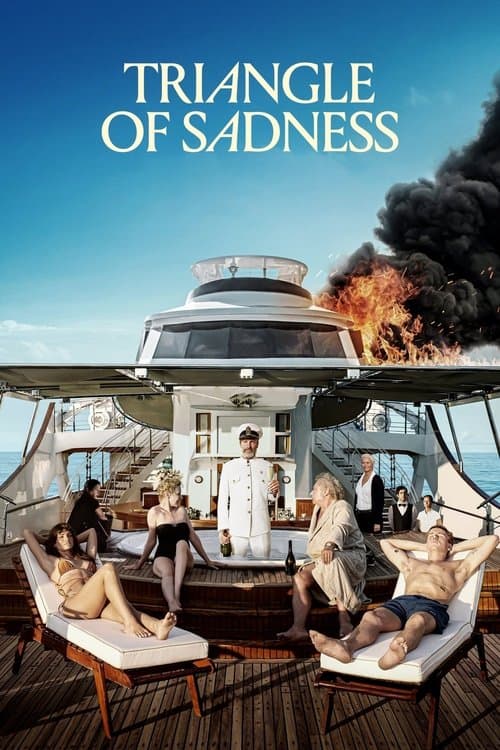
    The yacht is more than a backdrop. It works like a machine that produces the absurdities of extreme wealth and puts them on show. You see the service economy, the performance of luxury and the social agreements that wealth both needs and destroys.

    Where to see it: The crew ordered to swim in the sea because a guest insists. It happens before the storm, and the food left out too long makes the guests sick at the captain's dinner. The guests' whim looks like generosity and ends up making them ill.

  17. The Substance (2024) poster

    The Substance

    Coralie Fargeat · 2024

    The film's entertainment industry is shot in bright, saturated color. Cinematographer Benjamin Kracun described the look as "pink noir". It lets you see the unreality of the beauty industry as an environment someone designed.

    Where to see it: The aerobics TV studio set. It is built as a fantasy of physical perfection with no reference to actual human bodies. The design condemns the whole system before the film says so out loud.

  18. Digger (2026) poster

    Digger

    Alejandro González Iñárritu · 2026

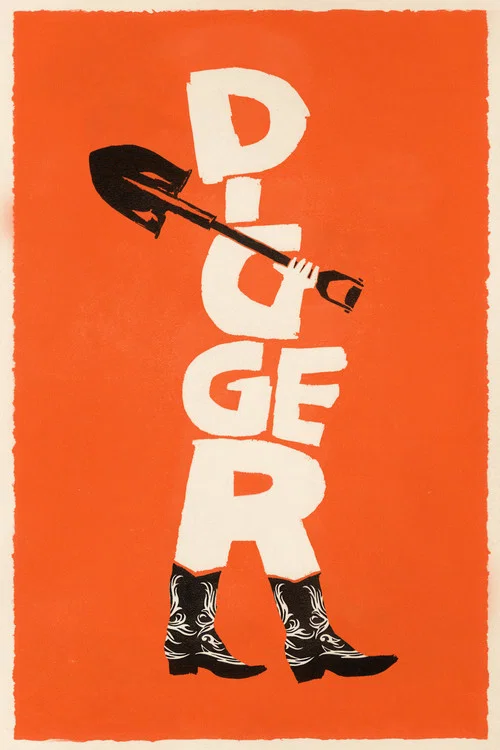
    The film mocks an oil industry that ignores warnings and a government that hides the truth. Digger argues that society depends on oil so he cannot be blamed. The exaggeration makes the real attitudes look ridiculous.

    Where to see it: European Parliament: Digger accepts responsibility for the disaster, but argues he is only meeting global demand. His speech makes the attendees fight among themselves.

Questions

Quick answers

What is environmental satire in film?
Mocking a specific world, such as an industry, an institution or consumer culture, by exaggerating what is already there. A sci-fi future built from present trends can do this with no direct argument.
Which films use environmental satire?
Modern Times (1936), Fahrenheit 451 (1966), Sleeper (1973), Network (1976), Time Bandits (1981), Brazil (1985) and 12 more films in the CineCode library.
What kind of technique is environmental satire?
It is a narrative technique. Related narrative techniques include Comedy Under Duress, Symbolic Object, Deadpan Absurdism.