Sound technique · used in 28 films

Leitmotif

Repeating a short piece of music or a sound every time a certain character, idea or feeling comes up. You learn to connect the 2.

Examples

28 films that use it

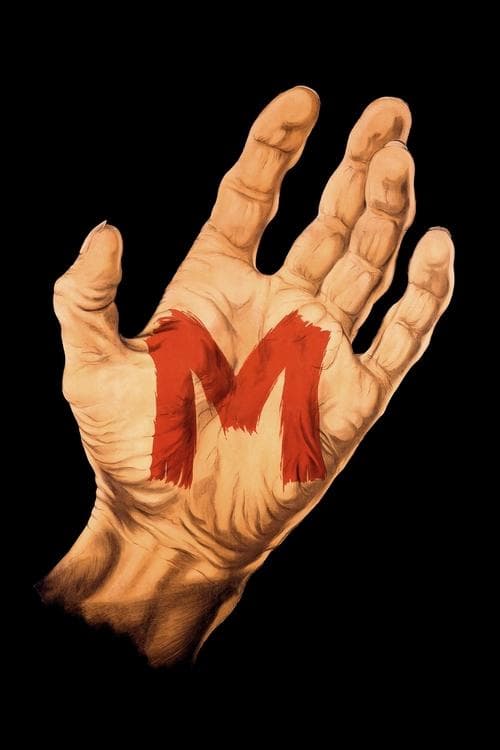
  1. M (1931) poster

    M

    Fritz Lang · 1931

    A leitmotif is a tune tied to 1 character. Hans Beckert whistles Grieg's 'In the Hall of the Mountain King' without knowing it and without being able to stop. Throughout the film, the sound identifies him before the audience or the characters ever see him clearly. Alongside that, the whistle is his signature as a criminal. You hear it before every child disappears, and it marks an urge the murderer can't control.

    Where to see it: The balloon seller scene. You hear Beckert's whistle before you see him. The tune warns you of danger before the child understands it.
  2. The Adventures of Robin Hood (1938) poster

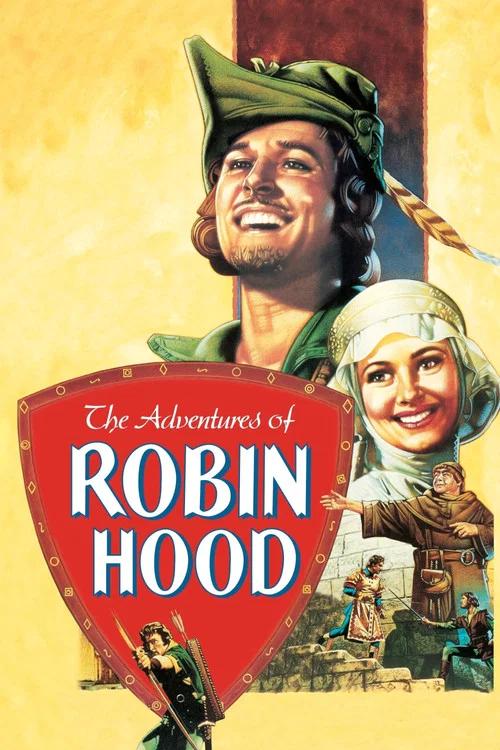
    The Adventures of Robin Hood

    Michael Curtiz · 1938

    Erich Wolfgang Korngold's orchestral score gives the action its own bold themes. He worked on the film week by week and won an Academy Award for it. The music tells you when to cheer before the hero lands a blow.

    Where to see it: The castle finale. Korngold's music drives the sword fight and the rescue of Marian.

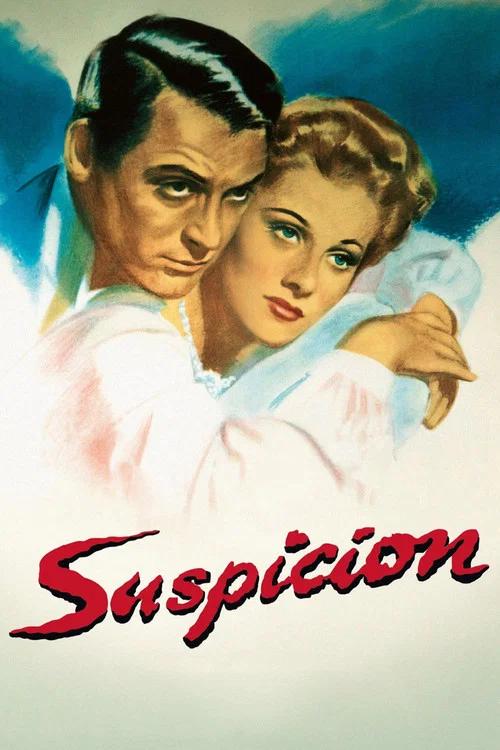
  3. Suspicion (1941) poster

    Suspicion

    Alfred Hitchcock · 1941

    The waltz 'Wiener Blut' comes back at key moments. It starts as a sweet dance tune and turns sad and menacing as Lina's trust breaks down. Each return tells you where her feelings about Johnnie stand.

    Where to see it: The milk scene. A sad version of 'Wiener Blut' plays as Johnnie climbs the stairs with the glass.

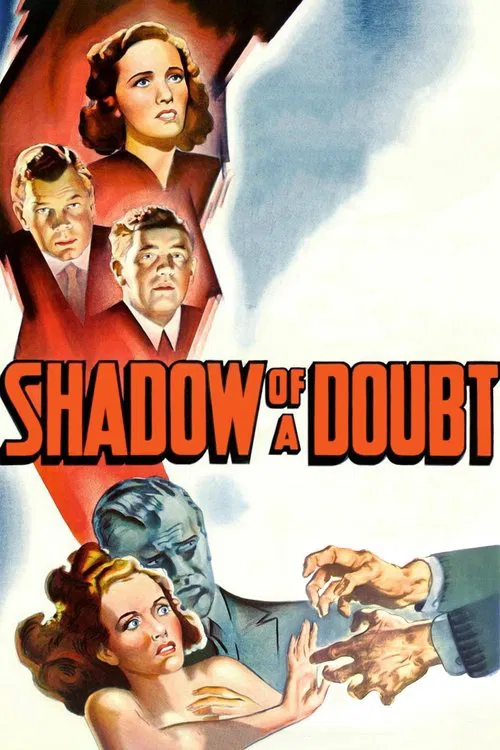
  4. Shadow of a Doubt (1943) poster

    Shadow of a Doubt

    Alfred Hitchcock · 1943

    The Merry Widow Waltz plays over the opening credits with couples dancing in old-fashioned clothes. Composer Dimitri Tiomkin brings it back, often twisted, whenever the murders come close. Young Charlie can't get the tune out of her head, and you already know what it means.

    Where to see it: The opening titles. Couples in Gay Nineties dress waltz to the Merry Widow Waltz. The same dancers come back later at key turning points in the film.

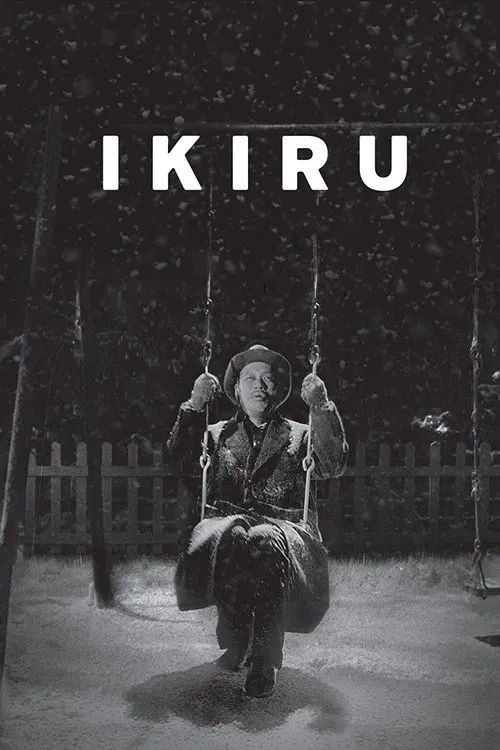
  5. Ikiru (1952) poster

    Ikiru

    Akira Kurosawa · 1952

    'Life Is Brief' ('Gondola no Uta') is first heard in a nightclub, where Watanabe sings it himself as a lament. It comes back at the end, when Watanabe finally understands what he wants. In his last moments, he sings it alone on the swing. Over the course of the film, the tune has gone from a song of loss to something deeply content.

    Where to see it: Watanabe singing in the snow. The melody that started as background music now carries the weight of everything the film has built.

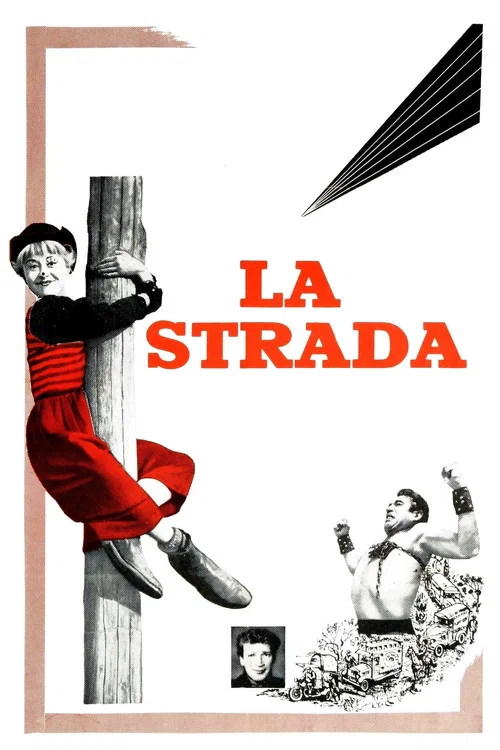
  6. La Strada (1954) poster

    La Strada

    Federico Fellini · 1954

    Nino Rota's wistful main theme first appears on the Fool's violin, then on Gelsomina's trumpet. Each time it returns it carries a little more of what has been lost.

    Where to see it: Gelsomina's trumpet: the tune passes from the Fool to Gelsomina.

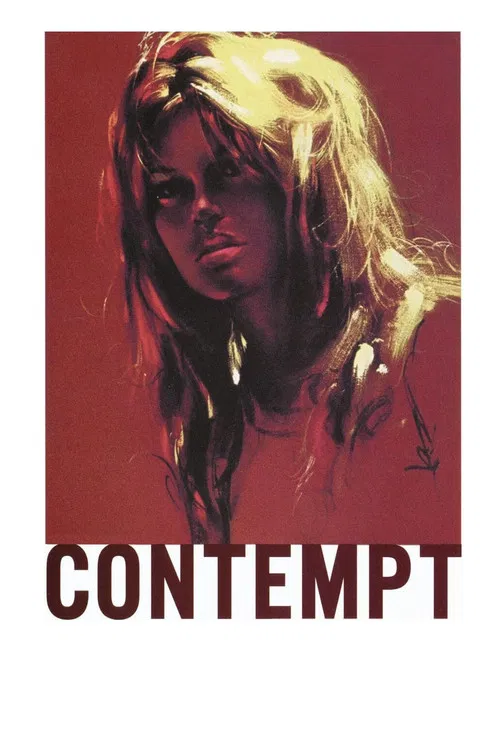
  7. Contempt (1963) poster

    Contempt

    Jean-Luc Godard · 1963

    The score by Georges Delerue includes Theme de Camille, a sweeping romantic theme. It returns as the marriage falls apart, so the music keeps sounding grand while the couple falls apart.

    Where to see it: Theme de Camille: The romantic music returns as the couple's love dies.

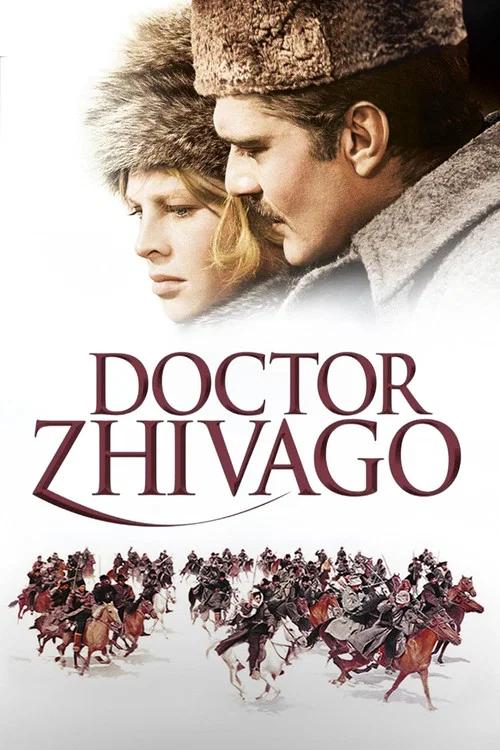
  8. Doctor Zhivago (1965) poster

    Doctor Zhivago

    David Lean · 1965

    Maurice Jarre's Lara's Theme returns whenever Lara and Yuri's love comes up. Each time, the balalaika-flavored tune carries more longing. By the end, you hear her in the music even when she is not on screen.

    Where to see it: The ending. Lara's theme lingers as the general sees the girl with a balalaika.

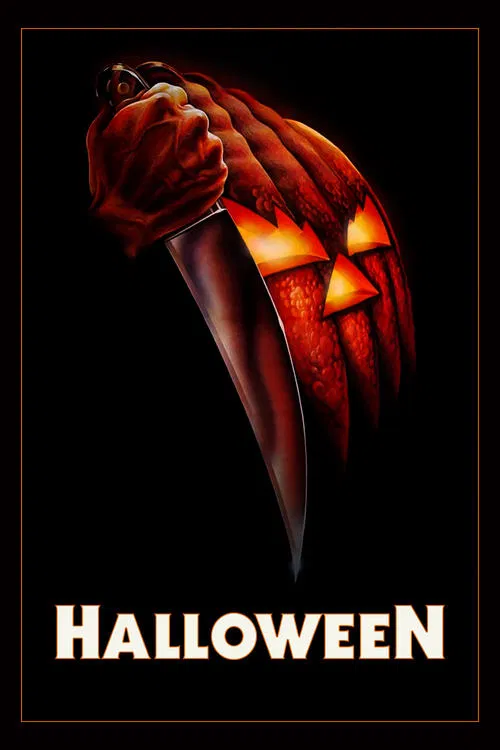
  9. Halloween (1978) poster

    Halloween

    John Carpenter · 1978

    Carpenter wrote the score himself on piano in an odd 5/4 rhythm, which feels slightly off balance. The main theme comes back whenever Michael is near. Soon the music alone tells you he is watching.

    Where to see it: The opening credits. A jack-o'-lantern slowly fills the screen while the piano theme plays for the first time.

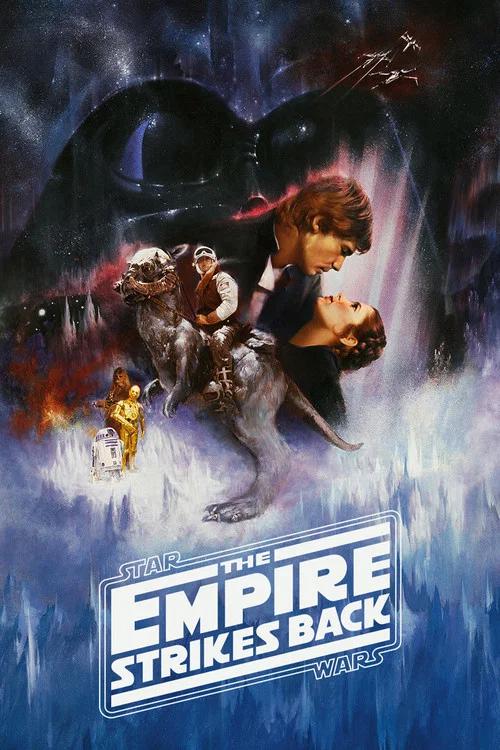
  10. Star Wars: The Empire Strikes Back (1980) poster

    Star Wars: The Empire Strikes Back

    Irvin Kershner · 1980

    John Williams composed The Imperial March for this film, and from its first appearance, it is the sound of Vader's authority. The march arrives ahead of Vader and announces him, so his presence fills a space through sound before he enters it.

    Where to see it: The Imperial fleet's first appearance. The March plays before Vader's first scene.

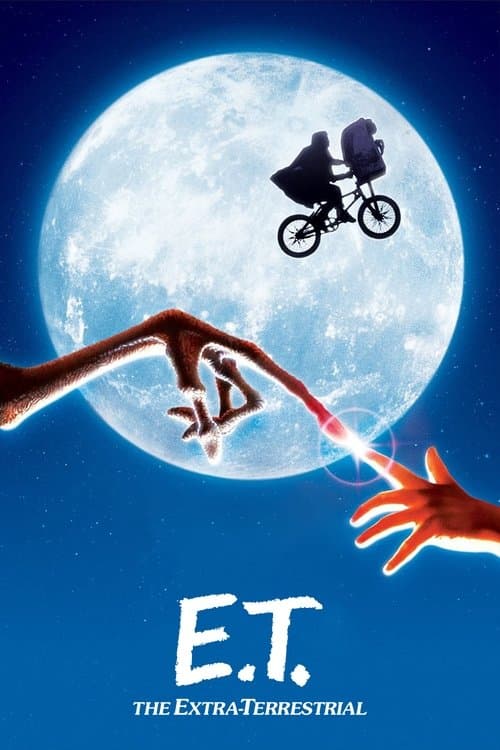
  11. E.T. the Extra-Terrestrial (1982) poster

    E.T. the Extra-Terrestrial

    Steven Spielberg · 1982

    John Williams' main theme is one of cinema's great leitmotifs, which is a tune tied to a character or idea that keeps coming back. You first hear it as wonder. It then develops through danger and plays with the full orchestra during the bicycle chase. When it comes back at the end, it carries the weight of the entire film.

    Where to see it: The bicycle silhouette against the moon. The theme is played in full here. The image and the music fit each other so closely that either one alone would feel incomplete.

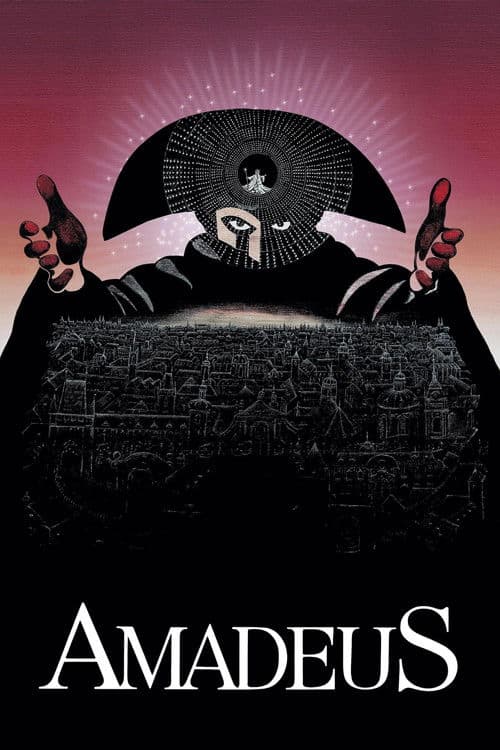
  12. Amadeus (1984) poster

    Amadeus

    Miloš Forman · 1984

    A leitmotif is a piece of music tied to a character. Here, Mozart's own compositions do that job for him, like 'Non più andrai' from The Marriage of Figaro and the Commendatore scene of Don Giovanni. Forman uses the real music to reveal character. Each piece tells you something about Mozart that Salieri's narration can't. You get a second account of the man that goes around the unreliable narrator.

    Where to see it: The performance of Don Giovanni. The music plays as Mozart's self-portrait, and Salieri hears it at the same time as an accusation.

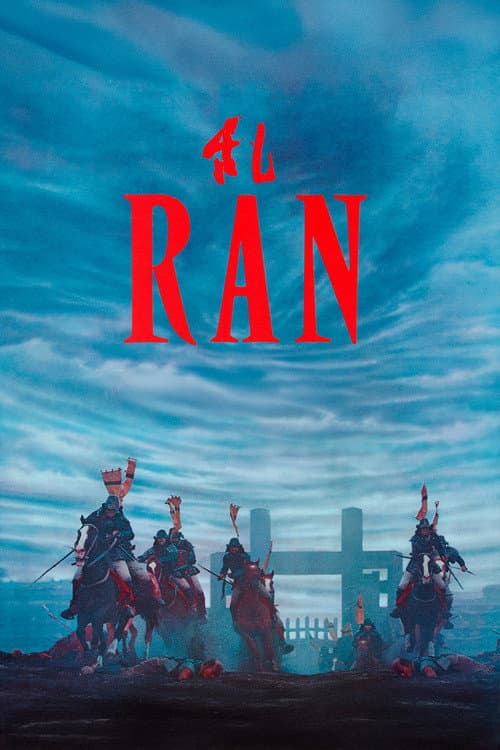
  13. Ran (1985) poster

    Ran

    Akira Kurosawa · 1985

    A leitmotif is a musical theme tied to a character or idea. Toru Takemitsu's Mahler-style score ties a recurring motif of doom to the fall of Hidetora and the House Ichimonji. Flute themes drawn from Noh theatre accompany his madness. The music tracks a mental collapse that the images only partly show.

    Where to see it: Hidetora's mad wandering. The flute themes carry his collapse, and the music falls apart the same way his mind does.

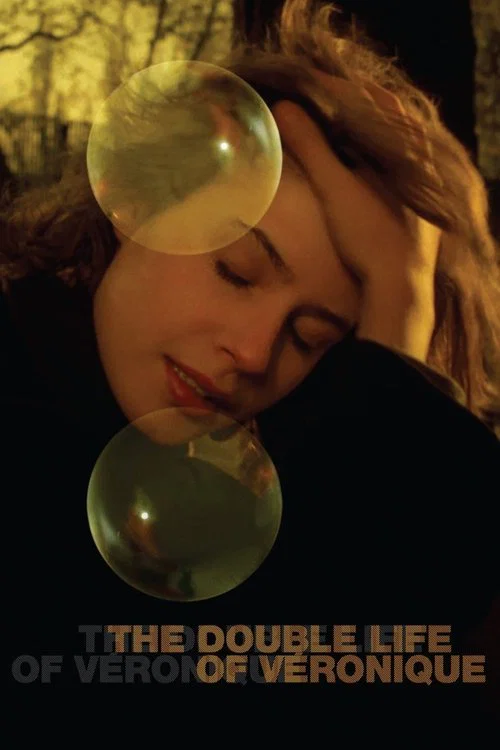
  14. The Double Life of Véronique (1991) poster

    The Double Life of Véronique

    Krzysztof Kieślowski · 1991

    A piece of music by the film's invented 18th-century composer Van den Budenmayer ties the 2 women together. You hear it when Weronika sings, when Véronique teaches and in the clues she follows. The tune becomes a way to know they are linked before anyone says so.

    Where to see it: The marionette show: Véronique leads her students in a piece by Van den Budenmayer. It is the same music Weronika sang right before she died.

  15. Jurassic Park (1993) poster

    Jurassic Park

    Steven Spielberg · 1993

    John Williams' main theme first swells when the group sees a living dinosaur. It gets tied to wonder at the park. When it comes back at the end as the survivors fly away, it carries both the awe and everything that went wrong.

    Where to see it: The Brachiosaurus reveal. Grant takes off his sunglasses in disbelief as the theme builds over the herd by the lake.

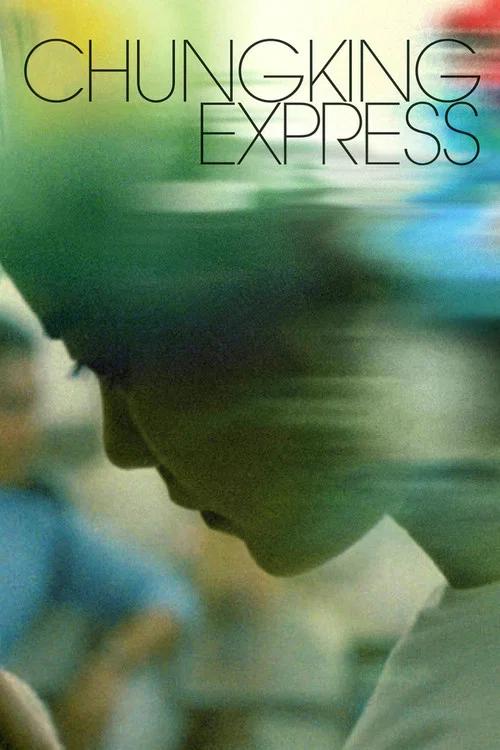
  16. Chungking Express (1994) poster

    Chungking Express

    Wong Kar-wai · 1994

    The Mamas and the Papas song "California Dreamin'" returns again and again in the second story. Faye plays it at the snack bar and again while she cleans the apartment. By the end the song stands for her daydream of leaving.

    Where to see it: The apartment cleaning. Faye plays the song while she secretly tidies Cop 663's home.

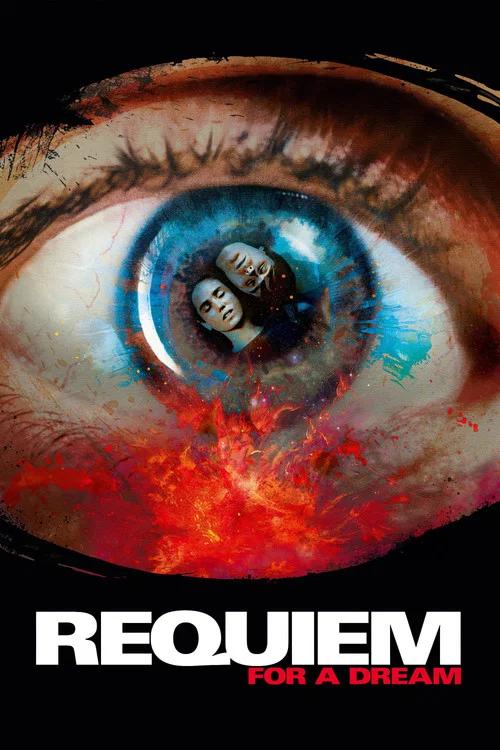
  17. Requiem for a Dream (2000) poster

    Requiem for a Dream

    Darren Aronofsky · 2000

    'Lux Aeterna' by Clint Mansell is the film's leitmotif, and the Kronos Quartet performs the string quartet arrangements. Mansell never brings in a new theme. He only pushes harder on what was already there. The score itself seems addicted to 1 melody.

    Where to see it: The film's climactic montage. All 4 storylines hit their lowest point at the same time, just as the score reaches its most intense.

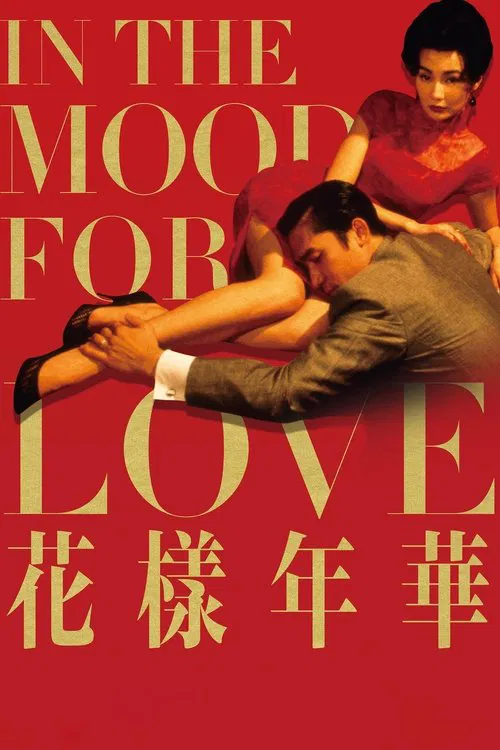
  18. In the Mood for Love (2000) poster

    In the Mood for Love

    Wong Kar-wai · 2000

    Shigeru Umebayashi's 'Yumeji's Theme' is a slow, sad waltz. It plays over slow-motion shots of Mrs. Chan walking down stairs or through corridors. A leitmotif is a piece of music tied to one thing in the story. Each time this one returns, it brings back the feeling of every earlier time, until you can't separate the music from the weight of the relationship.

    Where to see it: The slow-motion stairwell sequences. Mrs. Chan moves through amber light while the theme plays. The repeated image and music add up to the film's emotional case.

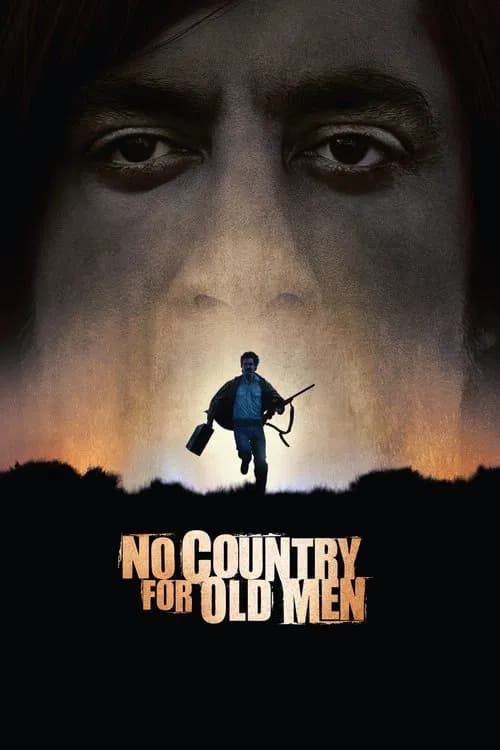
  19. No Country for Old Men (2007) poster

    No Country for Old Men

    Joel Coen, Ethan Coen · 2007

    The captive bolt pistol, a tool made for slaughtering cattle, makes a small click and hiss of air. It sounds like a machine doing its job, nothing like a gun being fired. The sound is tiny compared to what it does. That contrast makes Chigurh's violence feel industrial and inevitable, and beyond right and wrong.

    Where to see it: Chigurh's escape from custody early in the film. He presses the bolt gun to a driver's forehead and takes his car, and the killing is almost silent.

  20. Black Swan (2010) poster

    Black Swan

    Darren Aronofsky · 2010

    Clint Mansell's score keeps changing Tchaikovsky's Swan Lake themes. They sound clean for the White Swan and electronically distorted for the Black Swan, so you can hear Nina splitting apart in the music.

    Where to see it: The Black Swan act. Tchaikovsky's score plays as the sound of Nina's transformation.

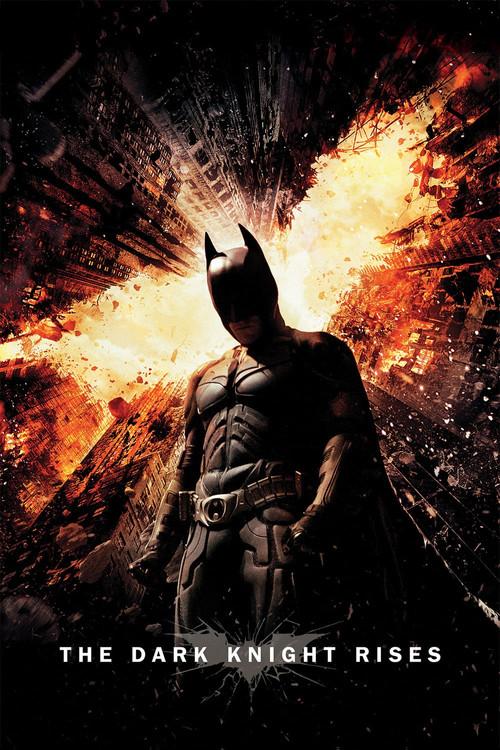
  21. The Dark Knight Rises (2012) poster

    The Dark Knight Rises

    Christopher Nolan · 2012

    A chant runs through the film. Hans Zimmer built it partly from voices people recorded and sent in online. It belongs to Bane, and it also rises from the prisoners whenever someone tries to climb out of the pit. When Bruce makes the climb, the same sound lifts him up.

    Where to see it: Bruce's last climb. He tries the jump without the safety rope, and the prisoners' chant swells as he makes it out.

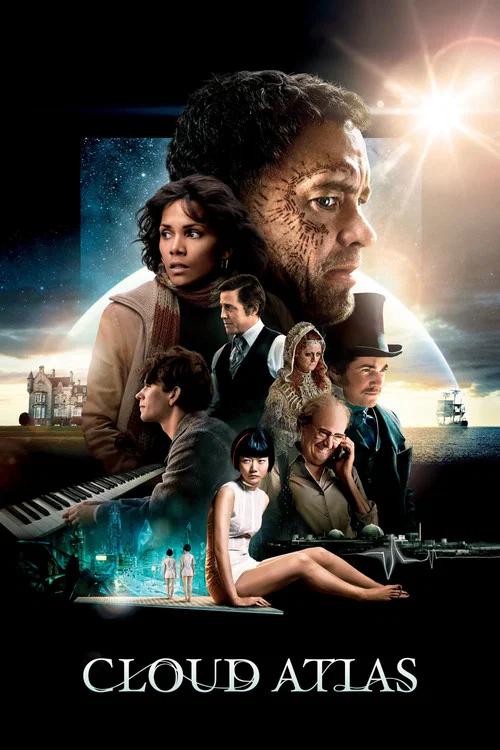
  22. Cloud Atlas (2012) poster

    Cloud Atlas

    Lana Wachowski, Lilly Wachowski, Tom Tykwer · 2012

    Frobisher's Cloud Atlas Sextet is a piece of music that returns across the other eras. When it plays, you link a new character to the composer and to the idea of souls connected through time. Tykwer co-composed the score.

    Where to see it: The Sextet: Frobisher writes the piece in 1936, and Luisa Rey hears it on a record in 1973.

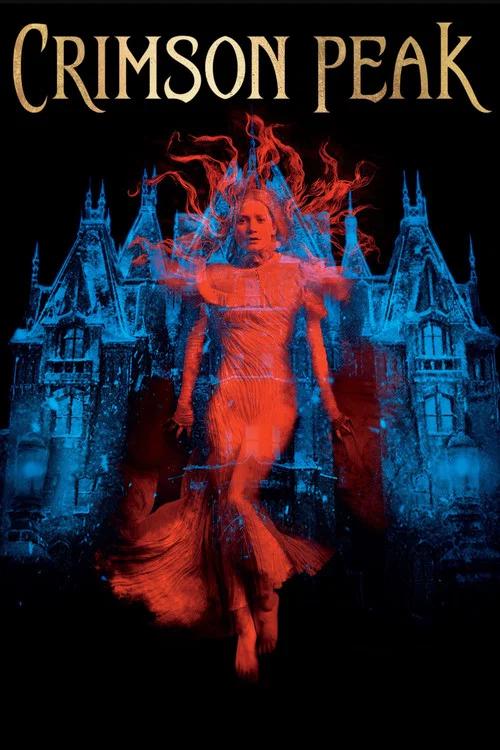
  23. Crimson Peak (2015) poster

    Crimson Peak

    Guillermo del Toro · 2015

    At the end, Lucille becomes the ghost of Allerdale Hall and plays the piano forever. A single instrument stands in for her. You hear her before you think of her.

    Where to see it: The final scene: Lucille becomes the ghost of Allerdale Hall, playing the piano.

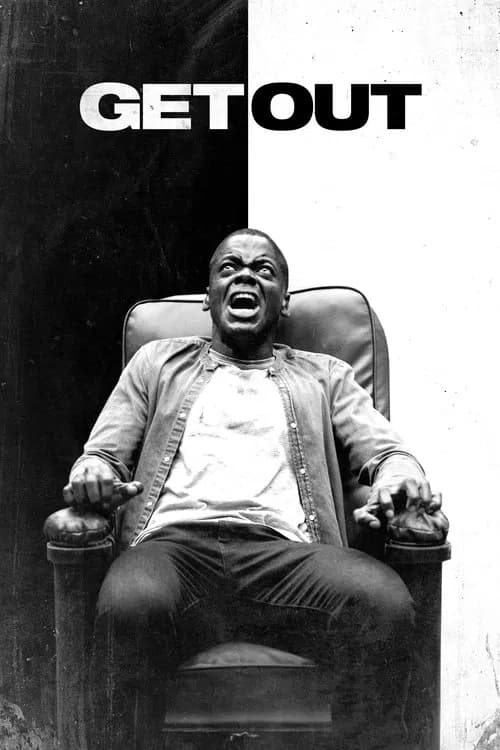
  24. Get Out (2017) poster

    Get Out

    Jordan Peele · 2017

    Michael Abels's score turns the Swahili phrase 'sikiliza kwa wahenga' (listen to the ancestors) into a choral theme that you hear throughout the film. It warns you of danger before Chris is aware of it.

    Where to see it: The opening credits. The theme then comes back in every scene where the threat grows.

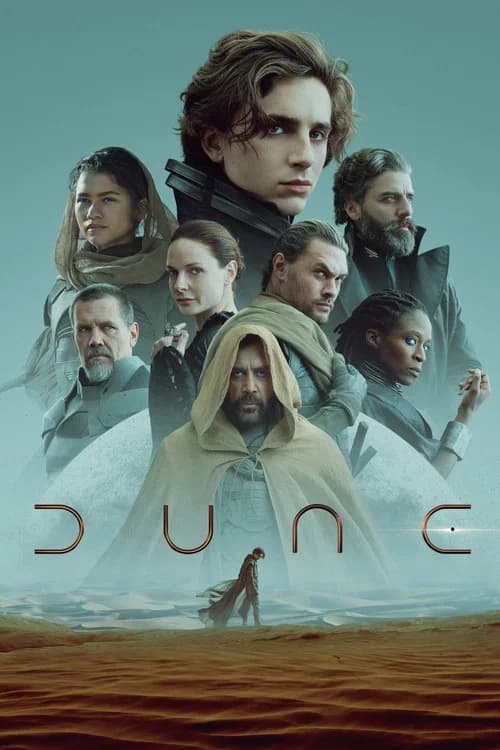
  25. Dune: Part One (2021) poster

    Dune: Part One

    Denis Villeneuve · 2021

    Hans Zimmer gives each faction its own sound through unusual instruments: bagpipes for House Atreides and women's voices for the Bene Gesserit. That is, the score works as a map of the film's politics.

    Where to see it: The Fremen theme coming in as Chani appears in Paul's prophetic visions. The music marks the desert people as the film's true subject before they appear in full.

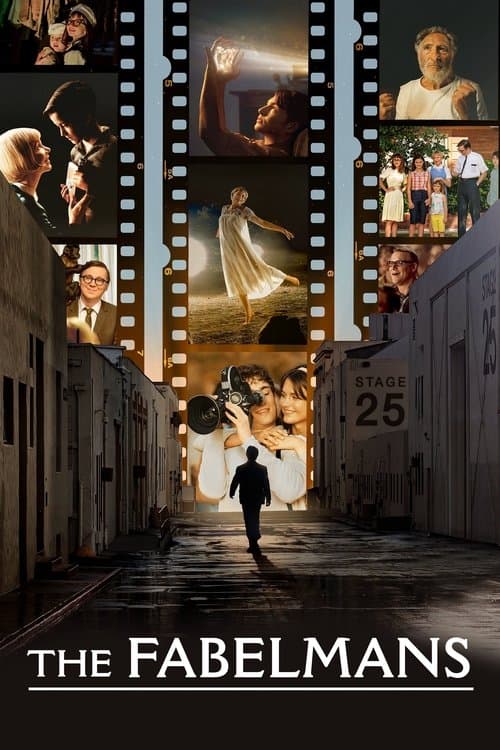
  26. The Fabelmans (2022) poster

    The Fabelmans

    Steven Spielberg · 2022

    A leitmotif is a musical theme tied to a person or a feeling. John Williams's score relies mostly on piano. Mitzi's piano playing stands for artistic passion, and the music carries what the dialogue can't.

    Where to see it: The piano music. It is tied to Mitzi's musical identity. Here, the music carries what the dialogue can't.

  27. Men (2022) poster

    Men

    Alex Garland · 2022

    Harper sings a few notes into an old railway tunnel and listens to the echo stack up into a chord. Composers Geoff Barrow and Ben Salisbury turn that 4-note phrase into the film's main theme. Every time it returns, you're back in that tunnel just before something starts running at her.

    Where to see it: The tunnel in the woods. Harper plays with the echo, then a figure appears at the far end and charges toward her.

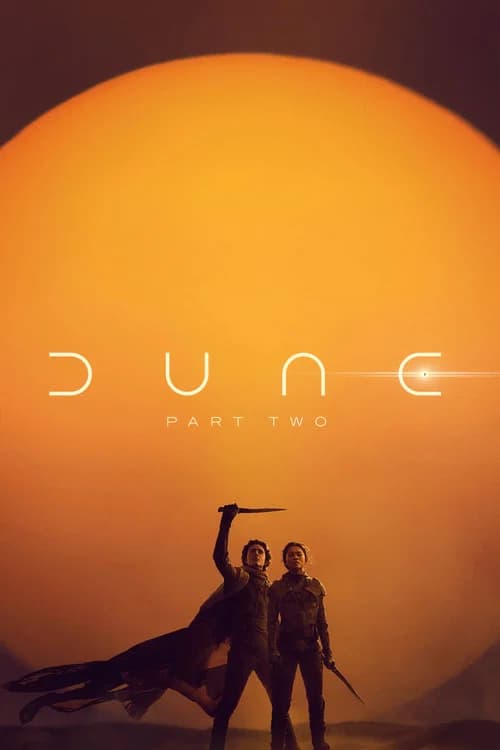
  28. Dune: Part Two (2024) poster

    Dune: Part Two

    Denis Villeneuve · 2024

    Hans Zimmer expands the musical themes he gave the Fremen and the Bene Gesserit in Part One. As Paul's transformation completes, the Fremen's drumming and throat singing swell into something close to war music.

    Where to see it: The Fremen rallying cry, scored with Zimmer's percussion at its full, terrifying scale. The music that sounded mysterious in Part One now turns out to be military.

Questions

Quick answers

What is leitmotif in film?
Repeating a short piece of music or a sound every time a certain character, idea or feeling comes up. You learn to connect the 2.
Which films use leitmotif?
M (1931), The Adventures of Robin Hood (1938), Suspicion (1941), Shadow of a Doubt (1943), Ikiru (1952), La Strada (1954) and 22 more films in the CineCode library.
What kind of technique is leitmotif?
It is a sound technique. Related sound techniques include others listed on the CineCode techniques page.