Brazil
Terry Gilliam · 1985
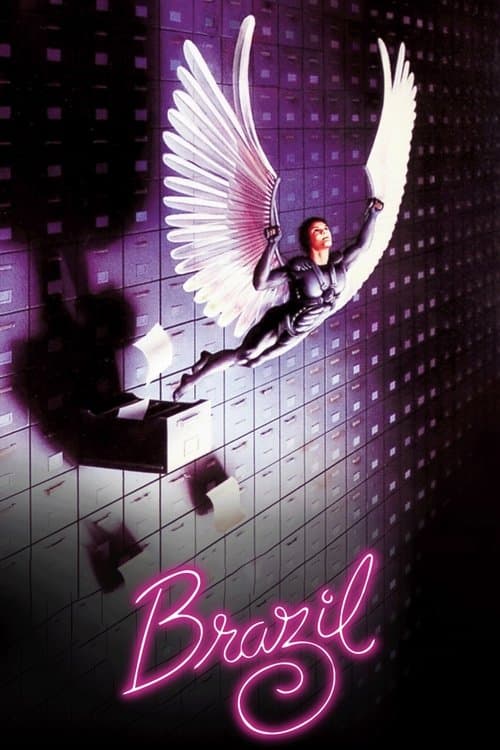
Sam Lowry, a low-level bureaucrat in a retro-futurist totalitarian state, daydreams of being a winged hero while trying to correct a clerical error that has destroyed an innocent man's family. Terry Gilliam's masterpiece uses the administrative absurdism of Kafka against the visual language of Hollywood fantasy to produce the twentieth century's definitive satire of bureaucracy.
Techniques Used
5 techniques identified in this film
Environmental Satire
NarrativeUsing a specific environment as the target of sustained satirical analysis — exposing its logic through exaggeration of what is already implicit within it.
How this film uses it
Gilliam's totalitarian state runs on paperwork, inter-departmental disputes, and form-processing. Its inability to correct a clerical error — and the destruction of anyone who draws attention to it — is a precise satire of bureaucratic self-protection. The system's logic is real; only its scale has been adjusted.
Dream Logic Structure
NarrativeOrganizing narrative progression according to internal emotional or symbolic logic rather than causal plot — events following the way images follow in a dream.
How this film uses it
Sam's fantasy sequences — the winged hero saving a woman from monsters, battles in an endless sky — operate by pure dream logic: surreal, wish-fulfilling, and increasingly corrupted by the real world's intrusions. As the real world tightens around Sam, his dreams become his only refuge and eventually his final destination.
Production Design as Psychological Space
CinematographyUsing a film's sets and design to externalize character psychology — so that inhabited space tells the audience what dialogue cannot.
How this film uses it
The Ministry of Information's omnipresent ductwork — incomprehensible, serviced by competing technicians fighting over jurisdiction — is the film's central argument in physical form: a system that has grown beyond any human intention and now sustains itself through its own inertia, consuming the people who serve it.
Panoptic Space Design
CinematographyDesigning spaces to make surveillance visible as architecture — buildings and interiors constructed so that observation is built into the physical environment.
How this film uses it
Gilliam's Ministry spaces are designed for institutional visibility: open-plan offices where clerks observe each other, monitoring stations, interrogation rooms with specific technological vocabulary. The panoptic design is not overtly oppressive — it is simply the architecture of a world where being watched is the condition of existence.
Tonal Bifurcation
NarrativeSustaining two entirely distinct tonal registers — allowing them to exist in tension without resolving either, so that the collision becomes the film's meaning.
How this film uses it
Brazil sustains absurdist comedy and genuine horror simultaneously — bureaucratic slapstick sharing scenes with torture, consumer vanity sharing space with state murder. Gilliam's tonal control makes the comedy more disturbing and the horror more precise: the system cannot tell the difference between them either.
You Might Also Like
Films that share at least one technique with Brazil
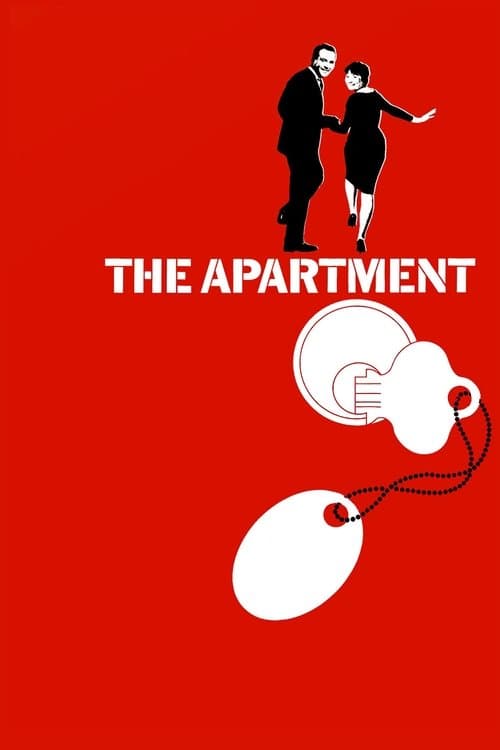
A lonely insurance clerk lends his apartment to his married superiors for their affairs, hoping to advance his career — until his boss's mistress, whom he loves, attempts suicide in his bed. Billy Wilder's masterwork operates simultaneously as a romantic comedy and a film about the loneliness at the center of postwar American ambition.
The Apartment
Billy Wilder · 1960
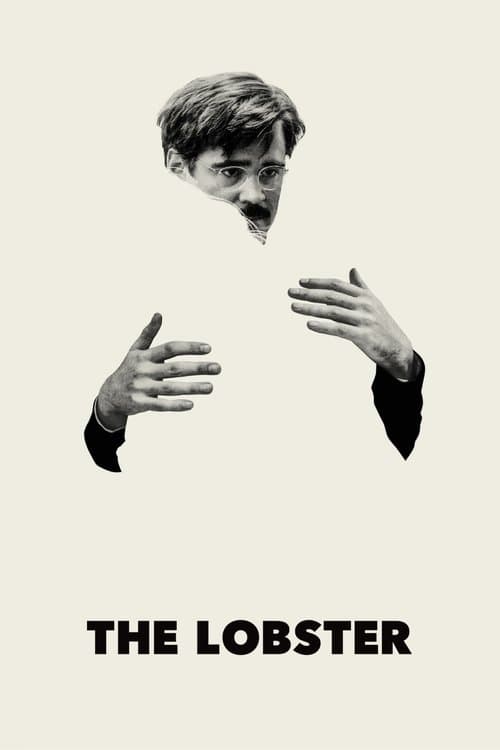
In a near-future society, single people are taken to a hotel where they must find a romantic partner within 45 days or be transformed into an animal of their choosing. Yorgos Lanthimos uses bureaucratic absurdism to examine how society enforces coupling — and what people do to themselves to conform.
The Lobster
Yorgos Lanthimos · 2015
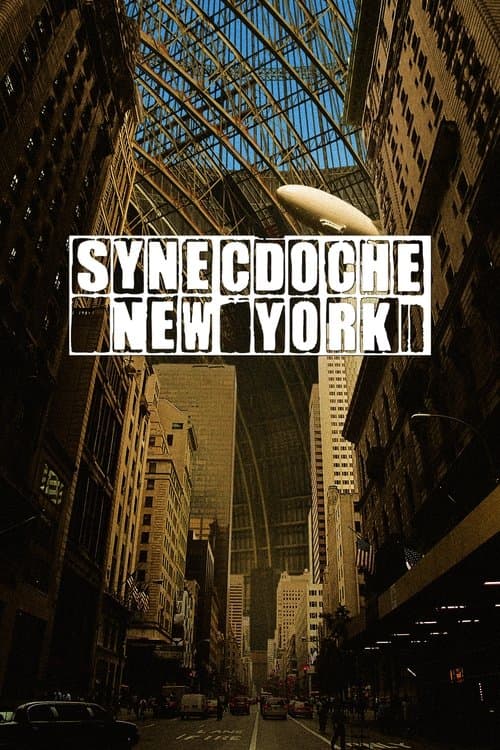
Theatre director Caden Cotard receives a grant and uses it to build, over decades, an ever-expanding theatrical representation of life inside a New York warehouse — a project that consumes his actual life as it attempts to contain it. Charlie Kaufman's directorial debut is the most ambitious film about artistic ambition ever made, and the saddest.
Synecdoche, New York
Charlie Kaufman · 2008