Narrative technique · used in 13 films

Perpetrator Perspective

Telling the story from the side of the person doing the harm, and letting you inside their head. You start to understand them, which is more uncomfortable than simply condemning them.

Examples

13 films that use it

  1. M (1931) poster

    M

    Fritz Lang · 1931

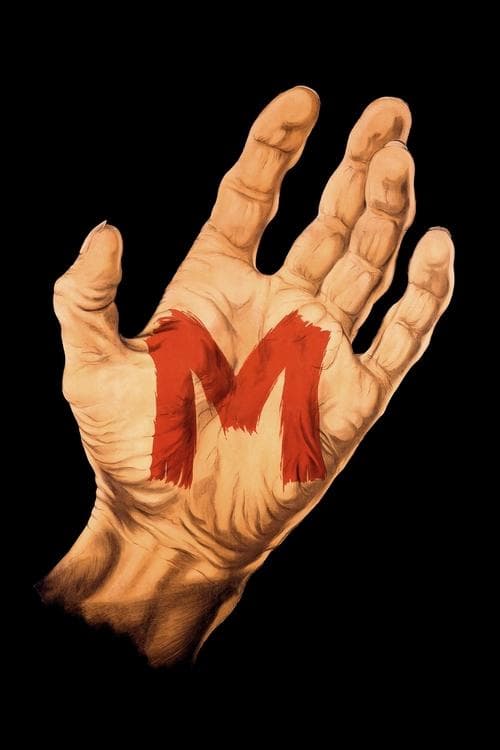
    Lang shows you Beckert from his own point of view. You see his urges, his self-hatred and how he is unable to stop. The trial scene gives him a speech about his suffering, and the film does not dismiss it. Seeing things from the killer's side excuses nothing, but it does complicate things. The film asks whether punishment is justice or just the community giving in to its own urge, a mirror of Beckert's.

    Where to see it: Beckert's defense speech. The murderer explains his urges to his accusers. Once you hear his side, it gets harder to pass moral judgment.
  2. On the Waterfront (1954) poster

    On the Waterfront

    Elia Kazan · 1954

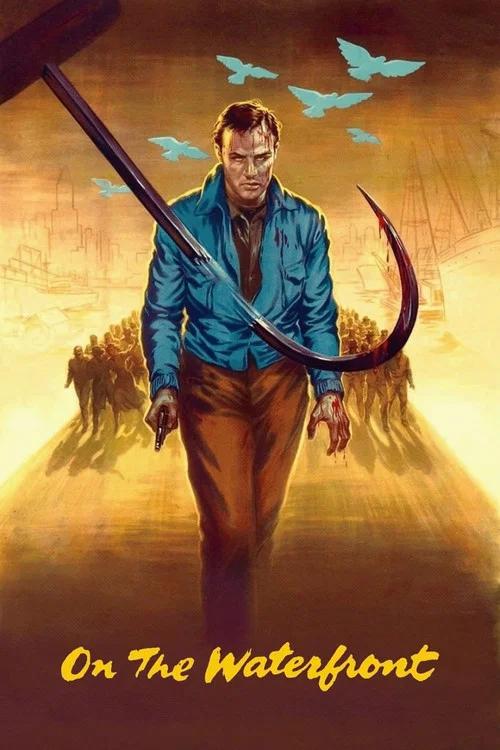
    Terry Malloy lured Joey Doyle up to the roof where he was killed, without knowing he would be. The film follows him with that knowledge in place, so you see Terry's guilt alongside his charm, his self-deception and his eventual courage. Telling the story from the side of someone who took part is what makes his moral change cost something. He is discovering injustice and also confessing to his own part in it.

    Where to see it: Terry's confession to Edie about his role in Joey's death. He tells the victim's sister what he did, and the cost of being honest becomes immediate and personal.

  3. The Battle of Algiers (1966) poster

    The Battle of Algiers

    Gillo Pontecorvo · 1966

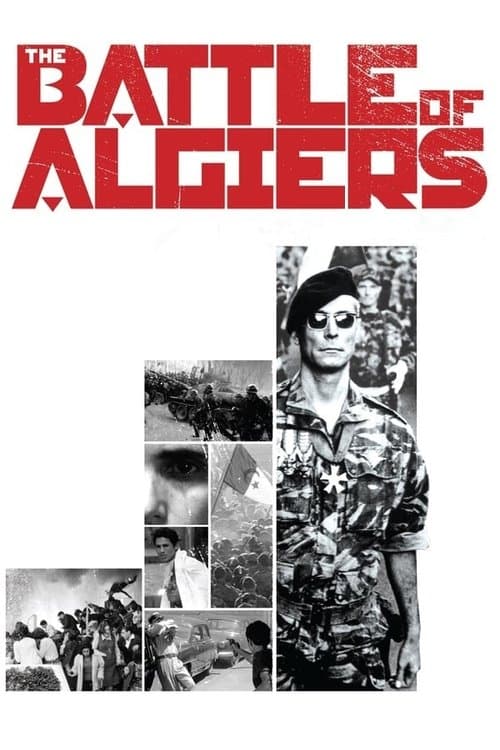
    Pontecorvo gives the FLN bombers and the French paratroopers equal weight in the story. He shows the reasoning behind each side's violence and endorses neither. The film has no heroes and no villains. You see both the resistance and the colonial state from inside their own justifications, so you have to carry both points of view.

    Where to see it: Colonel Mathieu's press conference. Pressed about torture, he answers frankly and ties the army's results to its methods. He asks whether France means to stay in Algeria, and if so, to accept what that takes. This is the colonial state seen from the inside.

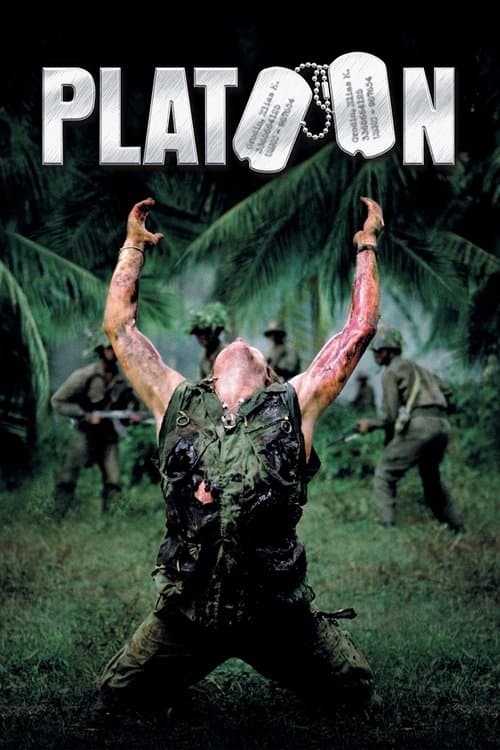
  4. Platoon (1986) poster

    Platoon

    Oliver Stone · 1986

    Stone puts you inside the platoon during the village massacre, the film's version of My Lai. You see the killing from the soldiers' point of view, which makes you feel like part of Barnes' command.

    Where to see it: The village burning sequence. It is shot from inside the mob of soldiers as they destroy homes and harm civilians.

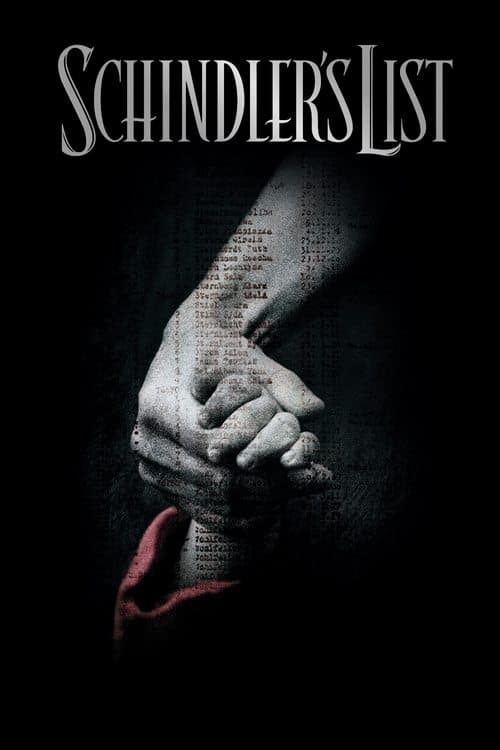
  5. Schindler's List (1993) poster

    Schindler's List

    Steven Spielberg · 1993

    Spielberg starts with Schindler as an opportunist using slave labor. The film argues that his eventual heroism shows you what everyone else chose when they did nothing, and it refuses to treat him as exceptional for it. You're left asking at what point going along with it becomes unbearable.

    Where to see it: Schindler's breakdown at the end of the war. He says 'I could have got more' and 'I didn't do enough'.

  6. Match Point (2005) poster

    Match Point

    Woody Allen · 2005

    You follow Chris from the start, from his job at the tennis club to his marriage and his plan to kill Nola. The film lets you inside his thinking, so you understand how he talks himself into it. That makes it uncomfortable when you find yourself hoping he will get away.

    Where to see it: The murders. Chris takes his father-in-law's shotgun, shoots Mrs. Eastby and then Nola, and stages the scene as a burglary.

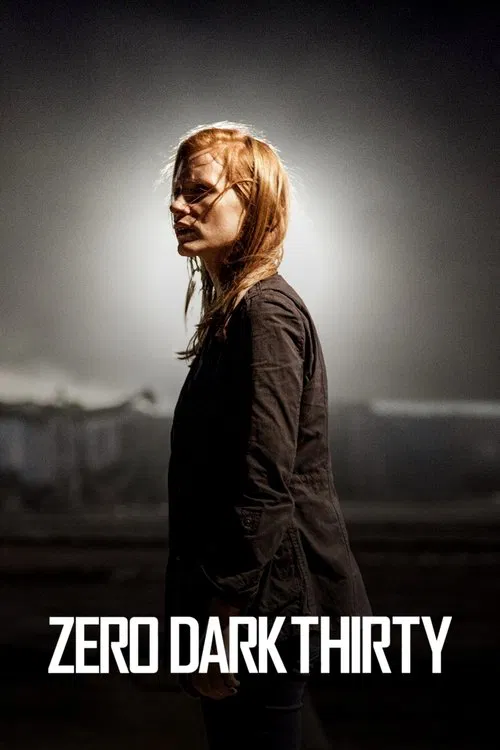
  7. Zero Dark Thirty (2012) poster

    Zero Dark Thirty

    Kathryn Bigelow · 2012

    Bigelow puts you inside the CIA's enhanced interrogation program with no moral commentary. She shows the torture in harsh detail and never tells you what to think. The moral work is left to you.

    Where to see it: The opening black-site sequence. The waterboarding plays with no score and no cutaways. The film never gives you the relief of being told how to feel.

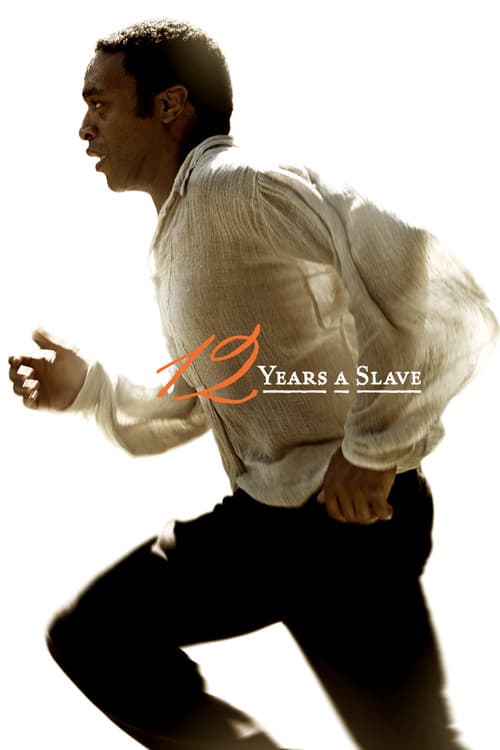
  8. 12 Years a Slave (2013) poster

    12 Years a Slave

    Steve McQueen · 2013

    Solomon is forced to whip Patsey on Epps' command. He becomes the tool of a violence he opposes. He does it reluctantly, and then Epps takes the whip and beats Patsey nearly to death. McQueen makes Solomon's forced part in it the film's most devastating scene. The system works so that nobody gets to stay neutral.

    Where to see it: Solomon's forced whipping of Patsey. Here, the film puts you with the person doing the violence in the most exact way it can. The victim is made the tool, and you see how the slave system works through Solomon's impossible position.

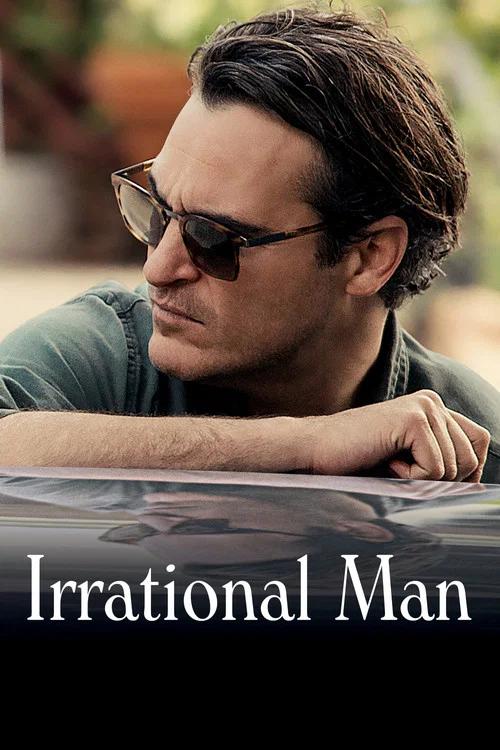
  9. Irrational Man (2015) poster

    Irrational Man

    Woody Allen · 2015

    You see the murder through Abe's eyes. He follows the judge, learns his habits and decides on poison. His plan is calm and careful, and the film lets you see his reasoning before the act. When he feels reborn afterward, you are inside a mind that has talked itself into it.

    Where to see it: The poisoning. Abe swaps his cup of juice for the judge's on a bench in the park while the judge reads the paper.

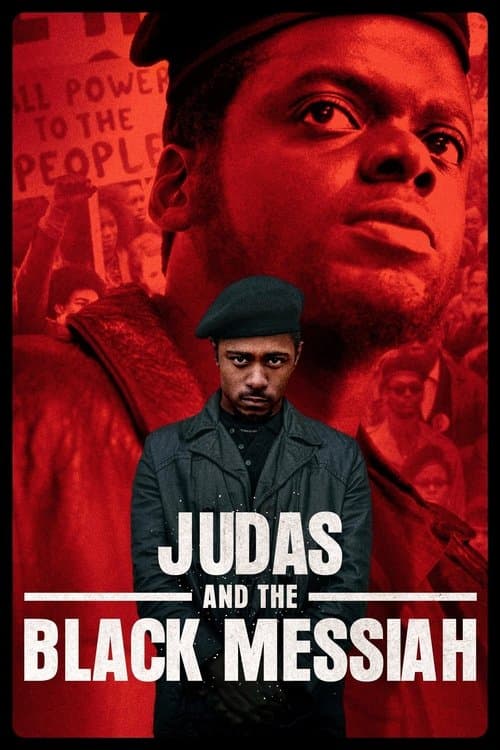
  10. Judas and the Black Messiah (2021) poster

    Judas and the Black Messiah

    Shaka King · 2021

    This is O'Neal's story, and you see Hampton from inside it. The film puts you in the conscience of a man who knows what he is doing to Hampton and does it anyway. Its central moral question becomes what you make yourself part of in order to survive.

    Where to see it: O'Neal providing the floor plan of Hampton's apartment. The camera stays on his face as he hands over the document that will make the raid possible. The film refuses to look away from that moment.

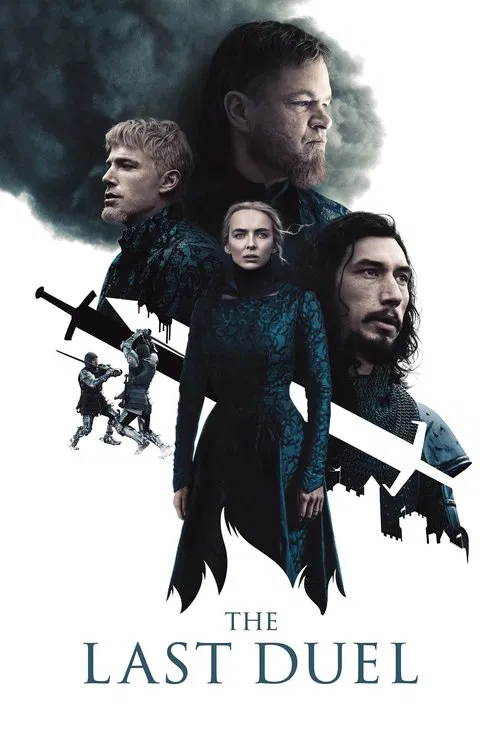
  11. The Last Duel (2021) poster

    The Last Duel

    Ridley Scott · 2021

    The Le Gris chapter lets you inside the head of the man who commits the crime. He truly believes Marguerite wanted him. Seeing his self-deception from the inside is more unsettling than a simple villain would be.

    Where to see it: The Le Gris chapter: Le Gris's version shows his charm with Marguerite and his belief that his advances were welcome.

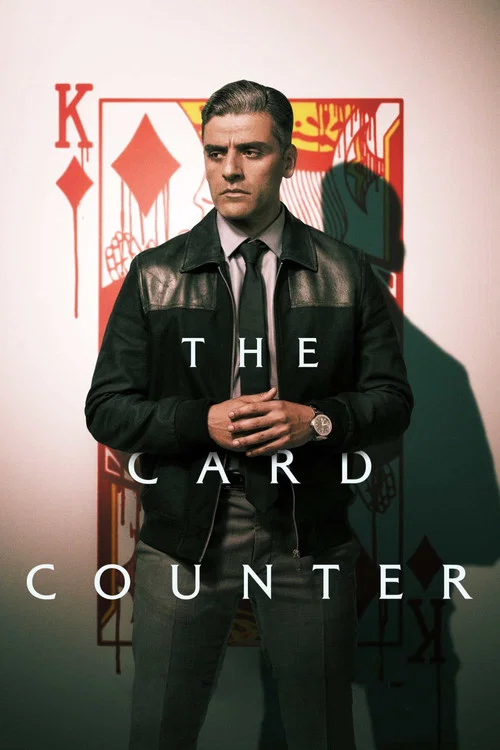
  12. The Card Counter (2021) poster

    The Card Counter

    Paul Schrader · 2021

    The story follows the man who did the harm. You spend the whole film inside Tell's head, and it is uncomfortable to understand him. The film refuses to let you simply condemn him or forgive him.

    Where to see it: Atlantic City: Cirk recognizes Tell as William Tillich, a convicted Abu Ghraib guard.

  13. Killers of the Flower Moon (2023) poster

    Killers of the Flower Moon

    Martin Scorsese · 2023

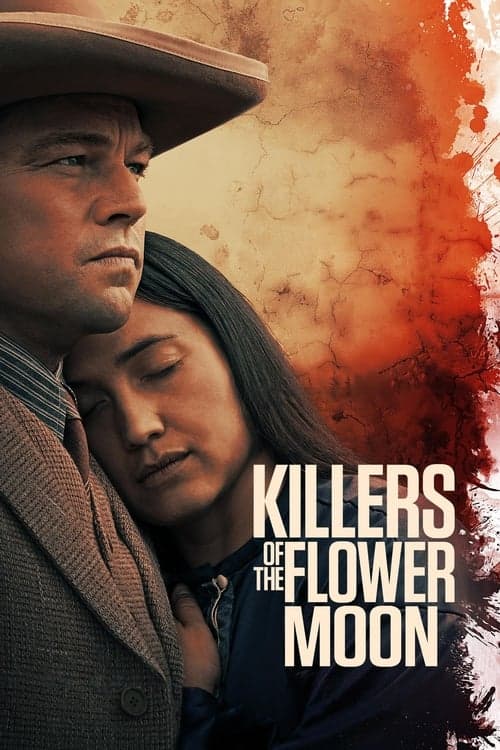
    Scorsese deliberately puts Ernest at the center, ahead of the Osage victims. You have to sit inside a man who is too weak and too greedy to stop taking part in the murder of his own family.

    Where to see it: Ernest giving insulin overdoses to his wife Mollie while claiming to care for her. The intimacy of poisoning someone at home is shot up close. You don't get the relief of a villain kept at a distance.

Questions

Quick answers

What is perpetrator perspective in film?
Telling the story from the side of the person doing the harm, and letting you inside their head. You start to understand them, which is more uncomfortable than simply condemning them.
Which films use perpetrator perspective?
M (1931), On the Waterfront (1954), The Battle of Algiers (1966), Platoon (1986), Schindler's List (1993), Match Point (2005) and 7 more films in the CineCode library.
What kind of technique is perpetrator perspective?
It is a narrative technique. Related narrative techniques include False Kinship Exploitation, Community as Tribunal.