Comparison · 3 shared techniques

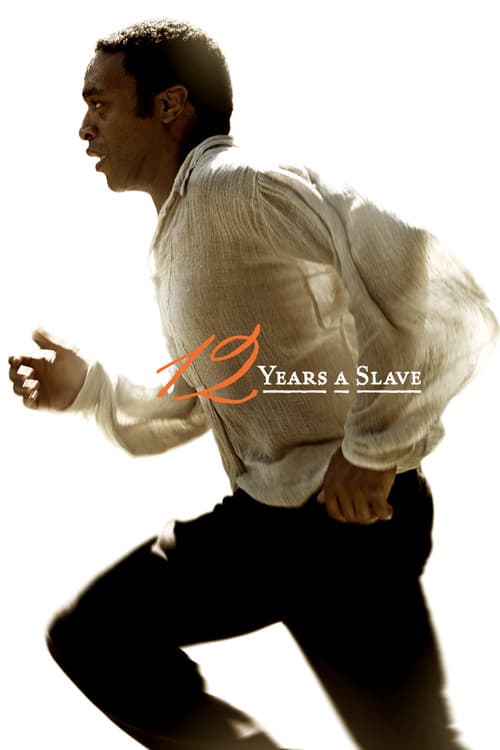
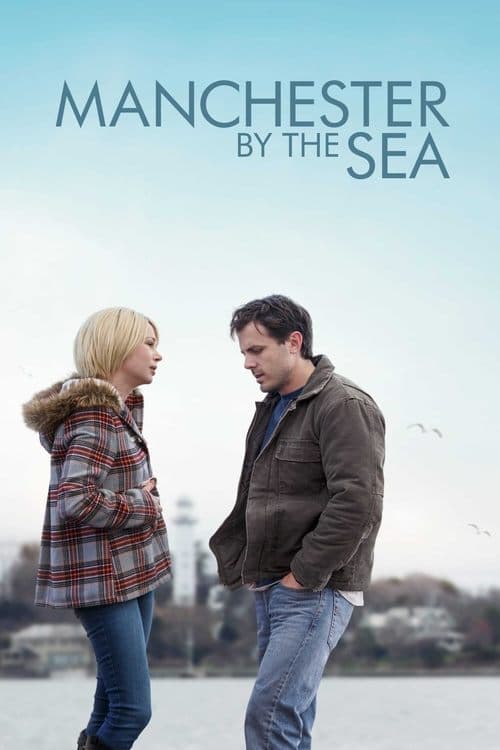
12 Years a Slave vs Manchester by the Sea

12 Years a Slave (2013) and Manchester by the Sea (2016) share 3 techniques. Here is how each film uses them.

Shared

Same technique, two films

Strategic Silence

Removing music, background sound or dialogue from a moment where most films would fill it. The quiet forces you to sit with what is on screen.

12 Years a Slave

A conventional historical drama would use music to guide how you feel. In those sequences, McQueen takes Hans Zimmer's score out. You have to sit with the suffering with no soundtrack standing between you and it. The silence puts you in the scene and takes away the protection that movie convention usually gives you.

Manchester by the Sea

The film drops its score at key emotional peaks. You are left in silence with Lee, who can't process what has happened.

Observational Restraint

Watching events from a measured distance with no swelling music, tear-jerking close-ups or showy camera moves. The film trusts what happens to carry the weight on its own.

12 Years a Slave

McQueen's camera does not look away during the film's harshest sequences. It holds, without cutting, on suffering that Hollywood convention would usually cut short. Refusing to cut is a deliberate stance. Editing would be a kind of mercy, and the film withholds it on purpose.

Manchester by the Sea

The film gives you no catharsis, meaning no emotional release. Lee is not healed, and Lonergan never comments on his inability to recover. You are left to sit with the discomfort of grief that stays unresolved.

Handheld Cinema Vérité

Shooting with a handheld camera so the frame shakes and moves with the action. This documentary-style look, called cinema vérité, puts you uncomfortably close to the character.

12 Years a Slave

McQueen and cinematographer Sean Bobbitt shot on 35 mm film with widescreen anamorphic lenses and kept the camera very close to Solomon's body. A documentary would observe from a safe distance. This camera is close enough to pick up what he goes through physically. The closeness makes its own point. What this body goes through is fact and should not be filed away as history.

Manchester by the Sea

Jody Lee Lipes shoots the film with an understated, naturalistic camera that stays close to characters in cramped spaces. It feels fairly close to eavesdropping on real lives.

Different

Where they split

Only in Manchester by the Sea