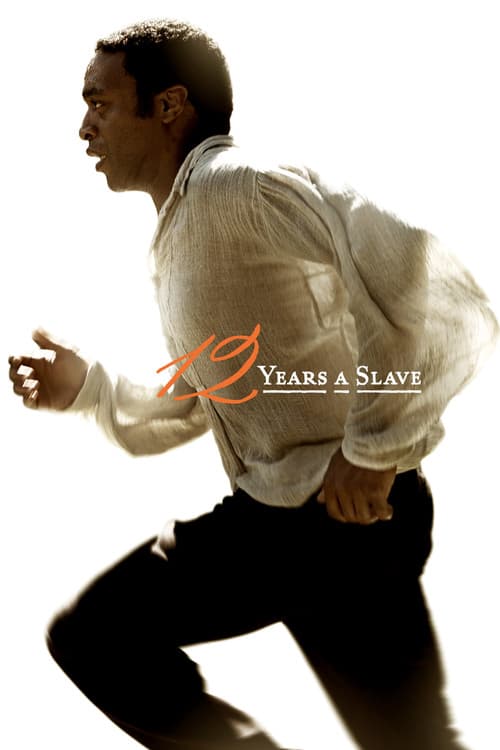
12 Years a Slave
Steve McQueen · 2013
Solomon Northup, a free Black man from New York, is kidnapped and sold into slavery in Louisiana, where he spends twelve years surviving the systematic brutality of the antebellum South before being rescued. Steve McQueen's film refuses every convention of historical suffering — it looks without flinching and does not offer the comfort of resolution.
Techniques Used
5 techniques identified in this film
Off-Screen Atrocity
NarrativeA narrative centered on violence or suffering that is sometimes kept off screen — making the audience's imagination a collaborator in horror, the withheld image potentially more disturbing than anything that could be shown.
How this film uses it
McQueen deploys off-screen space strategically: some violence is shown in full, and some is withheld — the film's selection of what to show and what to withhold is itself a moral argument about what the audience can and cannot afford to look away from. The withheld moments are as carefully chosen as the shown ones.
Strategic Silence
SoundThe deliberate removal of ambient sound, dialogue, or score from sequences where conventional filmmaking would fill the space — using silence as an active expressive choice rather than an absence.
How this film uses it
McQueen removes Hans Zimmer's score from sequences where conventional historical drama would use music to guide emotional response, forcing the audience to sit with suffering without the mediation of soundtrack. The silence makes the audience present in the scene rather than protected by cinematic convention.
Observational Restraint
CinematographyKeeping the camera at a distance that implicates the viewer as witness rather than participant — refusing the editing patterns that would conventionally offer relief from sustained suffering.
How this film uses it
McQueen's camera does not look away during the film's most severe sequences — it holds, without cutting, on suffering that Hollywood convention would typically abbreviate. The refusal to cut is a formal position: editing would be a form of mercy the film deliberately withholds.
Perpetrator Perspective
NarrativeForcing a protagonist to participate in or witness the system's violence — making complicity a structural theme rather than a moral accusation directed at any individual character.
How this film uses it
Solomon is forced to whip Patsey on Epps' command, becoming the instrument of a violence he opposes, as the only way to limit the greater violence Epps would otherwise inflict himself. McQueen makes Solomon's complicity the film's most devastating scene: the system's logic is that it leaves no neutral position.
Handheld Documentary Texture
CinematographyUsing handheld camera movement to create physical immediacy — the camera's instability communicating the body's presence in a scene and granting documentary-like authenticity to staged events.
How this film uses it
McQueen and cinematographer Sean Bobbitt use intimate camera proximity to Solomon's body throughout — the camera close enough to register his physical experience rather than observe it from a safe documentary distance. The closeness is itself an argument: this body's experience is not history but fact.
You Might Also Like
Films that share at least one technique with 12 Years a Slave
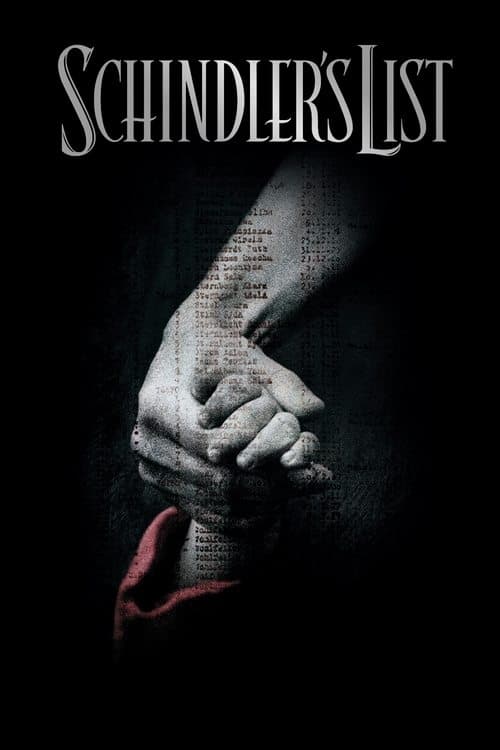
A German industrialist uses Jewish slave labor to run his factory during the Holocaust, then risks everything to save as many lives as possible. Shot in near-total black and white, the film is cinema's most sustained act of bearing witness to atrocity.
Schindler's List
Steven Spielberg · 1993
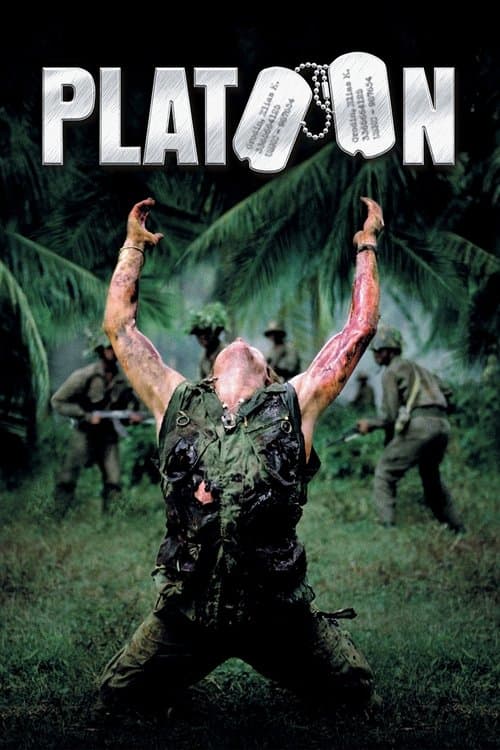
A young college dropout volunteers for Vietnam and finds himself caught between two sergeants — one brutal and one principled — as his illusions about war dissolve. Oliver Stone's autobiographical combat film is the defining American moral reckoning with Vietnam.
Platoon
Oliver Stone · 1986
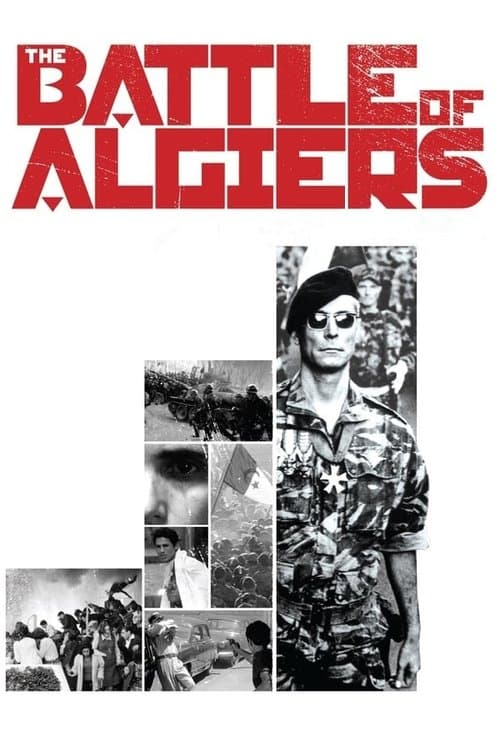
The Algerian National Liberation Front wages an urban guerrilla campaign against French colonial rule in 1950s Algiers, documented with the impartiality of a film that refuses to assign guilt to either side of a colonial war. Pontecorvo's film was so realistic it had to include a disclaimer that no newsreel footage was used.
The Battle of Algiers
Gillo Pontecorvo · 1966