Comparison · 3 shared techniques

A Fistful of Dollars vs The Good, the Bad and the Ugly

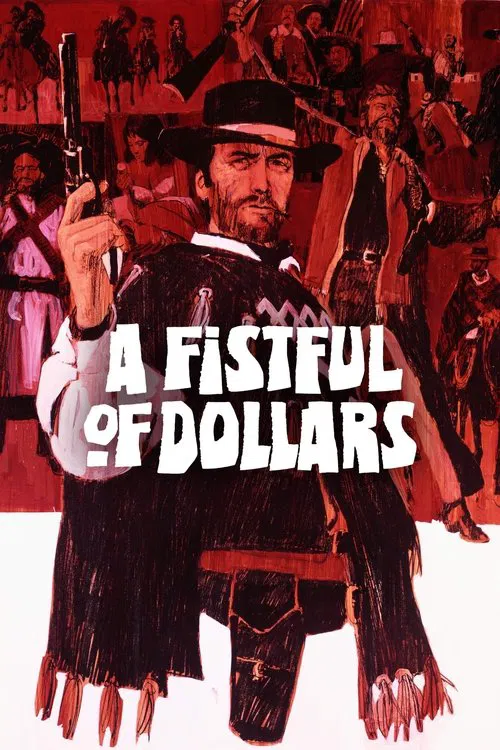
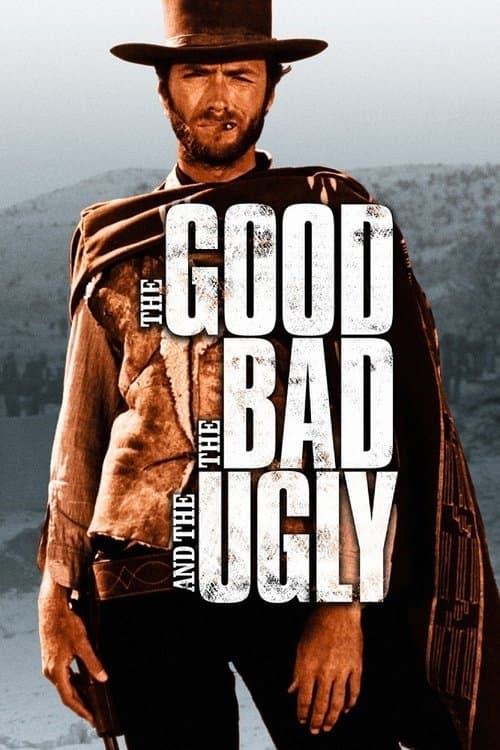
A Fistful of Dollars (1964) and The Good, the Bad and the Ugly (1966) share 3 techniques. Here is how each film uses them.

Shared

Same technique, two films

Triangulated Moral Ambiguity

Spreading good and bad qualities across 3 or more characters, where most stories use 2 sides. Nobody is purely the hero or the villain, so you can't easily pick who to root for.

A Fistful of Dollars

The Rojos and the Baxters are both smugglers, and the Stranger works both sides for money. Then he risks his life to free Marisol, a woman the Rojos are holding. Nobody is purely good, and you cannot easily pick a side.

The Good, the Bad and the Ugly

The 'Good', 'Bad' and 'Ugly' labels are deliberately ironic. Blondie (the Good) is a mercenary who leaves Tuco to die in the desert. Angel Eyes (the Bad) is methodical and professional. Tuco (the Ugly) is the character whose feelings are easiest to read. With the 3 of them set up like this, you never get to feel morally comfortable.

Ennio Morricone Structural Score

Treating the score as part of the film's structure, sometimes writing it before the shoot and playing it on set. The acting, camera and editing are then shaped around the music.

A Fistful of Dollars

Morricone has said some of the music was written before the film, which was unusual. The pacing and the long silences of the film are shaped by it, and it gives the Western its own sound.

The Good, the Bad and the Ugly

Morricone composed the film's themes before shooting, and Leone played the music on set so the actors and the camera could respond to it. Image and score line up almost eerily, to the point that the music seems to be creating the film.

Extreme Close-Up Standoff

Filming a confrontation in extreme close-ups of faces, eyes and hands, often cutting between them. The tight framing builds tension before anything happens and makes the fight a mental one.

A Fistful of Dollars

The final duel is built on faces and eyes, a look Leone would push further in later films. The Stranger keeps standing as Ramon's shots hit him, and the waiting does the work that a fast draw usually does.

The Good, the Bad and the Ugly

Leone and cinematographer Tonino Delli Colli break the final 3-way standoff into a run of extreme close-ups (eyes narrowing, hands hovering, sweat forming). They cut between them faster and faster before the draw. Watching the wait in that much detail is more suspenseful than the shooting itself.

Different

Where they split