Cinematography technique · used in 14 films

Anamorphic Scope Composition

Using the full width of a very wide 2.35:1 frame to set small human figures against huge, empty landscapes. All that empty space makes the characters look isolated and insignificant.

Examples

14 films that use it

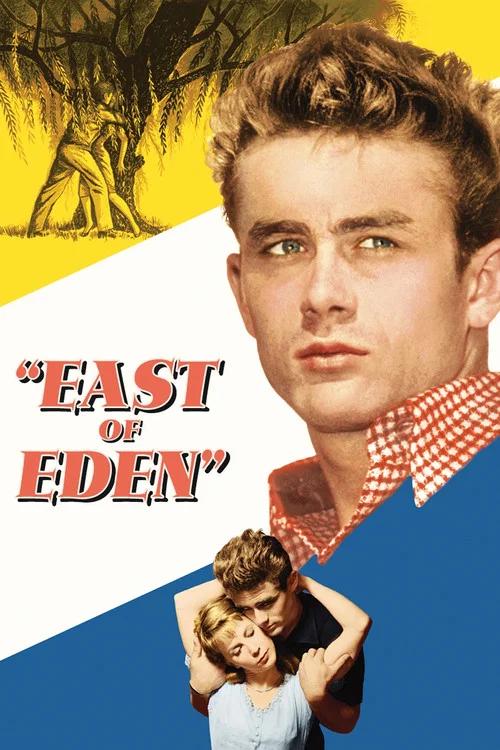
  1. East of Eden (1955) poster

    East of Eden

    Elia Kazan · 1955

    The film was released in CinemaScope, a very wide format, and one New York Times review praised Kazan's use of it and color to capture the Salinas farmland. The wide frame holds both the sunny fields and the cramped family drama. The setting looks open while the characters feel trapped.

    Where to see it: Salinas Valley fields: the film uses wide shots of green farmland in sunshine, sharply in focus to the horizon, set against the strain between the characters.
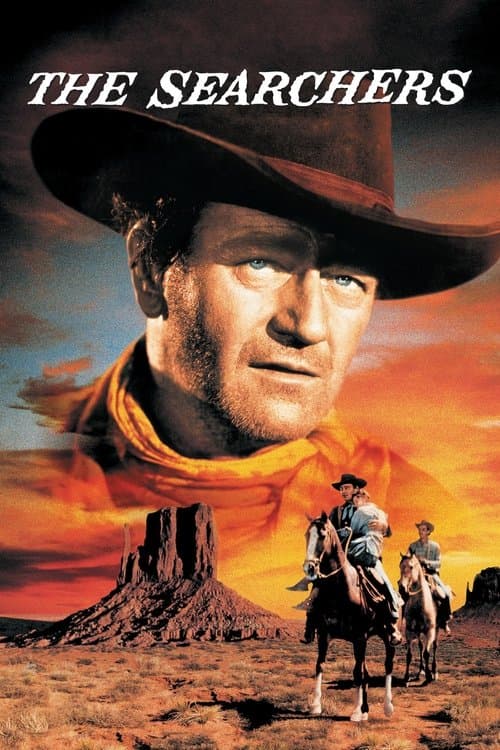
  2. The Searchers (1956) poster

    The Searchers

    John Ford · 1956

    Winton Hoch shoots in VistaVision, which runs 35mm film sideways through the camera for a bigger negative. It uses no anamorphic lenses. It makes Monument Valley look as big as a myth, and it keeps John Wayne's face, weathered and full of hatred, in sharp focus. The wide frame holds both the landscape and the man who can't make peace with it.

    Where to see it: The cavalry shots across the valley floor. The frame is wide enough to fit both the riders and the mesas behind them. The people look tiny against the landscape of American myth.

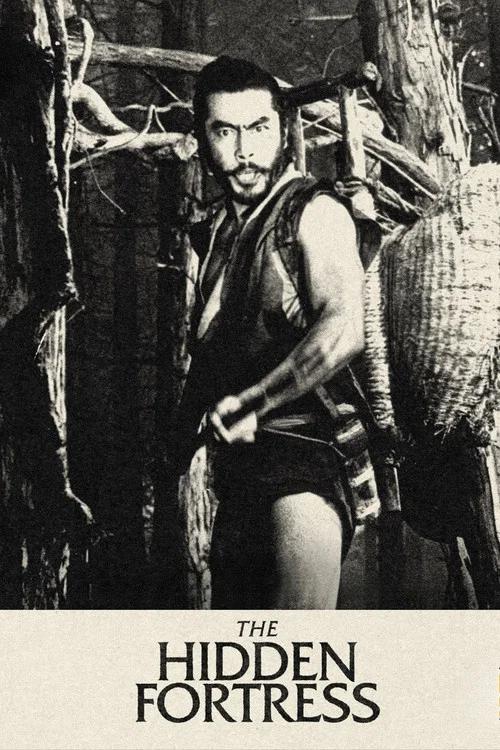
  3. The Hidden Fortress (1958) poster

    The Hidden Fortress

    Akira Kurosawa · 1958

    This was Kurosawa's first film in Tohoscope, a very wide format. He fills the frame with empty hills and long horizons and puts his tiny characters at the bottom. The peasants look as lost in the land as they are in the war.

    Where to see it: The opening. Tahei and Matashichi trudge across a bare landscape, arguing and blaming each other, and the wide frame makes them look pathetic and small.

  4. The Good, the Bad and the Ugly (1966) poster

    The Good, the Bad and the Ugly

    Sergio Leone · 1966

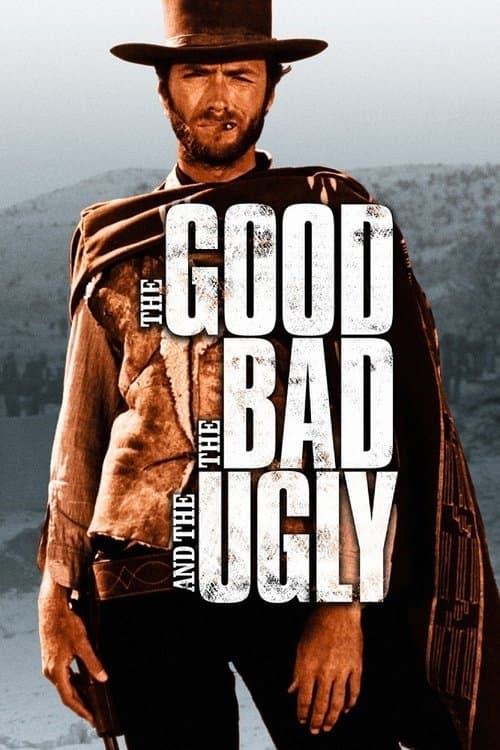
    Leone keeps placing his 3 main characters as small figures in enormous landscapes, then cuts to faces in extreme close-up within the same sequence. Swinging between huge scale and intimacy like that is only possible in widescreen. It is the basic way the film shows you things.

    Where to see it: The approach to Sad Hill Cemetery. 3 figures move through a vast Spanish landscape toward their final confrontation.

  5. The Conformist (1970) poster

    The Conformist

    Bernardo Bertolucci · 1970

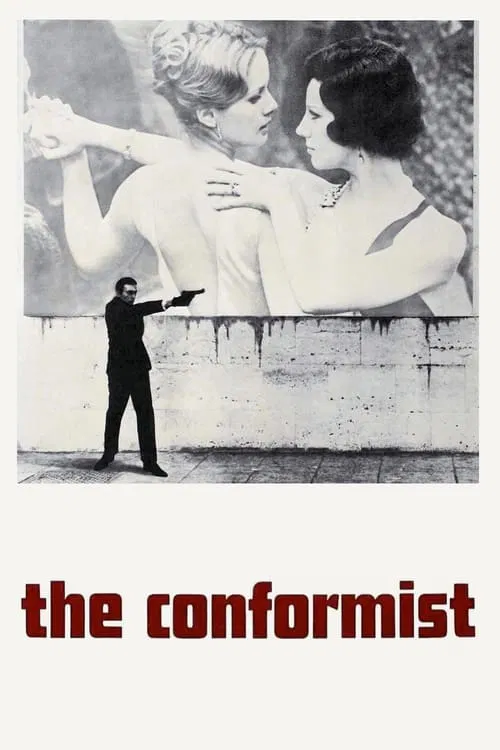
    Storaro and Bertolucci use the wide frame to put Marcello at the edge of spaces that are too large for him, with fascist architecture dwarfing the individual. Once again, the picture makes the point: to conform, you have to erase yourself.

    Where to see it: The Italian Ministry sequence. Marcello is framed in one corner of a vast marble hall. The empty space between him and power measures how much he has compromised.

  6. Manhattan (1979) poster

    Manhattan

    Woody Allen · 1979

    Willis shoots in 2.35:1 anamorphic scope, a very wide frame that is unusual for a talky comedy. It makes Manhattan look as big as a David Lean epic. Meanwhile, the characters have the kind of neurotic conversations that call for a cramped close-up. As a matter of fact, that mismatch between format and subject is the joke the film is built on.

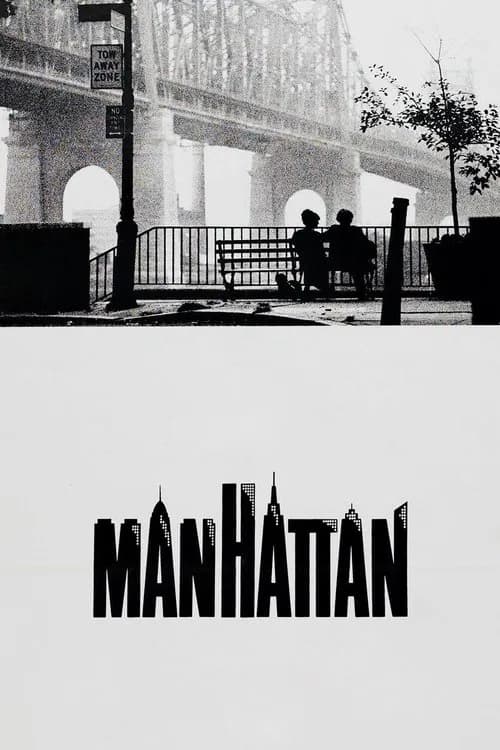
    Where to see it: Isaac and Mary on the bench at dawn. The wide frame holds both the tiny couple and the vast Queensboro Bridge behind them. The scale tells you what the city means to Isaac, and the film will go on to complicate that.

  7. Ran (1985) poster

    Ran

    Akira Kurosawa · 1985

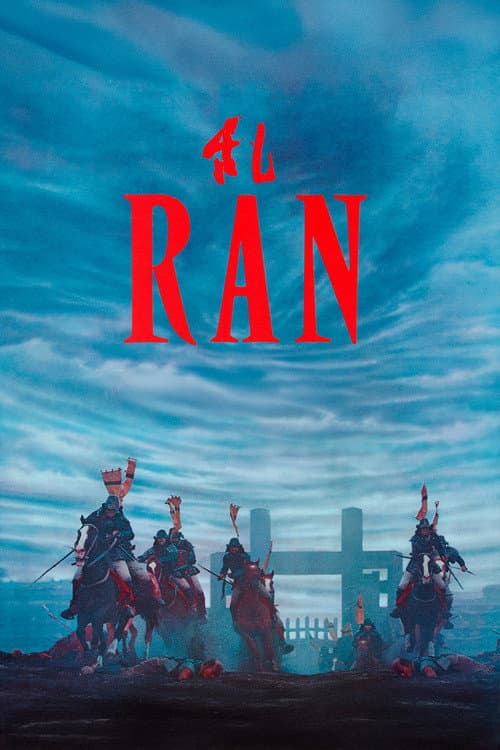
    Kurosawa and cinematographer Asakazu Nakai use the 1.85:1 frame to keep making Hidetora look tiny inside the landscapes he once commanded. The wider the shot, the smaller the man. The film shows his fall through how little space he takes up on screen.

    Where to see it: Hidetora wandering the burned plain. The widescreen frame shrinks him to a small figure in an indifferent world he destroyed.

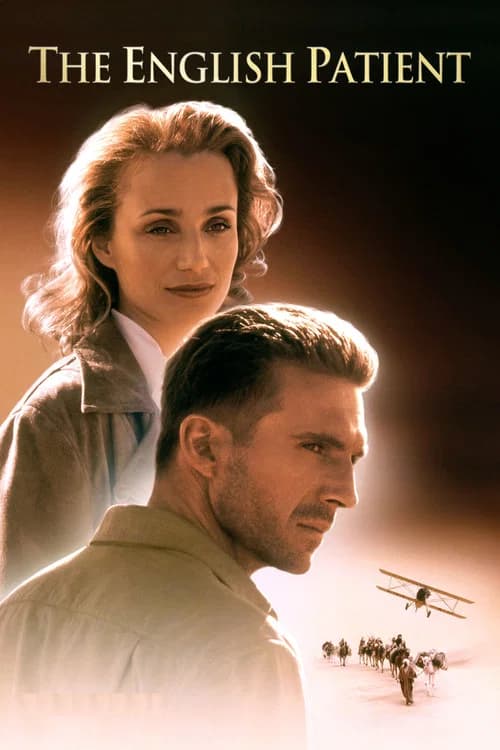
  8. The English Patient (1996) poster

    The English Patient

    Anthony Minghella · 1996

    John Seale shot the film with spherical lenses in a 1.85:1 frame, which is narrower than anamorphic widescreen. He still gives the desert sequences the scale of a David Lean epic. The love scenes use the same frame and feel much more intimate. The format ends up holding both the vast and the tender.

    Where to see it: The desert sequences, where the curves of the sand dunes look like the curves of a body. The framing makes the landscape erotic.

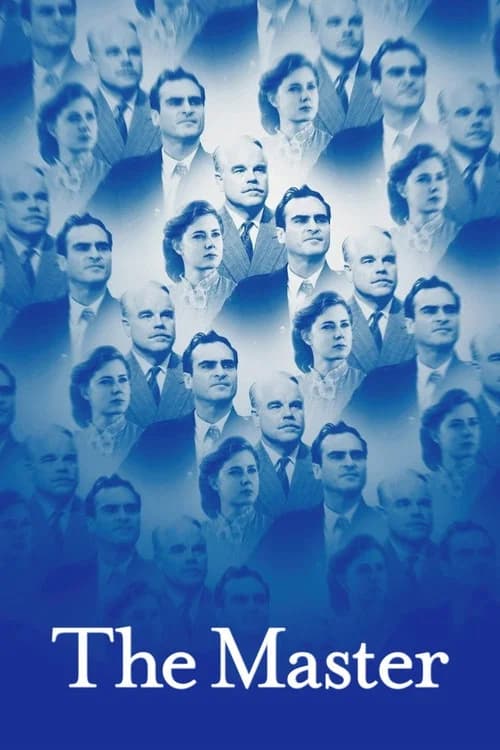
  9. The Master (2012) poster

    The Master

    Paul Thomas Anderson · 2012

    Mihai Malaimare Jr. shot most of the film on 65mm, a large format that is rarely used for drama. It gives The Master an image with extraordinary detail and depth. You can see decades of life in the texture of Hoffman's and Phoenix's faces. The frame is 1.85:1, and the big negative still makes the post-war landscape feel truly vast.

    Where to see it: The motorcycle desert sequence. Freddie rides off across a flat salt flat toward the horizon. The 65mm frame makes the emptiness look physically huge, so his aimlessness feels as big as the universe.

  10. Sicario (2015) poster

    Sicario

    Denis Villeneuve · 2015

    Roger Deakins shoots with spherical prime lenses and frames for a very wide 2.39:1 image. The US-Mexico border landscape ends up looking as large as a moral battlefield. You see the Juárez skyline against the Texas horizon with the desert between them. That geography carries the main point of the film: this war is being fought in the space between 2 legal systems.

    Where to see it: The Juárez convoy sequence. The wide frame holds both the tactical team and the bodies hanging in the city. You have to take in both within a single image.

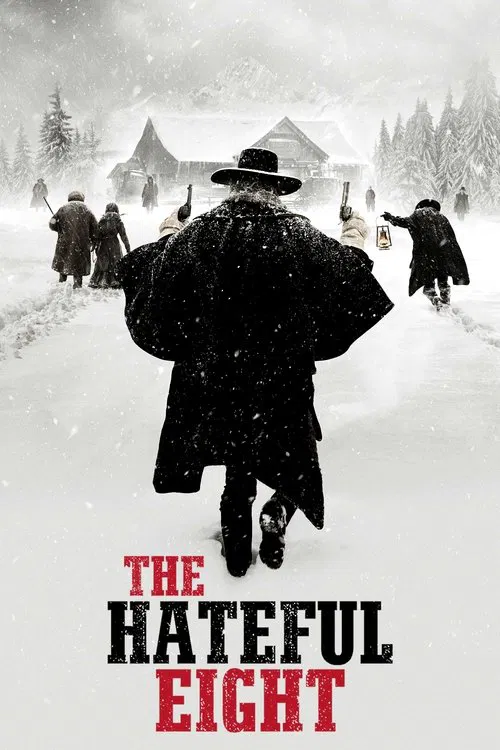
  11. The Hateful Eight (2015) poster

    The Hateful Eight

    Quentin Tarantino · 2015

    The film was shot in a very wide format, Ultra Panavision 70 at 2.76 to 1. Outside, tiny figures are set against the white wilderness. Inside, the wide frame holds the whole room at once, so you can watch everyone's reaction at the same time.

    Where to see it: Stagecoach ride: A coach carries bounty hunters and a prisoner through the snow.

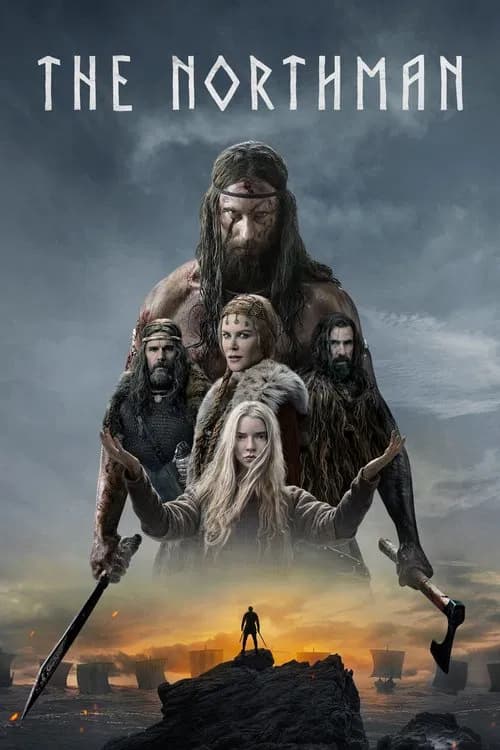
  12. The Northman (2022) poster

    The Northman

    Robert Eggers · 2022

    Jarin Blaschke shoots on 35 mm film with spherical lenses and crops the frame to a wide 2:1 shape. The Irish and Icelandic landscapes take on the scale of myth, with people small against hills, cliffs and glaciers. The wide frame keeps the figures and the land in the same picture.

    Where to see it: Amleth's final fight with Fjolnir at the crater of Hekla, the Gates of Hel. The landscape around them looks like the end of the world. The wide frame holds the man and his doom together.

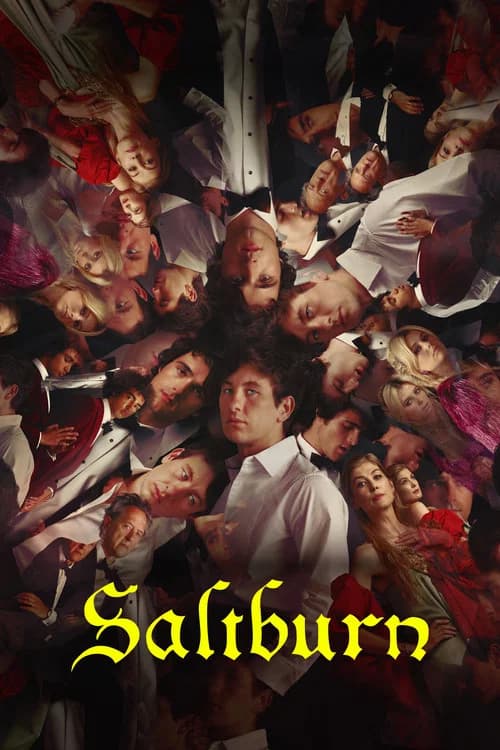
  13. Saltburn (2023) poster

    Saltburn

    Emerald Fennell · 2023

    Linus Sandgren shot Saltburn on 35mm film in the boxy 1.33:1 frame. The format gives Saltburn the look of a classic English country house film: beautiful, sun-soaked and composed. Meanwhile, the story takes apart everything that visual tradition implies about class and belonging.

    Where to see it: The summer party sequences at Saltburn. They are shot in golden light in the square 1.33:1 frame, so the estate looks like a painting. That beauty is deliberately set against the moral decay underneath.

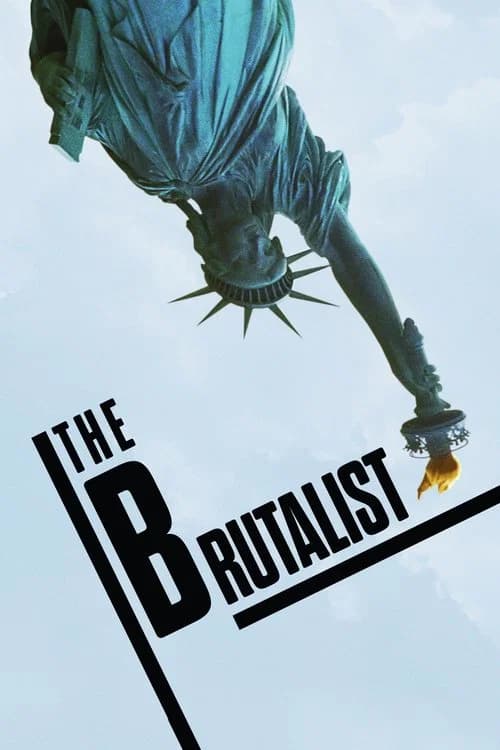
  14. The Brutalist (2024) poster

    The Brutalist

    Brady Corbet · 2024

    Lol Crawley shot the film on VistaVision, a large-format widescreen process. It gives the American landscapes and Brutalist architecture the sweeping look of 1950s Hollywood epics. So the film borrows the look of the same American myth it is questioning.

    Where to see it: The 1980 Venice Biennale epilogue, where the completed Van Buren Institute is shown. The VistaVision frame gives the building the weight of a monument.

Questions

Quick answers

What is anamorphic scope composition in film?
Using the full width of a very wide 2.35:1 frame to set small human figures against huge, empty landscapes. All that empty space makes the characters look isolated and insignificant.
Which films use anamorphic scope composition?
East of Eden (1955), The Searchers (1956), The Hidden Fortress (1958), The Good, the Bad and the Ugly (1966), The Conformist (1970), Manhattan (1979) and 8 more films in the CineCode library.
What kind of technique is anamorphic scope composition?
It is a cinematography technique. Related cinematography techniques include Landscape as Sacred Geography.