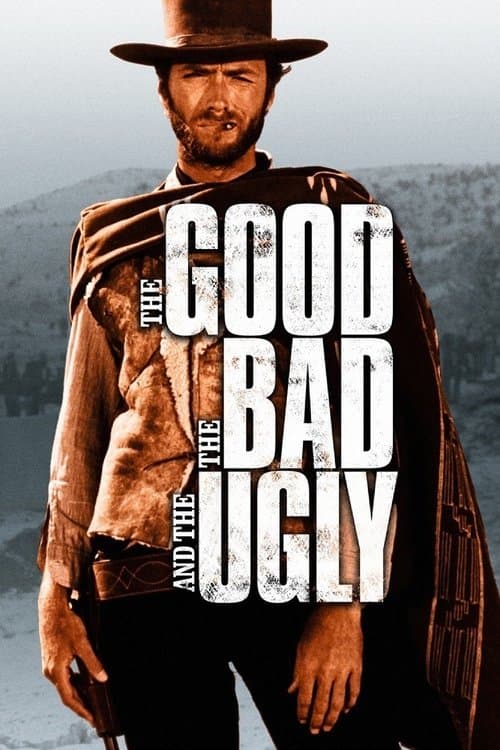
The Good, the Bad and the Ugly
Sergio Leone · 1966
Three gunslingers — an amoral bounty hunter, a sadistic mercenary, and a Mexican bandit — compete to find a buried cache of Confederate gold during the American Civil War. A masterclass in tension engineering and the aestheticization of moral ambiguity.
Techniques Used
5 techniques identified in this film
Extreme Close-Up Standoff
CinematographyCutting between extreme close-ups of characters' eyes and hands during a standoff or confrontation, using the fragmented body as a means of building unbearable tension before any action occurs.
How this film uses it
Leone and cinematographer Tonino Delli Colli decompose the final three-way standoff into a sequence of extreme close-ups — eyes narrowing, hands hovering, sweat forming — cutting between them with escalating frequency before the draw. The anatomy of anticipation is more suspenseful than the act itself.
Ennio Morricone Structural Score
SoundUsing a score composed before filming and played on set during production, so that the editing, performance, and cinematography are calibrated to music rather than the reverse.
How this film uses it
Morricone composed the film's themes before shooting. Leone played the music on set, letting the actors and camera respond to it. The result is an uncanny synchronization between image and score — the music doesn't accompany the film, it generates it.
Anamorphic Scope Composition
CinematographyUsing the full width of a 2.35:1 anamorphic frame to place characters in relationship to vast, empty landscapes — using negative space as a dramatic element that encodes isolation and moral vacancy.
How this film uses it
Leone consistently places his three protagonists as small figures in enormous landscapes, then cuts to faces in extreme close-up within the same sequence. The extreme alternation between scale and intimacy — only possible with widescreen — is the film's fundamental visual grammar.
Triangulated Moral Ambiguity
NarrativeDistributing moral qualities across three characters rather than two so that no simple binary of good/evil applies — each character possessing elements of both, and the audience unable to settle into conventional alignment.
How this film uses it
The 'Good,' 'Bad,' and 'Ugly' labels are deliberately ironic. Blondie (the Good) is a mercenary who repeatedly abandons Tuco to die. Angel Eyes (the Bad) is methodically professional. Tuco (the Ugly) is the film's most emotionally legible character. The triangle prevents moral comfort.
Civil War as Moral Backdrop
NarrativeUsing historical warfare as an environmental backdrop that comments on the protagonists' moral universe — the official violence of armies providing context for the individual violence of the characters.
How this film uses it
Leone inserts his three mercenaries into the actual Civil War — the Battle of Langstone Bridge sequence has the Union and Confederate soldiers dying for a bridge everyone agrees is worthless. The war's absurdity frames the protagonists' gold-hunting as morally equivalent to the armies' killing.
You Might Also Like
Films that share at least one technique with The Good, the Bad and the Ugly
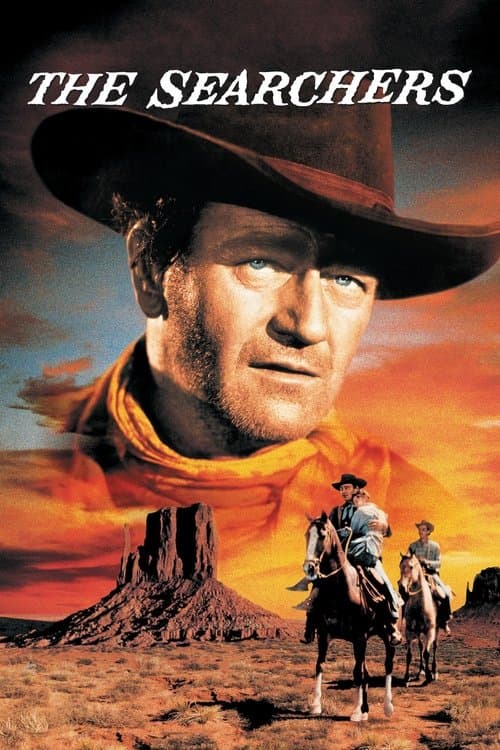
Civil War veteran Ethan Edwards spends years obsessively tracking the Comanche tribe that abducted his niece Debbie — but as the search continues, it becomes unclear whether he intends to rescue her or kill her for living among them. John Ford's masterwork is the Western that questions the genre's soul.
The Searchers
John Ford · 1956
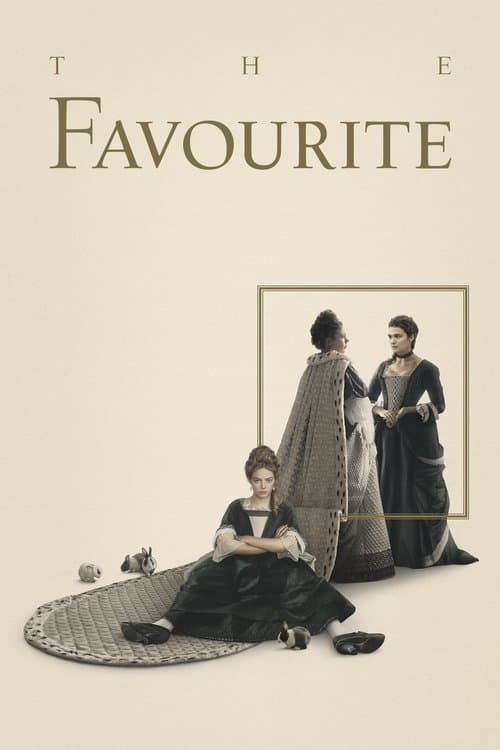
In early 18th-century England, two cousins compete for the affection and political influence of the ailing Queen Anne, using seduction, sabotage, and cruelty as their instruments. Lanthimos's most accessible film strips historical drama down to its essential power dynamics.
The Favourite
Yorgos Lanthimos · 2018
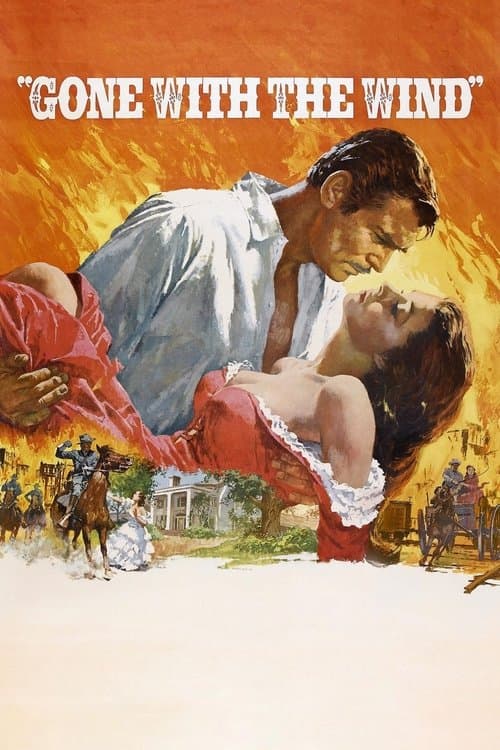
Scarlett O'Hara — willful, vain, and extraordinarily resilient — navigates the Civil War's destruction of her world and its aftermath, in love with the wrong man while being loved by the right one. Hollywood's most ambitious production made the antebellum South into mythology.
Gone with the Wind
Victor Fleming · 1939