Narrative technique · used in 6 films

Civil War as Moral Backdrop

Setting personal stories against the Civil War or another historical war. The large-scale violence of armies gives context and extra weight to what the individual characters do.

Examples

6 films that use it

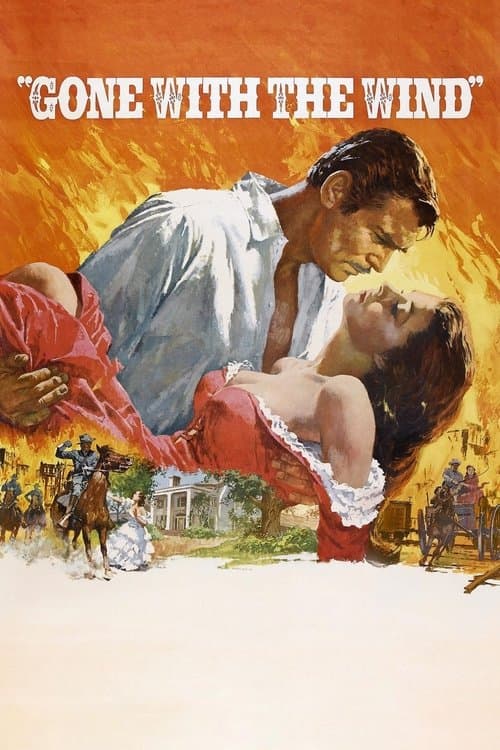
  1. Gone with the Wind (1939) poster

    Gone with the Wind

    Victor Fleming · 1939

    The war wrecks Tara, scatters the O'Haras and wipes out the social world Scarlett was raised to live in. Nevertheless, the film mostly uses the war as a force that changes people. Its subject is what the war does to Scarlett. The historical destruction is the pressure that shows who people really are. The war is a specific piece of history, and it also acts like a character in the story.

    Where to see it: The Atlanta railway depot. The crane shot pulls back over the wounded in the railway yard. You suddenly see the scale of the war: 1 person's catastrophe multiplied until it becomes history.
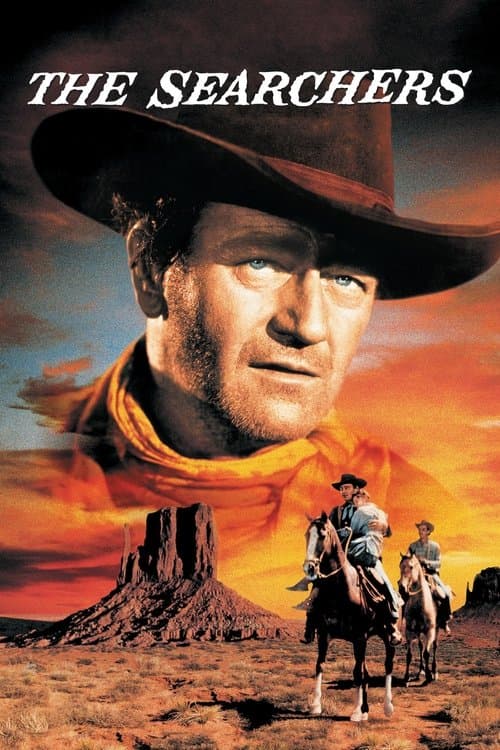
  2. The Searchers (1956) poster

    The Searchers

    John Ford · 1956

    Ethan fought for the Confederacy and refused to surrender. The film starts from those facts and never explains them. The war has produced a man whose skills are useful and whose values are disastrous. This Western is a story about what the war created.

    Where to see it: Ethan refusing to take the oath of allegiance to the Texas Rangers. The film never explains what he did after the war. His history is a wound the story carries and never examines.

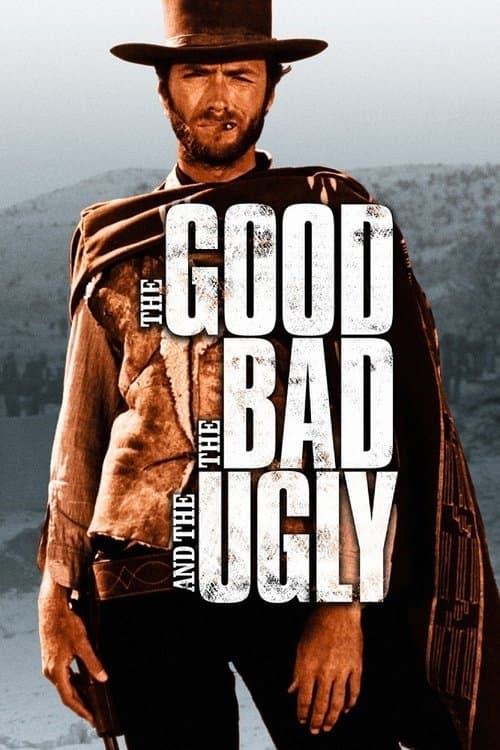
  3. The Good, the Bad and the Ugly (1966) poster

    The Good, the Bad and the Ugly

    Sergio Leone · 1966

    Leone drops his 3 mercenaries into the actual Civil War. In the Battle of Langstone Bridge sequence, Union and Confederate soldiers die for a bridge that is not worth the lives it costs. The absurdity of the war puts the main characters' gold-hunting on the same moral level as the armies' killing.

    Where to see it: The Langstone Bridge sequence. Blondie watches the slaughter and says he has never seen so many men wasted so badly.

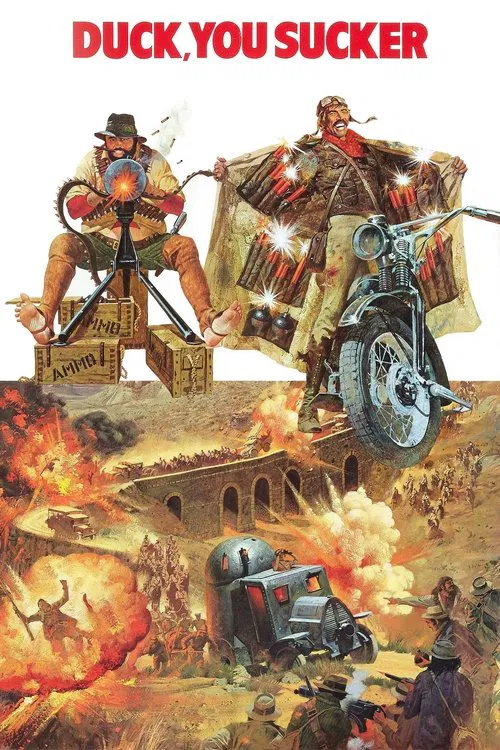
  4. Duck, You Sucker (1971) poster

    Duck, You Sucker

    Sergio Leone · 1971

    The revolution turns a robber into a hero by accident. Juan's small, greedy plans run into big history, and the personal story gains weight from the war around it.

    Where to see it: The bank that is a prison: Juan breaks into the Mesa Verde bank expecting cash and finds it full of political prisoners. After he frees them, he becomes a hero of the revolution.

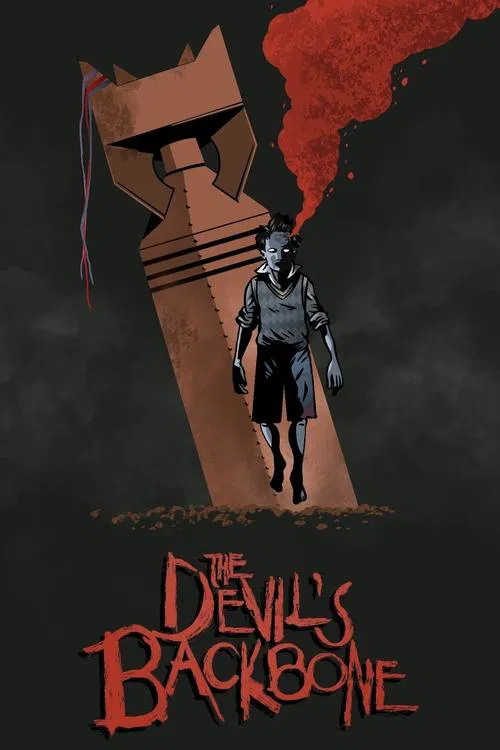
  5. The Devil's Backbone (2001) poster

    The Devil's Backbone

    Guillermo del Toro · 2001

    The story takes place at an orphanage in 1939, at the end of the Spanish Civil War, with Republican gold hidden in the building. An unexploded bomb sits in the courtyard. The war stays offstage, but the choices the adults make about money and loyalty come from it.

    Where to see it: The evacuation: after Ayala is captured, Dr. Casares decides to move the children out, and Jacinto overhears and demands the gold.

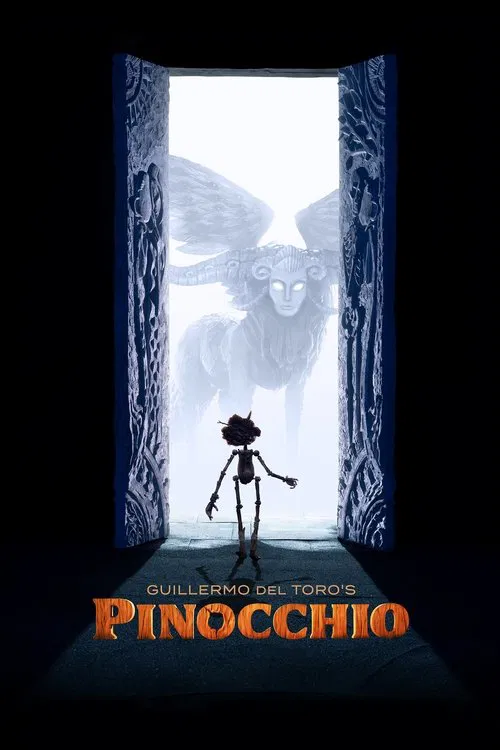
  6. Guillermo del Toro's Pinocchio (2022) poster

    Guillermo del Toro's Pinocchio

    Guillermo del Toro, Mark Gustafson · 2022

    The story is set in fascist Italy, and war keeps breaking into the fairy tale. Geppetto loses his son in a bombing, and Allied bombers later destroy a youth camp. The war gives weight to the choices Pinocchio makes about obedience.

    Where to see it: The youth camp: Pinocchio befriends Candlewick, who refuses to shoot him, and then Allied bombers destroy the camp.

Questions

Quick answers

What is civil war as moral backdrop in film?
Setting personal stories against the Civil War or another historical war. The large-scale violence of armies gives context and extra weight to what the individual characters do.
Which films use civil war as moral backdrop?
Gone with the Wind (1939), The Searchers (1956), The Good, the Bad and the Ugly (1966), Duck, You Sucker (1971), The Devil's Backbone (2001), Guillermo del Toro's Pinocchio (2022).
What kind of technique is civil war as moral backdrop?
It is a narrative technique. Related narrative techniques include Character Arc Inversion, Sentimental Realism, Revisionist Genre Argument.