Western

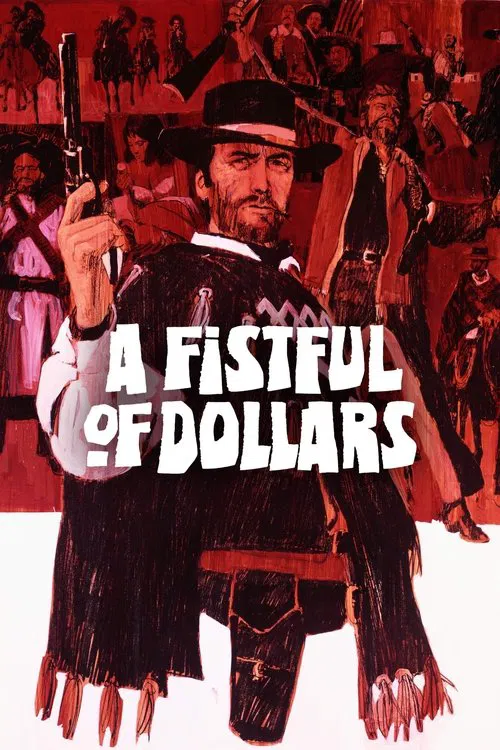
A Fistful of Dollars

Sergio Leone, 1964

A nameless gunman rides into San Miguel, a border town split between two feuding families. He sells information to both sides and plays them against each other for money. It was Clint Eastwood's first leading role and a loose Western version of a Kurosawa samurai film.

A Fistful of Dollars (1964) poster

At a glance

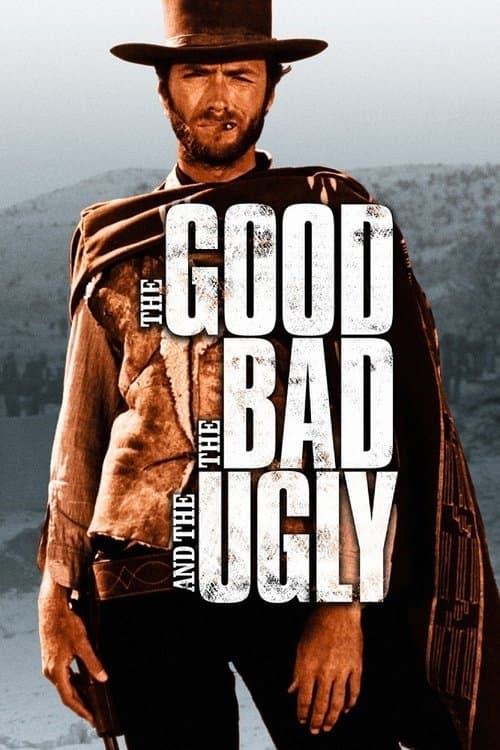
A Fistful of Dollars is a 1964 western film directed by Sergio Leone. This breakdown covers 5 techniques (3 narrative, 1 sound and 1 cinematography), each with the scene where you can see it. If you like how it is made, The Good, the Bad and the Ugly uses several of the same techniques.

Narrative

Character Through Action Introduction

Introducing a character by showing them in action or at work before any explaining dialogue. You learn their skill, fears, humor and values by watching what they do.

How this film uses it

The Stranger enters town and is insulted, and you learn who he is before he says a word about himself. Four men insult him and he shoots all four. Nobody gives you his name or past, so his skill is his introduction.

Where to see it

The town entrance: The Stranger enters San Miguel and shoots to death the four men who insulted him.
Narrative

Triangulated Moral Ambiguity

Spreading good and bad qualities across 3 or more characters, where most stories use 2 sides. Nobody is purely the hero or the villain, so you can't easily pick who to root for.

How this film uses it

The Rojos and the Baxters are both smugglers, and the Stranger works both sides for money. Then he risks his life to free Marisol, a woman the Rojos are holding. Nobody is purely good, and you cannot easily pick a side.

Where to see it

The cemetery trick: The Stranger props up two dead soldiers and sells each family the story that they survived, setting the families against each other.

Sound

Ennio Morricone Structural Score

Treating the score as part of the film's structure, sometimes writing it before the shoot and playing it on set. The acting, camera and editing are then shaped around the music.

How this film uses it

Morricone has said some of the music was written before the film, which was unusual. The pacing and the long silences of the film are shaped by it, and it gives the Western its own sound.

Where to see it

The opening titles: Morricone's main theme plays over the opening titles before the Stranger rides into San Miguel.

Narrative

Source Story Transplant

Moving a known story into a new genre, country or era while keeping its core plot, so the familiar skeleton takes on a different meaning.

How this film uses it

Leone moves a Japanese samurai story to the Old West. The wandering lone fighter and two rival clans become a nameless gunslinger and two smuggling families.

Where to see it

The two families: The Stranger sees the Rojos and the Baxters feuding for control of San Miguel and decides to make money by playing them against each other.

Cinematography

Extreme Close-Up Standoff

Filming a confrontation in extreme close-ups of faces, eyes and hands, often cutting between them. The tight framing builds tension before anything happens and makes the fight a mental one.

How this film uses it

The final duel is built on faces and eyes, a look Leone would push further in later films. The Stranger keeps standing as Ramon's shots hit him, and the waiting does the work that a fast draw usually does.

Where to see it

The showdown: The Stranger taunts Ramon to aim for the heart. The shots deflect off a steel plate under his poncho until Ramon's rifle is empty.

Questions

A Fistful of Dollars: quick answers

What filmmaking techniques does A Fistful of Dollars use?
CineCode breaks down 5 techniques in A Fistful of Dollars (1964): Character Through Action Introduction, Triangulated Moral Ambiguity, Ennio Morricone Structural Score, Source Story Transplant and Extreme Close-Up Standoff.
Who directed A Fistful of Dollars?
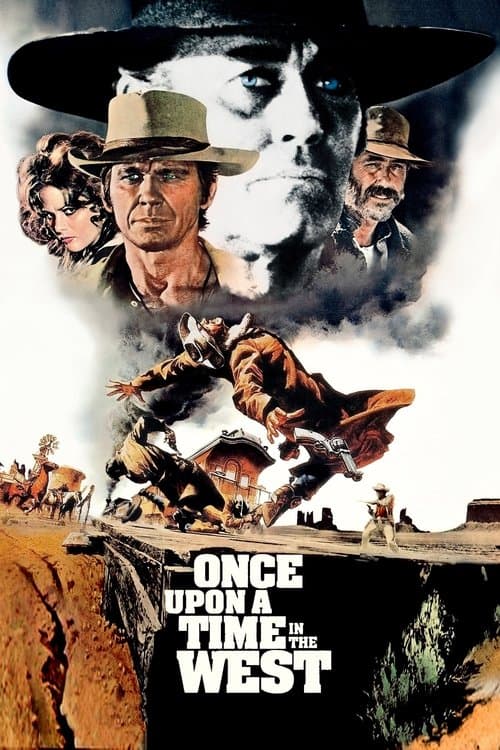
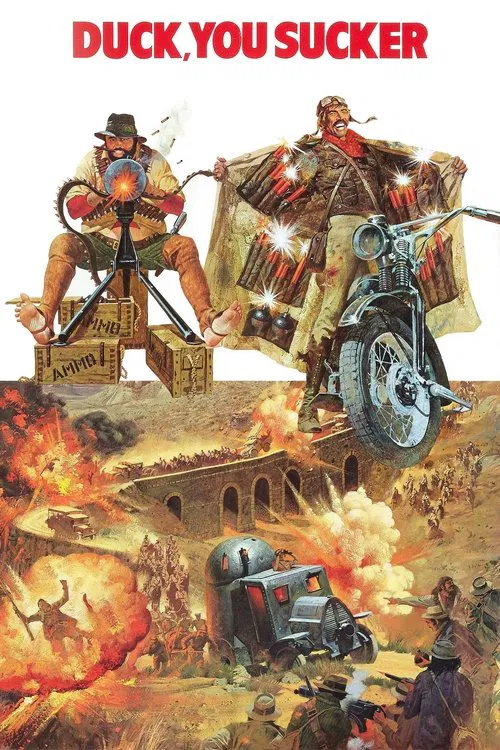
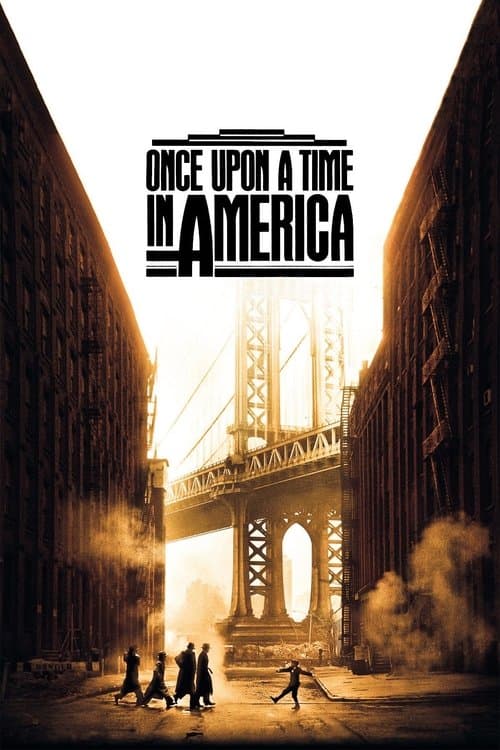
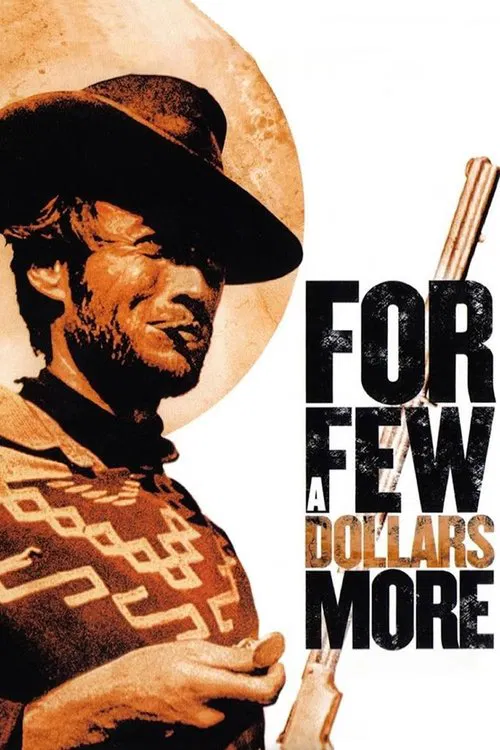
Sergio Leone directed A Fistful of Dollars, released in 1964. CineCode also covers For a Few Dollars More (1965), The Good, the Bad and the Ugly (1966), Once Upon a Time in the West (1968), Duck, You Sucker (1971), Once Upon a Time in America (1984).
What films are similar to A Fistful of Dollars?
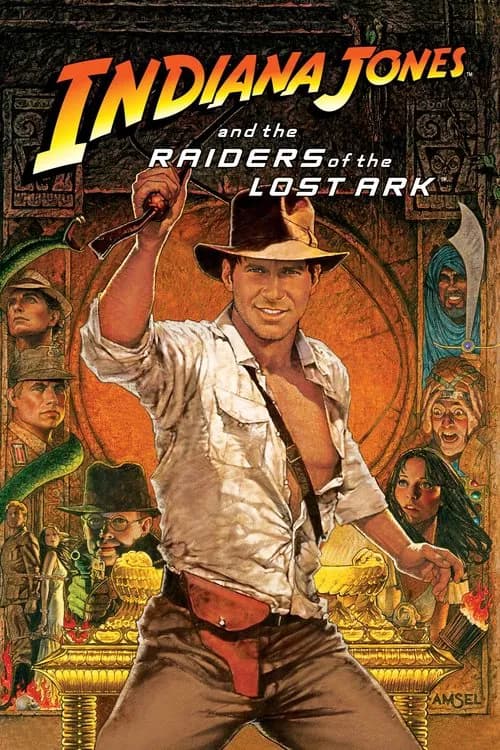
Films that share techniques with A Fistful of Dollars include The Good, the Bad and the Ugly (1966), For a Few Dollars More (1965), Raiders of the Lost Ark (1981), Once Upon a Time in the West (1968).