Narrative technique · used in 11 films

Character Through Action Introduction

Introducing a character by showing them in action or at work before any explaining dialogue. You learn their skill, fears, humor and values by watching what they do.

Examples

11 films that use it

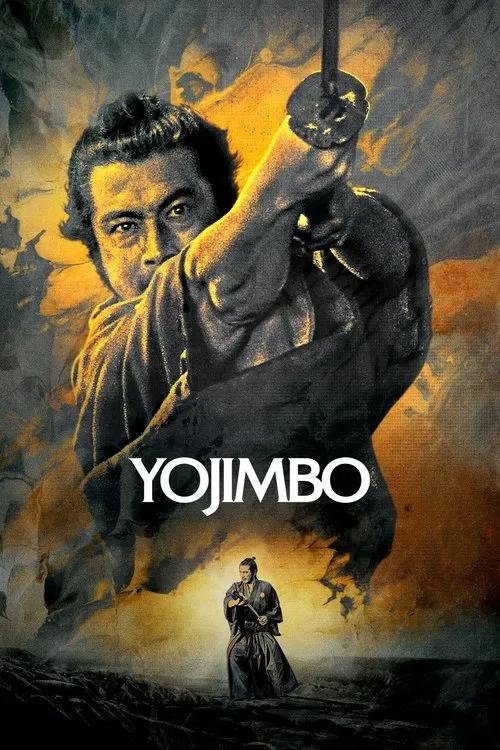
  1. Yojimbo (1961) poster

    Yojimbo

    Akira Kurosawa · 1961

    You never learn the samurai's real name or past. You learn him from what he does: he tosses a stick in the air to choose which road to take, and he cuts down 3 thugs in seconds to prove his price. By the time anyone asks his name, you already know him.

    Where to see it: The crossroads. The ronin throws a stick into the air at a fork in the road and walks off in the direction it points.
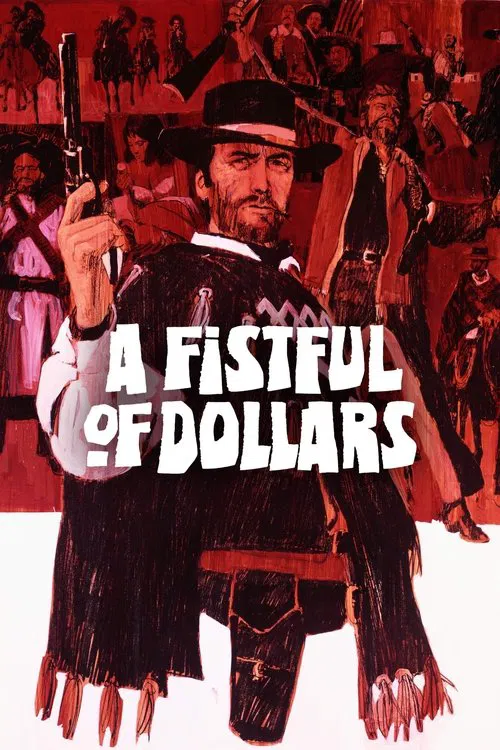
  2. A Fistful of Dollars (1964) poster

    A Fistful of Dollars

    Sergio Leone · 1964

    The Stranger enters town and is insulted, and you learn who he is before he says a word about himself. Four men insult him and he shoots all four. Nobody gives you his name or past, so his skill is his introduction.

    Where to see it: The town entrance: The Stranger enters San Miguel and shoots to death the four men who insulted him.

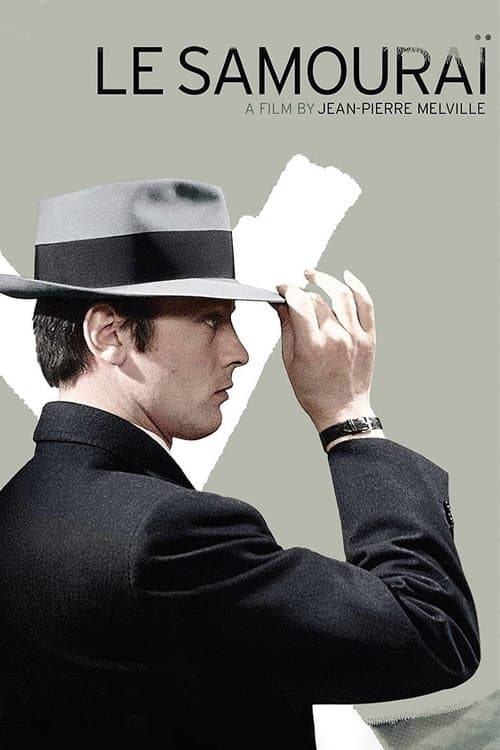
  3. Le Samourai (1967) poster

    Le Samourai

    Jean-Pierre Melville · 1967

    You meet Jef through his methods. You see the stolen car, the building of the false alibi and the hit itself. Melville gives no backstory and no motivation beyond the code. Who Jef is comes entirely out of how he works. The film suggests that for some people, the work is the self.

    Where to see it: The first 20 minutes of the film. Jef prepares and carries out the contract. His professional behavior alone establishes the character.

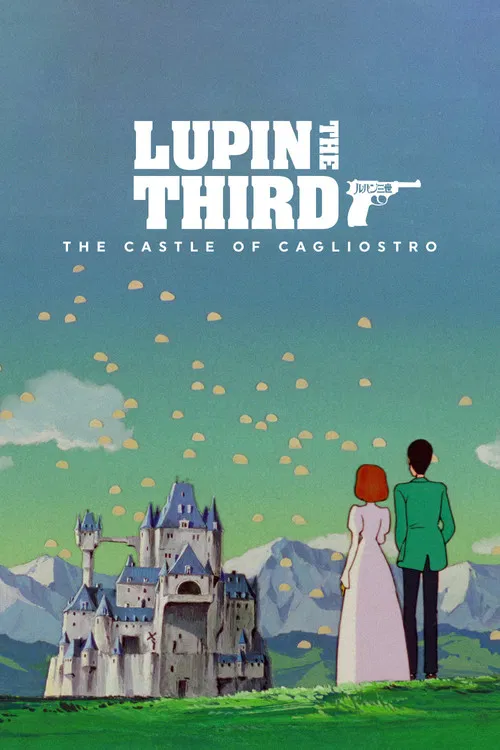
  4. The Castle of Cagliostro (1979) poster

    The Castle of Cagliostro

    Hayao Miyazaki · 1979

    You learn who Lupin is by watching him work. He and Jigen flee a casino with a haul of cash, and Lupin spots right away that the money is fake. His speed, humor and curiosity all show before anyone explains him.

    Where to see it: The casino getaway: Lupin and Jigen flee the Monte Carlo Casino with a large amount of money, and Lupin realizes the bills are high-quality counterfeits.

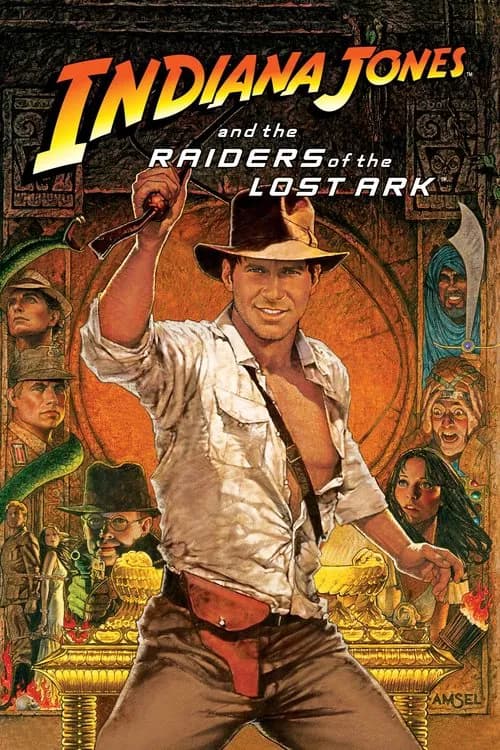
  5. Raiders of the Lost Ark (1981) poster

    Raiders of the Lost Ark

    Steven Spielberg · 1981

    In the temple prologue, Spielberg introduces Indiana Jones purely through what he does. You watch him read booby traps, move with real agility, deal with Satipo and refuse to leave without the idol. You know exactly who he is before he says a word of explanation.

    Where to see it: The entire opening temple sequence. You piece Indiana Jones together from his actions before anyone explains anything.

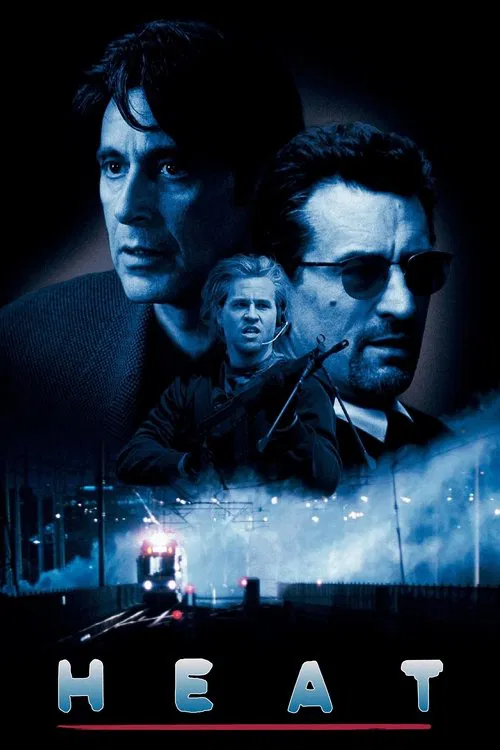
  6. Heat (1995) poster

    Heat

    Michael Mann · 1995

    Major characters in Heat are introduced through what they do. You first see McCauley in a paramedic's uniform, stealing an ambulance from a hospital, and you first see Hanna waking up beside his wife Justine before he heads to work. The film holds back their backstories. Mann trusts that how a person acts tells you pretty much everything important about who they are.

    Where to see it: McCauley walking through the hospital and driving off in the ambulance in the opening sequence. You learn who he is entirely from how he does his job, and nobody explains him to you.

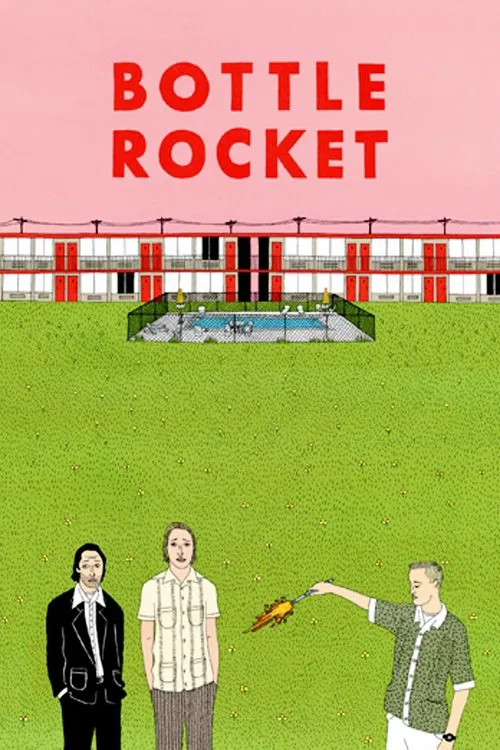
  7. Bottle Rocket (1996) poster

    Bottle Rocket

    Wes Anderson · 1996

    We meet Dignan by watching him spring Anthony from a hospital. He treats it like a prison break even though Anthony checked himself in voluntarily. That one scene tells you Dignan turns every small thing into a grand mission, and Anthony will go along with it.

    Where to see it: The break-out: Dignan breaks Anthony out of a voluntary psychiatric unit at the start of the film.

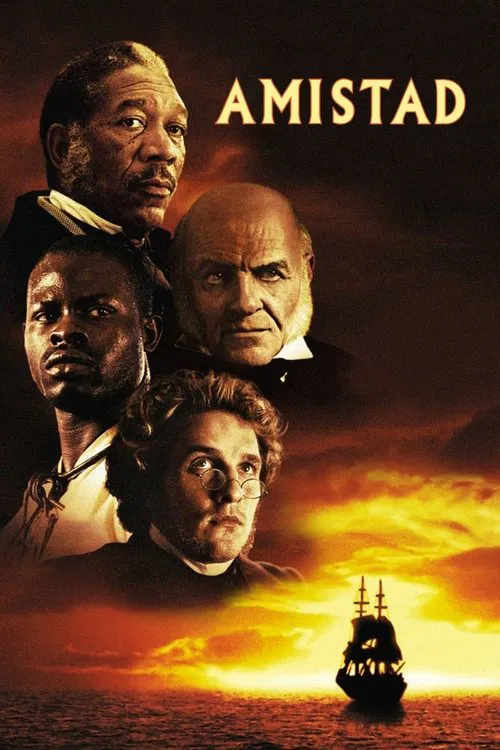
  8. Amistad (1997) poster

    Amistad

    Steven Spielberg · 1997

    We meet Cinqué before we hear his name. We watch him work himself free of his chains in the dark. You learn how determined he is from what his hands do.

    Where to see it: The opening escape: Cinqué works a nail loose from the deck, frees himself and leads the uprising on the ship during a storm.

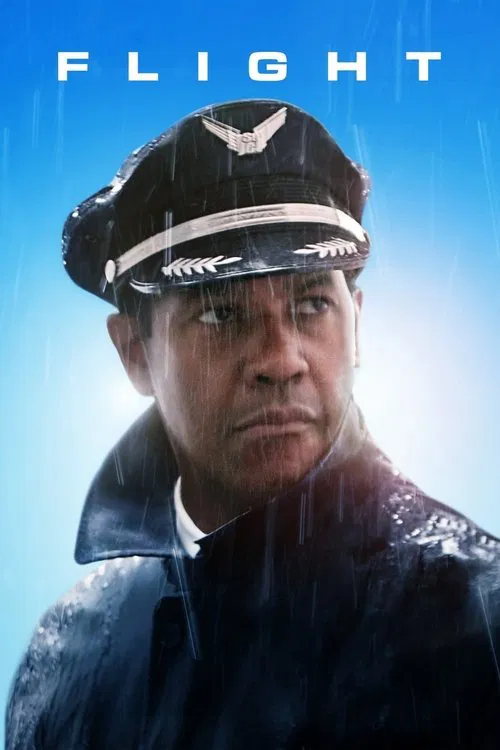
  9. Flight (2012) poster

    Flight

    Robert Zemeckis · 2012

    Before anyone explains who Whip is, you watch him use cocaine to wake up after a night of drinking in his hotel room. Then he captains the flight. You learn his skill and his problem in one stretch, without a line of explanation.

    Where to see it: The hotel room opening: Whip snorts cocaine to stay alert after drinking all night with a flight attendant. He then captains SouthJet Flight 227.

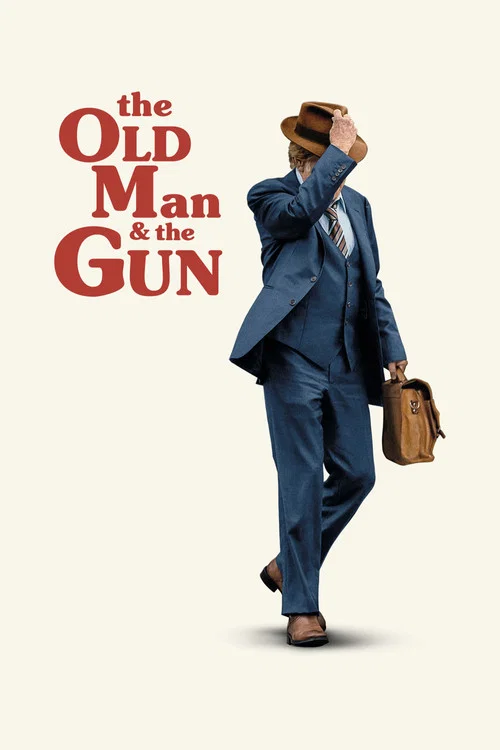
  10. The Old Man & the Gun (2018) poster

    The Old Man & the Gun

    David Lowery · 2018

    The film introduces Forrest by showing him on the run after a robbery. He passes a woman with car trouble and pretends to help her so police driving by will not look twice. In 2 minutes you know he is charming, quick and cannot stop.

    Where to see it: Opening getaway: evading police after a bank robbery, Forrest stops by Jewel's stalled car and pretends to help. The police drive past without noticing him.

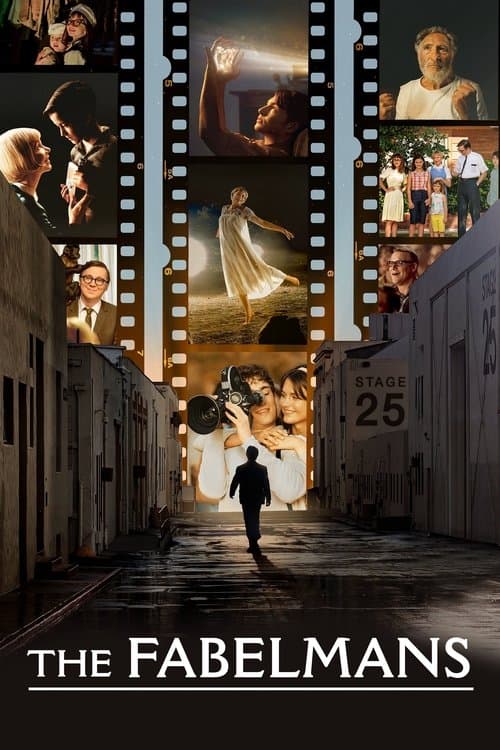
  11. The Fabelmans (2022) poster

    The Fabelmans

    Steven Spielberg · 2022

    From his first encounter with a camera, Sammy is defined by what he does with one. After seeing a train crash in a movie, he stages one with his toy train, and his mother suggests filming it so he can watch it again and again. That moment introduces the character and states the film's main idea: for Sammy, making images is how he makes sense of the world. Spielberg introduces himself through the one compulsion that defines him.

    Where to see it: The train crash recreation. Sammy films the toy train crash with his father's camera. The action shows you how the filmmaker's mind works before anyone has said the word 'cinema'.

Questions

Quick answers

What is character through action introduction in film?
Introducing a character by showing them in action or at work before any explaining dialogue. You learn their skill, fears, humor and values by watching what they do.
Which films use character through action introduction?
Yojimbo (1961), A Fistful of Dollars (1964), Le Samourai (1967), The Castle of Cagliostro (1979), Raiders of the Lost Ark (1981), Heat (1995) and 5 more films in the CineCode library.
What kind of technique is character through action introduction?
It is a narrative technique. Related narrative techniques include Deadpan Absurdism, Dramatic Irony, Voyeurism as Audience Mirror.