Narrative technique · used in 15 films

Triangulated Moral Ambiguity

Spreading good and bad qualities across 3 or more characters, where most stories use 2 sides. Nobody is purely the hero or the villain, so you can't easily pick who to root for.

Examples

15 films that use it

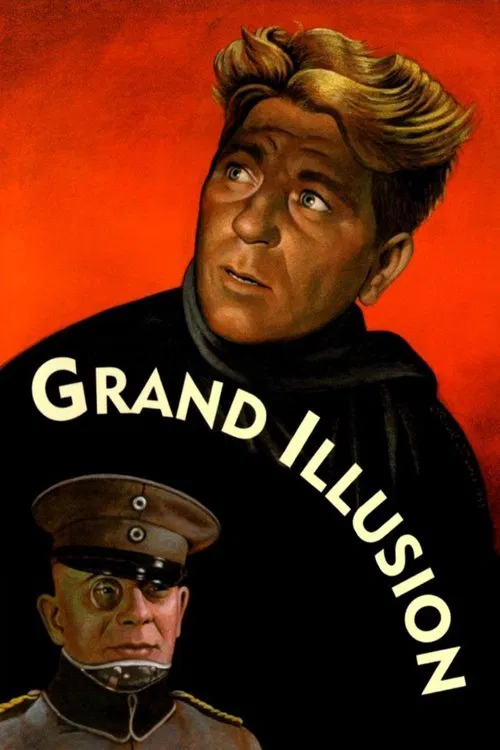
  1. Grand Illusion (1937) poster

    Grand Illusion

    Jean Renoir · 1937

    Maréchal is working-class French, Boeldieu is aristocratic French and von Rauffenstein is aristocratic German. Among these 3, belonging to the same class counts for more than being enemies. As a matter of fact, it upsets every assumption that your country comes first.

    Where to see it: The farewell between von Rauffenstein and the dying Boeldieu. It feels more sincere than any scene between the French officers.
  2. A Fistful of Dollars (1964) poster

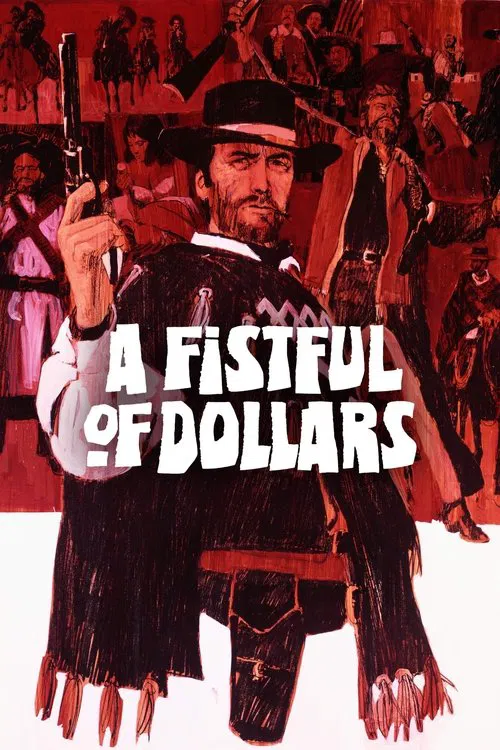
    A Fistful of Dollars

    Sergio Leone · 1964

    The Rojos and the Baxters are both smugglers, and the Stranger works both sides for money. Then he risks his life to free Marisol, a woman the Rojos are holding. Nobody is purely good, and you cannot easily pick a side.

    Where to see it: The cemetery trick: The Stranger props up two dead soldiers and sells each family the story that they survived, setting the families against each other.

  3. The Good, the Bad and the Ugly (1966) poster

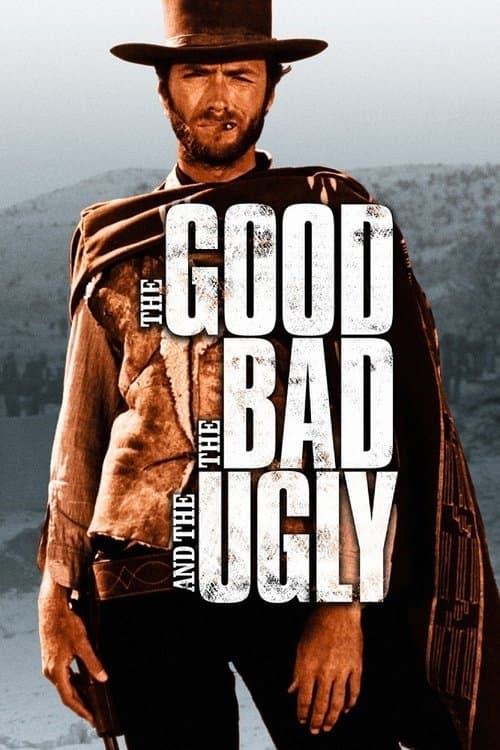
    The Good, the Bad and the Ugly

    Sergio Leone · 1966

    The 'Good', 'Bad' and 'Ugly' labels are deliberately ironic. Blondie (the Good) is a mercenary who leaves Tuco to die in the desert. Angel Eyes (the Bad) is methodical and professional. Tuco (the Ugly) is the character whose feelings are easiest to read. With the 3 of them set up like this, you never get to feel morally comfortable.

    Where to see it: Blondie abandoning Tuco in the desert. This is the casual cruelty of the 'Good' character.

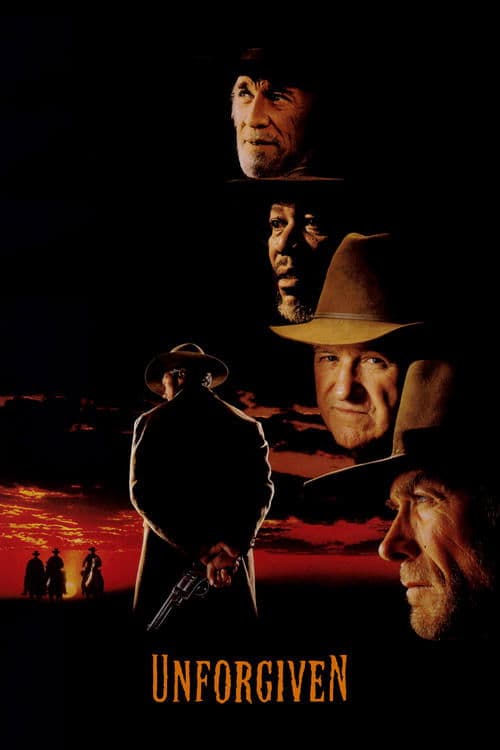
  4. Unforgiven (1992) poster

    Unforgiven

    Clint Eastwood · 1992

    Munny is the reluctant killer. Little Bill is the lawman who is worse than the criminals he controls. Beauchamp is the writer who turns violence into legend. Each one exposes the hypocrisy of the others, and none of them offers a better way.

    Where to see it: Beauchamp switching his loyalty from English Bob to Little Bill. He does it after seeing that Little Bill is the more violent man. The scene is about who gets to write the legend.

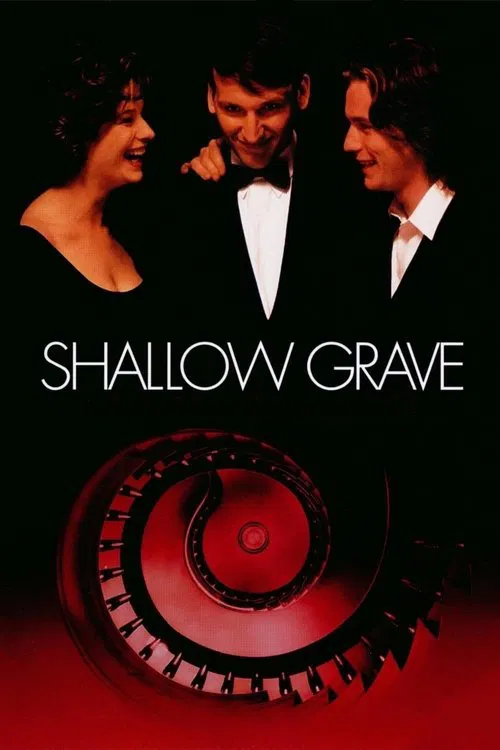
  5. Shallow Grave (1994) poster

    Shallow Grave

    Danny Boyle · 1994

    No one in the flat is the hero. David is timid and then violent, Juliet is calm and calculating and Alex is a flippant journalist. By the end, each one has betrayed another, and Juliet finds that the suitcase she fled with holds only newspaper clippings.

    Where to see it: Drawing lots: After agreeing to keep the money, they draw lots and David gets the job of dismembering the body. Juliet disposes of the leftovers in her hospital's incinerator.

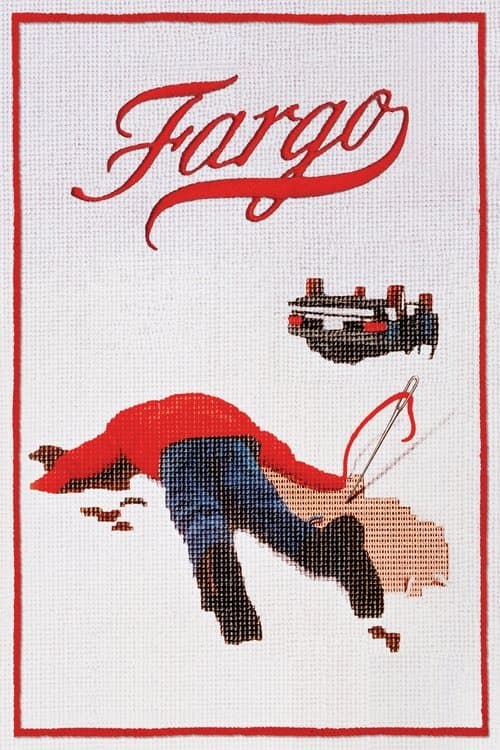
  6. Fargo (1996) poster

    Fargo

    Joel Coen, Ethan Coen · 1996

    The film sets up 3 moral corners: Jerry's cowardice, Gaear's psychopathy and Marge's competent decency. The Coens make evil easy to understand. Jerry is small-minded and Gaear is aggressive, and you can read both of them completely. Because of that, Marge's goodness comes across as a choice she makes.

    Where to see it: Marge's confrontation with Gaear at the lake. The 3-way contrast gets settled here. Decency and violence stand face to face, and there is no melodrama.

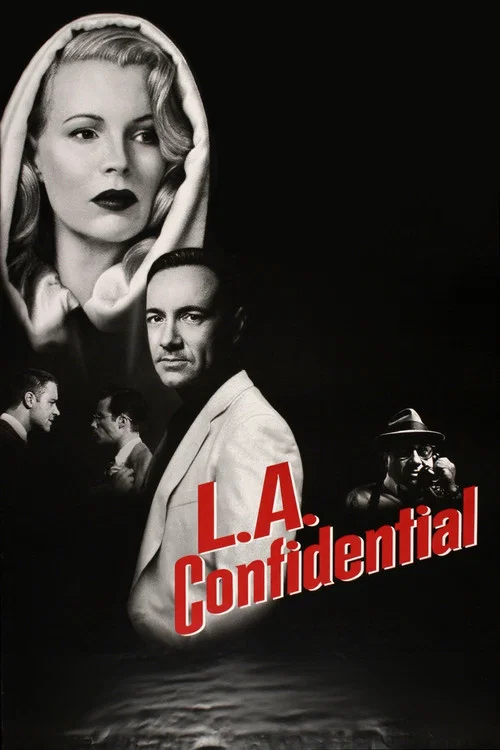
  7. L.A. Confidential (1997) poster

    L.A. Confidential

    Curtis Hanson · 1997

    Bud White, Jack Vincennes and Ed Exley start the film as moral opposites. Bud is brute force, Jack is corruption and Ed is principle. Each turns out to be wrong in a way the others make up for. Vincennes is killed partway through, and the case forces Bud and Exley into an uneasy alliance.

    Where to see it: The Victory Motel, where Bud and Exley finally fight side by side. By then Vincennes is dead, and his last words have pointed Exley toward the truth. Put together, their separate investigations reach a truth none of them could find alone.

  8. Sympathy for Mr. Vengeance (2002) poster

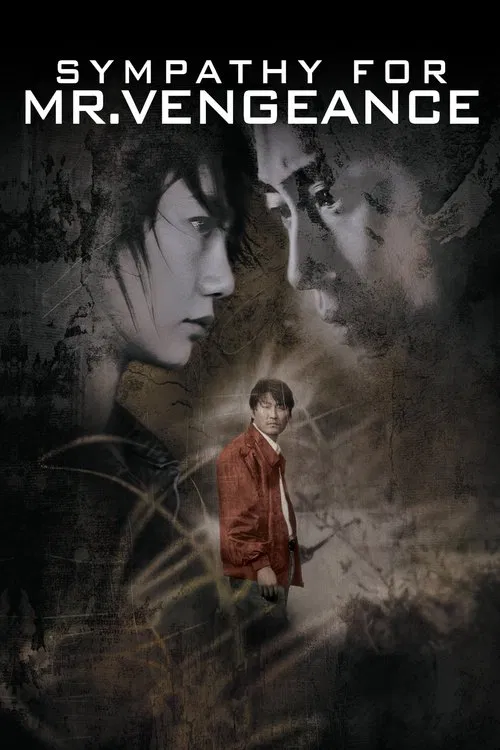
    Sympathy for Mr. Vengeance

    Park Chan-wook · 2002

    Ryu wants to save his sister, Dong-jin wants to avenge his daughter, and Yeong-mi believes in her cause. Each is sympathetic and each does something terrible. You can't pick one person to root for.

    Where to see it: The scene where Ryu's group chooses Yu-sun as their target. After a former employee tries to kill himself in front of them, they take Dong-jin's daughter instead.

  9. Memories of Murder (2003) poster

    Memories of Murder

    Bong Joon-ho · 2003

    The film sets up 3 points of a moral triangle. Detective Park works by gut feeling and brutality. Detective Seo works by method and reason. Their prime suspect may or may not be guilty. The film never settles it. Neither approach works and neither detective is proven right. The weight lands on the system that failed, and far less on the people inside it.

    Where to see it: The final confrontation between Seo and the suspect in the tunnel. The methodical detective's faith in reason hits its limit here. The triangle stays unresolved for good.

  10. Mystic River (2003) poster

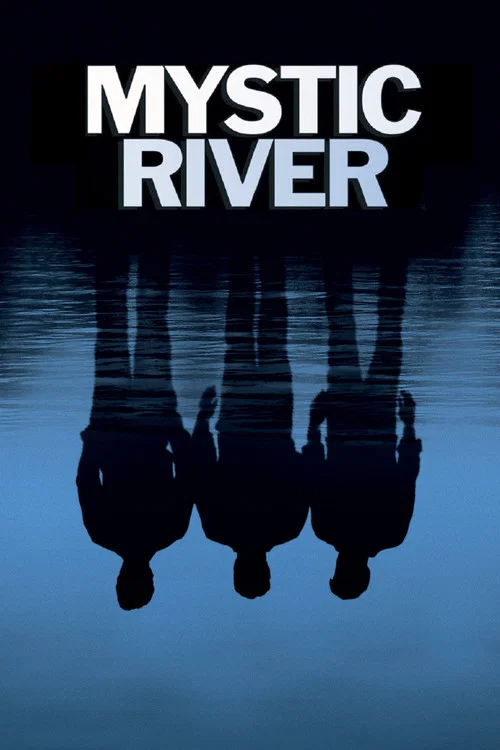
    Mystic River

    Clint Eastwood · 2003

    Jimmy, Sean and Dave each carry some good and some bad. Jimmy is a loving father who commits murder, Sean is a decent detective with a broken marriage and Dave is a victim who has done something terrible. You cannot easily pick a hero.

    Where to see it: Parade: near the end, Sean points a finger gun at Jimmy during a local parade. Jimmy shrugs it off.

  11. Body of Lies (2008) poster

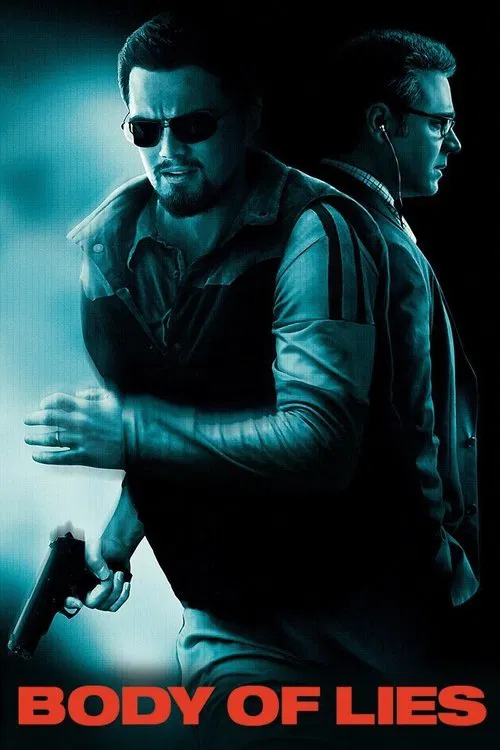
    Body of Lies

    Ridley Scott · 2008

    Ferris relies on trust and local knowledge. Hoffman, in Washington, orders deceit and violence over the phone. Salaam helps Ferris, then has an informant tortured, then uses Ferris as bait. None of the 3 is clean, and each does harm in the name of the mission.

    Where to see it: The warning: Salaam makes Ferris watch his agents torture the local asset as a message to Hoffman.

  12. Inglourious Basterds (2009) poster

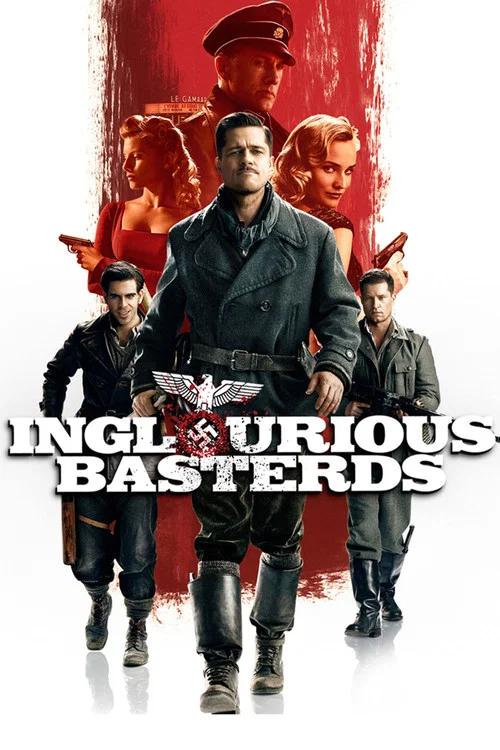
    Inglourious Basterds

    Quentin Tarantino · 2009

    Landa is charming, brilliant and monstrous. Shosanna's revenge is righteous and wipes out everything. The Basterds are heroic and savage. Tarantino sets the 3 against each other so you can't separate the moral pleasure of revenge from the horror of atrocity. That means you can't read the film as simply righteous.

    Where to see it: Landa's deal at the premiere. After arresting Aldo Raine and Utivich, a war criminal bargains for his own immunity in exchange for letting the attack go ahead. The scene lays out exactly where each side stands morally.

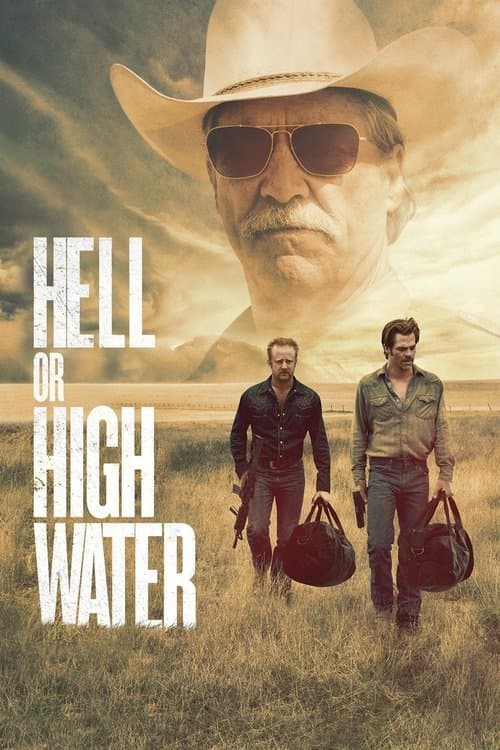
  13. Hell or High Water (2016) poster

    Hell or High Water

    David Mackenzie · 2016

    Toby stands for moral necessity, Tanner for recklessness and Marcus for institutional authority. Mackenzie refuses to make any of the 3 the hero. The film's morals play out as a conversation between their positions, and it never arrives at a verdict.

    Where to see it: The final confrontation between Marcus and Toby. The Ranger knows what he knows and so does the outlaw. Neither man can arrest or accuse the other without implicating the system that produced both of them.

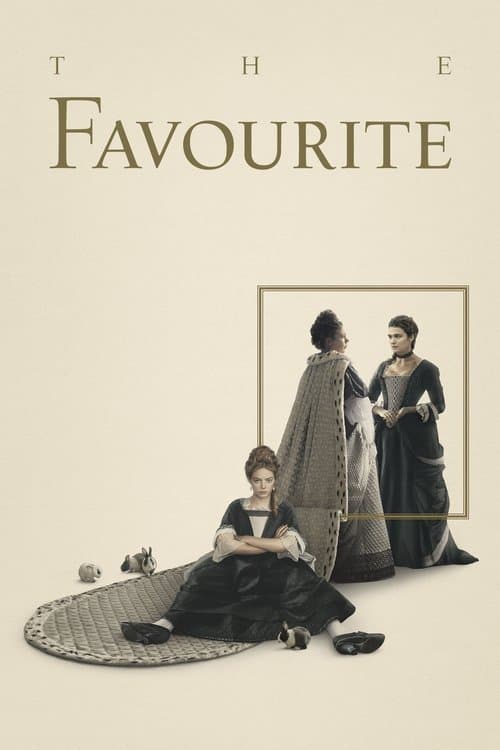
  14. The Favourite (2018) poster

    The Favourite

    Yorgos Lanthimos · 2018

    Sarah loves Anne and manipulates her. Abigail wants power and has survived enough to earn it. Anne is treated like a child and is also the sovereign. The 3-way setup refuses to cast anyone as the victim or the villain. Each woman is using someone and being used. Each has been shaped by circumstances that explain her behavior without excusing it.

    Where to see it: The final scene. Anne manipulates Abigail and Sarah is in exile. The 3-way struggle ends with no winner. All that is left is a pecking order of people who have destroyed each other.

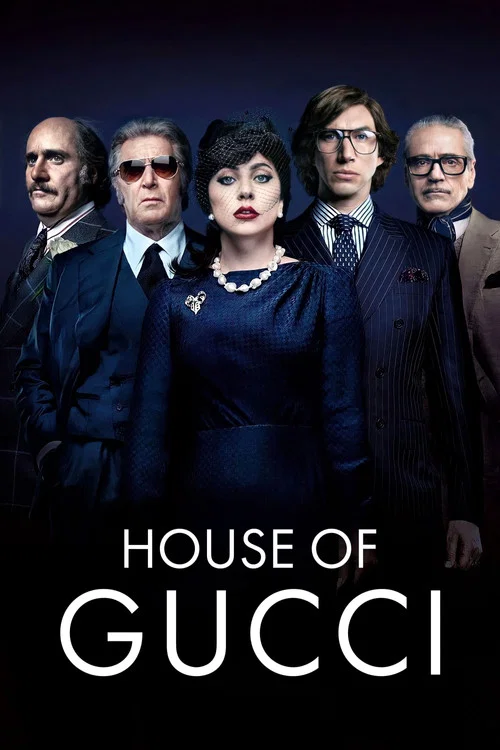
  15. House of Gucci (2021) poster

    House of Gucci

    Ridley Scott · 2021

    No single character is a clean hero. Patrizia schemes, Maurizio betrays her, and Aldo and Paolo have their own selfish ambitions. You get a family where everyone wounds someone.

    Where to see it: The family boardroom fights: Aldo, Paolo and Maurizio compete for control of the company, and each uses the others when it suits them.

Questions

Quick answers

What is triangulated moral ambiguity in film?
Spreading good and bad qualities across 3 or more characters, where most stories use 2 sides. Nobody is purely the hero or the villain, so you can't easily pick who to root for.
Which films use triangulated moral ambiguity?
Grand Illusion (1937), A Fistful of Dollars (1964), The Good, the Bad and the Ugly (1966), Unforgiven (1992), Shallow Grave (1994), Fargo (1996) and 9 more films in the CineCode library.
What kind of technique is triangulated moral ambiguity?
It is a narrative technique. Related narrative techniques include Deadpan Absurdism, Revisionist Genre Argument, Observational Restraint.