
Comparison · 3 shared techniques

Nomadland vs Licorice Pizza

Nomadland (2020) and Licorice Pizza (2021) share 3 techniques. Here is how each film uses them.

Shared

Same technique, two films

Picaresque Structure

Telling the story as a loose string of separate adventures, often following a low-status hero through different levels of society. With no single plot, the episodes add up to a portrait of a world.

Nomadland

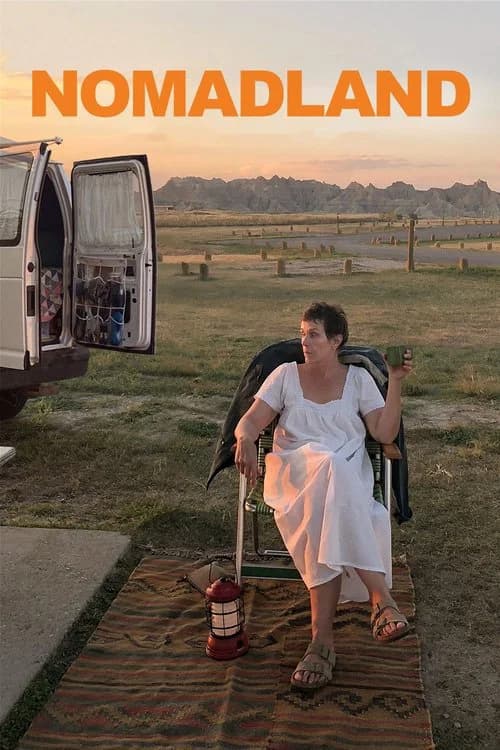
Fern moves through Amazon fulfillment centers, beet fields, national parks and campfire communities. Each location is a chapter with its own people and its own discovery. This is a picaresque structure, meaning a story told as a string of separate episodes. It suits the subject, a life built around moving with no destination. It also suits a film that won't force a plot onto what is essentially a documentary of how some Americans live.

Licorice Pizza

The film moves through a series of set pieces: the waterbed delivery, the gas crisis, the pinball machines and Jon Peters. Each one is its own little adventure that adds to the portrait of Gary and Alana. None of them pushes toward a conventional plot ending.

Handheld Cinema Vérité

Shooting with a handheld camera so the frame shakes and moves with the action. This documentary-style look, called cinema vérité, puts you uncomfortably close to the character.

Nomadland

Joshua James Richards shoots Nomadland with the sensitivity of a nature photographer. He uses available light, meaning whatever light is already there. His handheld camera follows the people where most cameras would lead them. He watches the American West with the patience of someone who has been let into a world. Because of that texture, Fern's world feels like something the film discovered.

Licorice Pizza

Anderson shoots many sequences with a loose handheld camera that trails after the characters. The camera is there as a witness. It catches Alana and Gary in motion, as close as a bystander who happened to have a camera.

Observational Restraint

Watching events from a measured distance with no swelling music, tear-jerking close-ups or showy camera moves. The film trusts what happens to carry the weight on its own.

Nomadland

Zhao's camera watches Fern, and the film never tells you how to feel about her choices. When she turns down the offer of a conventional home, the film just watches. It doesn't approve of the decision and it doesn't question it. That restraint is the point. This is a life, these are her choices and the film's job is to witness them.

Licorice Pizza

Anderson refuses to define what Alana and Gary are to each other until the very end. Almost everything the film says about their feelings comes through how they behave, how close they stand and the time they spend together.

Different

Where they split

Only in Licorice Pizza