Comparison · 3 shared techniques

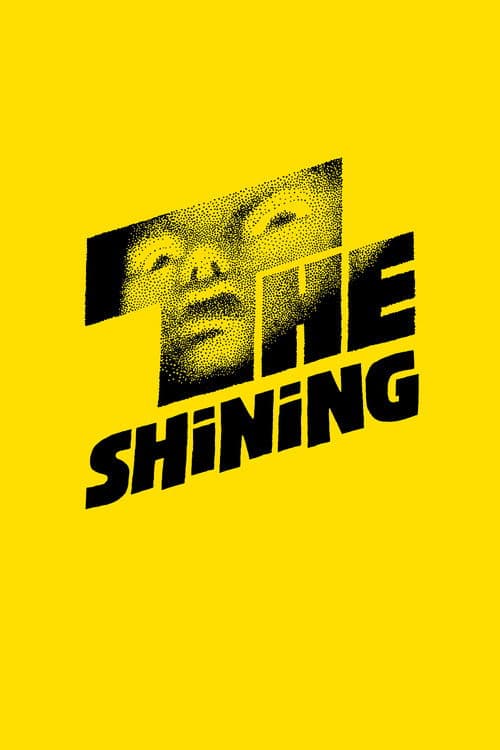
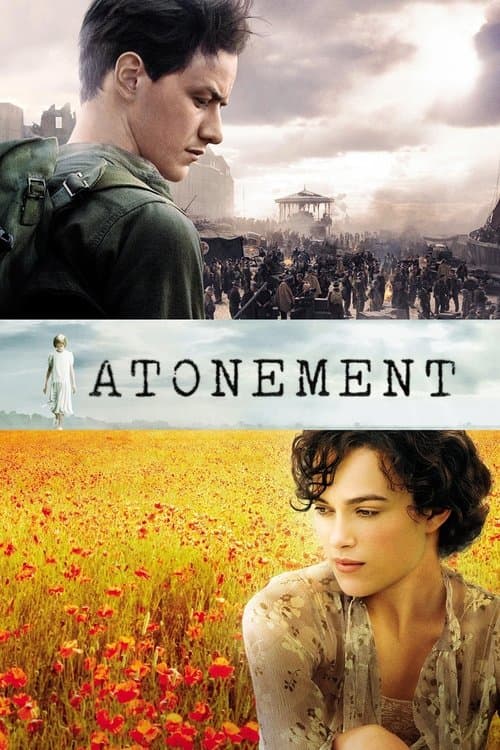
The Shining vs Atonement

The Shining (1980) and Atonement (2007) share 3 techniques. Here is how each film uses them.

Shared

Same technique, two films

Unreliable Narrator

Telling the story through a character you can't trust, because they are lying, mentally unwell or fooling themselves. At some point, you have to rethink what you were told.

The Shining

The film never fully settles if the hotel's ghosts are real or if Jack's alcoholic psychosis is making them up. You can read the story as psychological and as supernatural at the same time.

Atonement

The final act reveals that the entire story has been Briony's novel. It is her version of events, including a reconciliation she imagined. Every scene before it turns out to be a beautiful lie she wrote to forgive herself.

Steadicam

Mounting the camera on a stabilizing rig worn by the operator so it can glide smoothly through a space. It moves as freely as handheld but without the shake.

The Shining

Kubrick used the Steadicam, a stabilized camera rig that glides smoothly, to follow Danny through the Overlook's corridors at child height. At that height and that close behind him, the camera feels like a predator chasing him.

Atonement

A 5 and a half minute unbroken Steadicam take crosses the Dunkirk beach. It follows Robbie past about 1,000 extras, a pier and soldiers singing. I feel like it is one of cinema's great long shots. All the chaos of the war is taken in by one continuous movement.

Diegetic Sound Design

Using sounds the characters themselves can hear, like footsteps, radios or traffic, to build tension or show how someone feels. The sound does more than make the scene realistic.

The Shining

Kubrick builds dread out of sounds that come from inside the hotel. Danny's Big Wheel rumbles over the wooden floors and goes quiet each time it crosses a rug. In the Gold Room, old dance band music plays for a party that shouldn't be there. Familiar sounds come out alien and threatening.

Atonement

Dario Marianelli weaves the sound of Briony's typewriter into the score. The clacking keys become a musical theme. When you hear it, you are reminded that Briony is the author and controls the story you are watching.

Different

Where they split