Editing technique · used in 2 films

Continuity Errors as Design

Breaking the usual rules that keep space and time consistent between shots, on purpose. The mismatches tell you the film's reality or a character's view of it can't be trusted.

Examples

2 films that use it

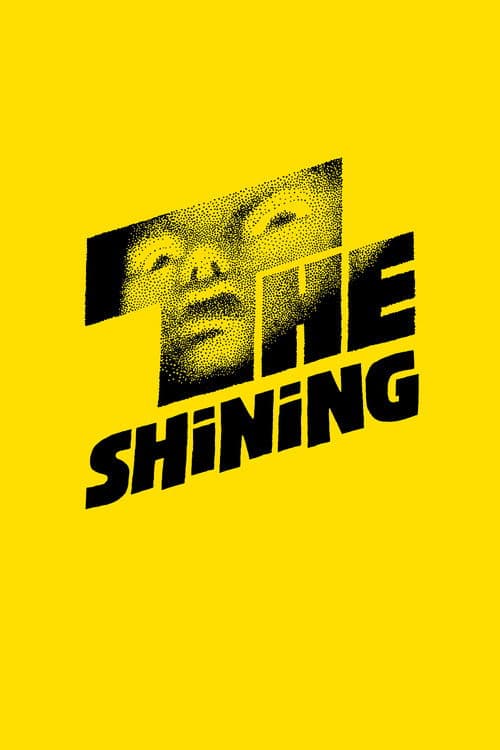
  1. The Shining (1980) poster

    The Shining

    Stanley Kubrick · 1980

    Kubrick deliberately put in furniture, windows and architectural features that move or disappear between cuts. The suggestion is that the layout of the Overlook itself is impossible.

    Where to see it: Mr. Ullman's office. The window behind his desk couldn't exist in an inside room.
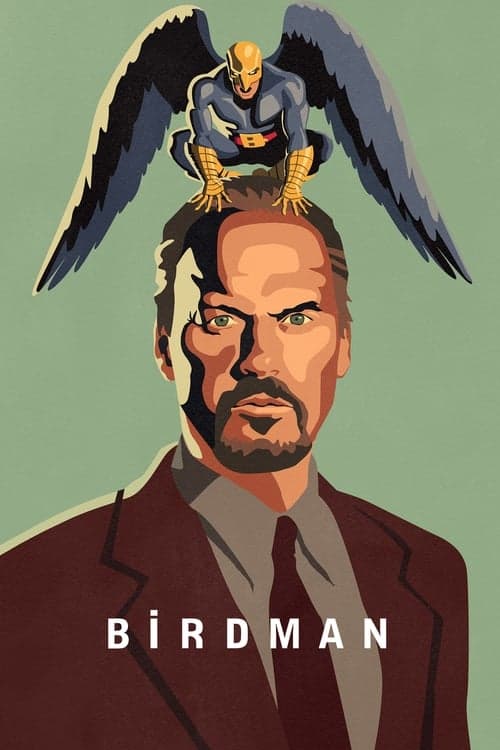
  2. Birdman or (The Unexpected Virtue of Ignorance) (2014) poster

    Birdman or (The Unexpected Virtue of Ignorance)

    Alejandro González Iñárritu · 2014

    The famous 'single-take' look is really a series of shots joined so you can't see the joins. The cuts are hidden in dark frames and behind passing objects. The seams are real. Nevertheless, time seems to run without a break, and that shows you how Riggan can't escape his own performance.

    Where to see it: Riggan leaving the theater. The camera follows him from backstage through the theater and into the streets of New York in what looks like a single continuous take.

Questions

Quick answers

What is continuity errors as design in film?
Breaking the usual rules that keep space and time consistent between shots, on purpose. The mismatches tell you the film's reality or a character's view of it can't be trusted.
Which films use continuity errors as design?
The Shining (1980), Birdman or (The Unexpected Virtue of Ignorance) (2014).
What kind of technique is continuity errors as design?
It is a editing technique. Related editing techniques include Kinetic Set Piece Architecture.