Cinematography technique · used in 6 films

One-Point Perspective

Framing a shot so every line in it runs toward 1 point in the center. The picture looks perfectly symmetrical, which can feel hypnotic, stagey or oppressive.

Examples

6 films that use it

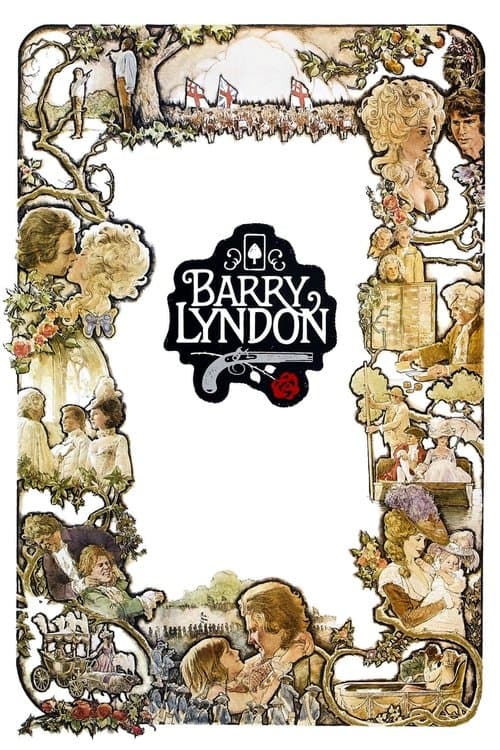
  1. Barry Lyndon (1975) poster

    Barry Lyndon

    Stanley Kubrick · 1975

    Kubrick composes Barry Lyndon's country estates, military formations and gambling rooms with the formal symmetry of 18th-century painting. The one-point perspective, where every line runs to 1 central point, makes the society Barry sneaks into look like a stage set. It's beautiful and ordered, and it's open to anyone willing to play the right part.

    Where to see it: The gaming room compositions. Aristocratic leisure is staged symmetrically. It's the visual order Barry wants to belong to and can never quite live in honestly.
  2. The Shining (1980) poster

    The Shining

    Stanley Kubrick · 1980

    Kubrick is fairly obsessive about centered, symmetrical framing all through the Overlook. It makes the hotel look like an abstract, impossible space that is beautiful and terrifying at the same time.

    Where to see it: Every corridor shot in the hotel. The overhead view of the hedge maze stands out in particular.

  3. Eyes Wide Shut (1999) poster

    Eyes Wide Shut

    Stanley Kubrick · 1999

    Kubrick frames the Harford apartment hallways and the hotel corridors as symmetrical tunnels that run to one central point. The visual order is a trap, and the perfect home is a lie.

    Where to see it: Bill walking through the Greenwich Village streets at night. The city's lines are perfectly centered and dreamlike.

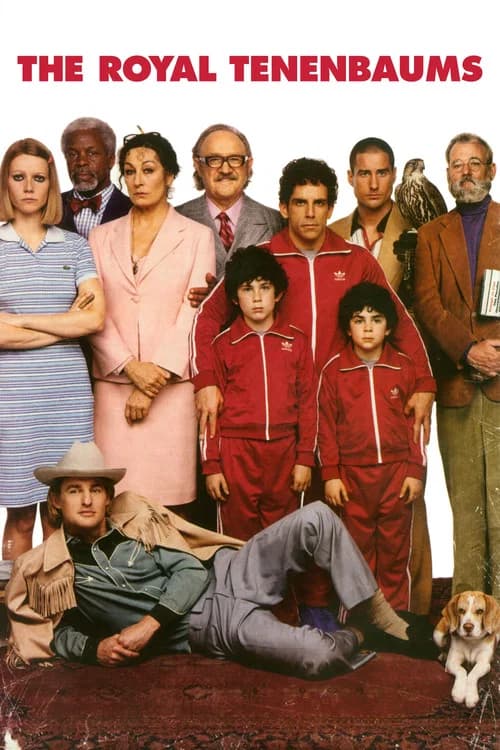
  4. The Royal Tenenbaums (2001) poster

    The Royal Tenenbaums

    Wes Anderson · 2001

    Anderson's signature shots are symmetrical, with everything lined up toward the center of the frame (the Tenenbaum house hallways, the elevator, the tent in the backyard). They turn the home into a museum of people who stopped growing up. It looks as if nothing has been allowed to move.

    Where to see it: The shot of Chas and his sons standing in the hallway in matching red tracksuits. They are framed like a portrait they've been trapped inside.

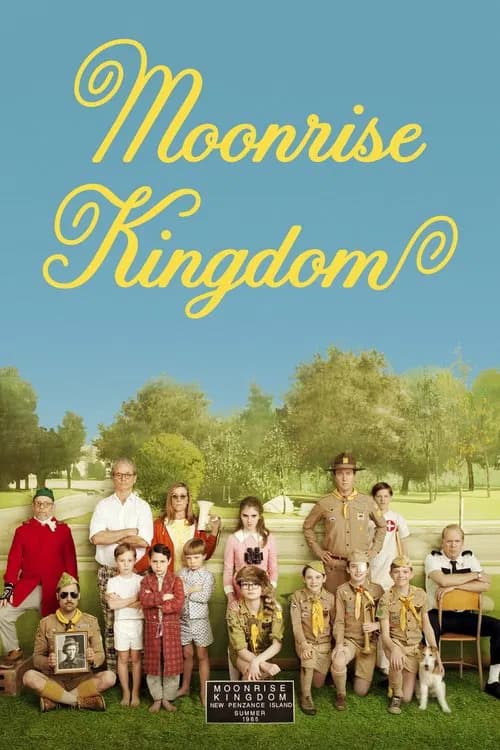
  5. Moonrise Kingdom (2012) poster

    Moonrise Kingdom

    Wes Anderson · 2012

    Anderson's signature symmetrical framing makes the New England island of Moonrise Kingdom look like a storybook illustration. Every frame is perfectly centered. That order reflects what the children want, which is a world that runs on clear rules they made up themselves.

    Where to see it: Scout Master Ward's tent. The inside is shot in perfectly centered symmetry. The scout troop is a mess, but Anderson's tidy frame makes it feel orderly.

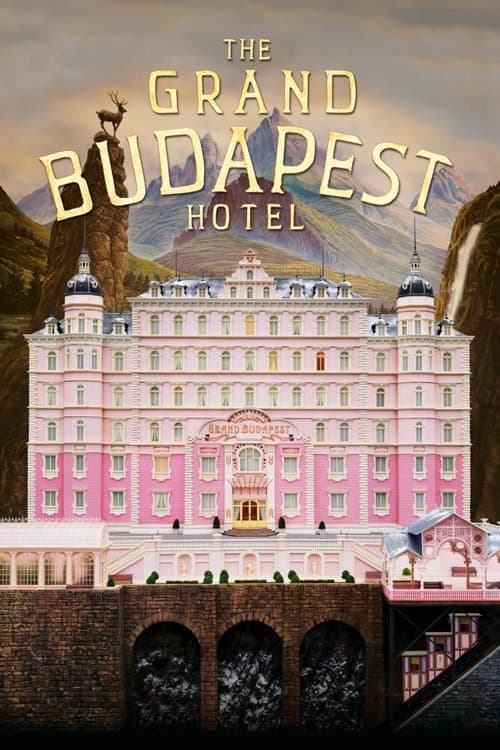
  6. The Grand Budapest Hotel (2014) poster

    The Grand Budapest Hotel

    Wes Anderson · 2014

    Anderson uses centered symmetry throughout. Corridors, hotel lobbies, cell blocks and mountain cable cars are all filmed as if they were designed for a single viewer sitting at the exact center. Every location becomes a stage, and every character looks deliberately placed on it like an actor in a play.

    Where to see it: The Grand Budapest Hotel's lobby and elevator shaft. The camera is centered on every vertical and horizontal line, so the architecture becomes pure composition.

Questions

Quick answers

What is one-point perspective in film?
Framing a shot so every line in it runs toward 1 point in the center. The picture looks perfectly symmetrical, which can feel hypnotic, stagey or oppressive.
Which films use one-point perspective?
Barry Lyndon (1975), The Shining (1980), Eyes Wide Shut (1999), The Royal Tenenbaums (2001), Moonrise Kingdom (2012), The Grand Budapest Hotel (2014).
What kind of technique is one-point perspective?
It is a cinematography technique. Related cinematography techniques include Period Color Separation, Steadicam.