Comparison · 3 shared techniques

The Treasure of the Sierra Madre vs Silence

The Treasure of the Sierra Madre (1948) and Silence (2016) share 3 techniques. Here is how each film uses them.

Shared

Same technique, two films

Landscape as Sacred Geography

Photographing real landscapes like mountains, plains and rivers so they feel mythic and full of meaning. The land becomes a spiritual and moral test the characters have to cross.

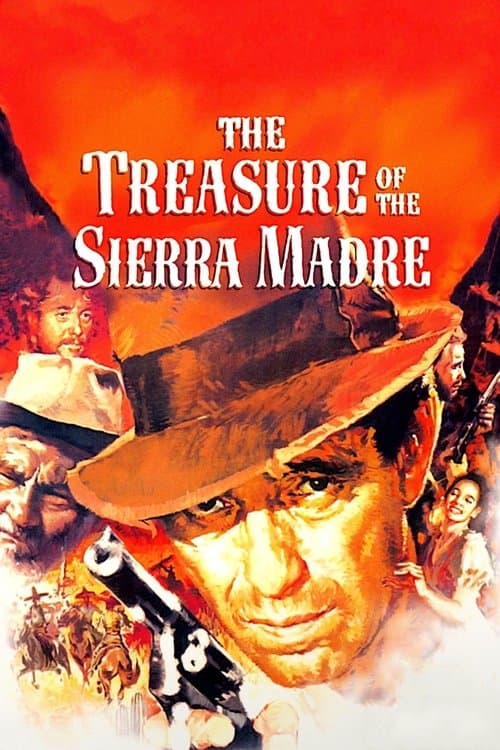
The Treasure of the Sierra Madre

The Sierra Madre mountains are where the gold comes from, and they are also where the film tests the men's morals. Every climb toward the mine takes the men further down into their worst selves. The landscape doesn't care about their greed and isn't changed by their destruction. The mountains outlast all of them.

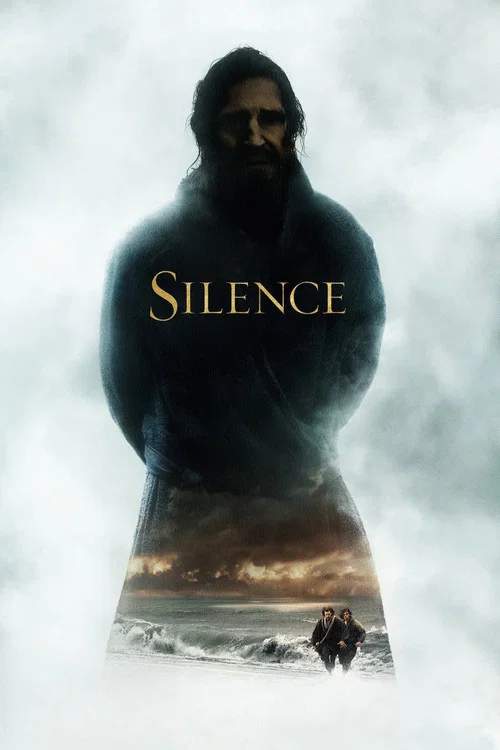
Silence

The film was shot in Taiwan, in studios and on locations in Hualien County. Mist, mountains and sea cover the priests as they cross Japan in secret. The land becomes a test they have to pass.

Escalating Moral Stakes

Raising the ethical price of winning with each part of the story. Every compromise the characters make leads to a worse one, until they can't go back.

The Treasure of the Sierra Madre

Dobbs' paranoia grows in steps. First it is reasonable, then excessive, then murderous. Each step is caused by the one before it, so his mental breakdown feels like it had to happen. I feel like the gold never really corrupts Dobbs. It removes the conditions that used to keep the worst parts of his character hidden.

Silence

Officials make Christians step on the fumi-e, a carved image of Christ, and spit on a cross. Each time Rodrigues holds out, other people pay for it. The price of his faith rises until a choice is forced on him.

Symbolic Object

Returning to the same physical object again and again until it means more than what it is. It moves the plot and also stands for the film's main ideas.

The Treasure of the Sierra Madre

The gold dust is the film's main symbol. Every character gives something up for it. It weighs nothing and destroys everything. At the end, the wind scatters it and returns it to the mountains, and nothing comes of it. That is the film's darkest joke and its most complete statement.

Silence

The fumi-e and the cross appear again and again. Each time, the object is a test of faith. In the last scene, a small crude crucifix turns up in the dead man's hand, which you can read as the film's final answer.

Different

Where they split