Sound technique · used in 5 films

Theological Silence Design

Using silence and ambient sound, with no music, as the answer to the film's central spiritual question. The lack of any reply from God is given the weight of a spoken answer.

Examples

5 films that use it

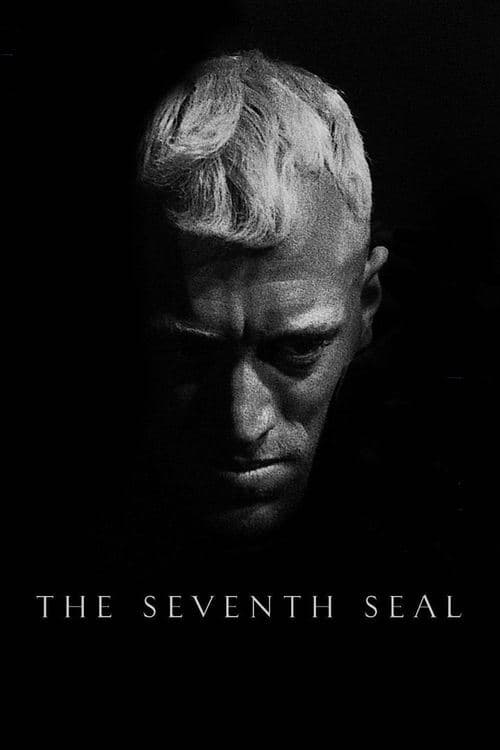
  1. The Seventh Seal (1957) poster

    The Seventh Seal

    Ingmar Bergman · 1957

    The knight asks God for proof. In the confessional he asks why God hides himself, and all he gets back is silence. Bergman designs this silence with care, so it feels like a particular kind of nothingness that is present in the room. That silence is the film's statement about God.

    Where to see it: The knight in the church confessional. His questions about God fill the space. The silence that follows carries the film's religious weight.
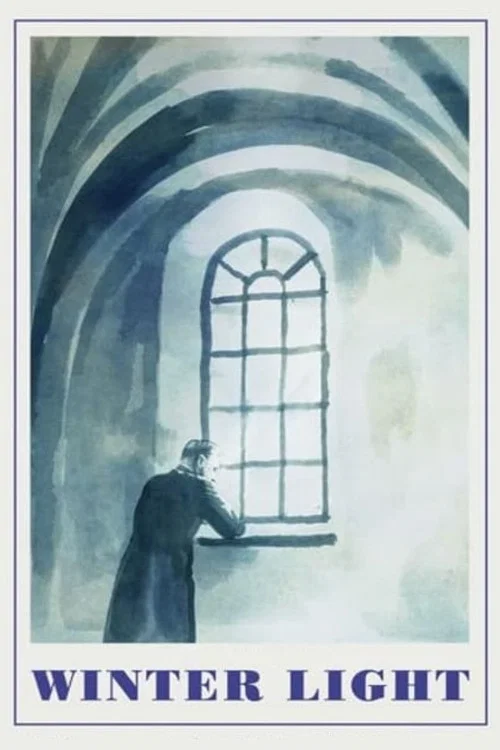
  2. Winter Light (1963) poster

    Winter Light

    Ingmar Bergman · 1963

    The only music in the film is the organ in the church. Nothing in the sound ever answers Tomas, and the quiet feels like God's own reply. By the end you hear the silence as an argument.

    Where to see it: The afternoon service: the sexton Algot asks whether God's silence hurt Christ more than his suffering, and Tomas agrees. He conducts the service anyway for a nearly empty church.

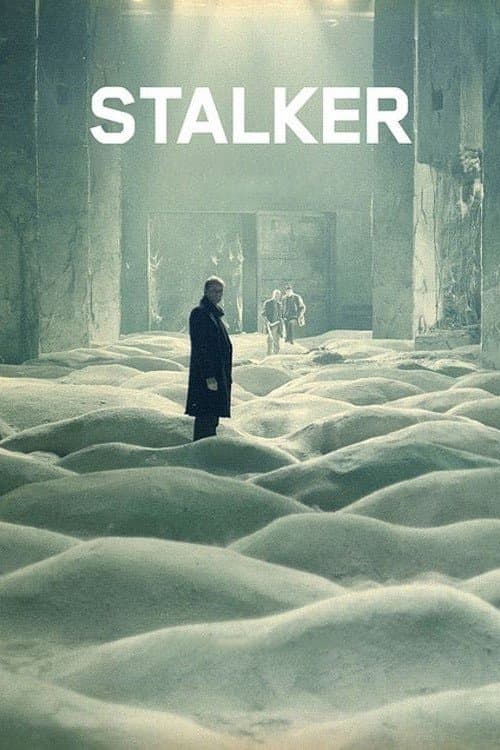
  3. Stalker (1979) poster

    Stalker

    Andrei Tarkovsky · 1979

    Tarkovsky fills the Zone with ambient sound (dripping water, wind) and blends it with Eduard Artemyev's sparse electronic score, so sound and music are hard to tell apart. The Zone stays silent and only reflects. The silence feels heavy, and Tarkovsky uses it like a Zen koan, a riddle with no logical answer. The Zone never confirms or denies its own nature, and that is the film's answer to the question of whether God exists.

    Where to see it: The long tracking shots through the Zone's waterlogged rooms. The ambient silence holds the questions the characters can't stop asking.

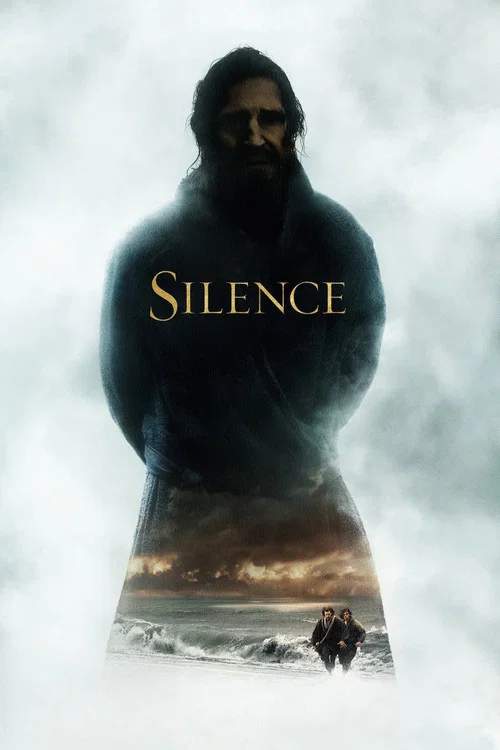
  4. Silence (2016) poster

    Silence

    Martin Scorsese · 2016

    The soundtrack leans on ocean, wind and night insects, and the music is sparse and ambient. Rodrigues prays and gets no spoken reply. The quiet becomes the film's answer, and you sit in it with him.

    Where to see it: The prison and fumi-e scenes. Rodrigues is made to watch others suffer, and the only sound around him is the world carrying on.

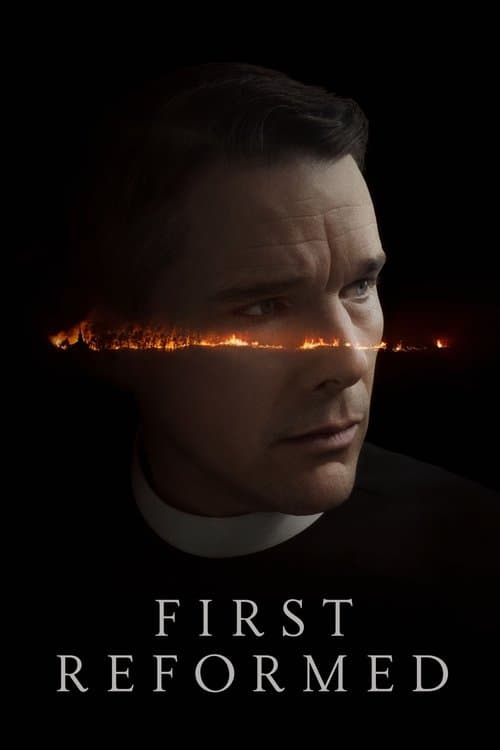
  5. First Reformed (2017) poster

    First Reformed

    Paul Schrader · 2017

    Schrader uses almost no music in First Reformed. You get the quiet of the church and the stillness of the upstate winter. Toller's prayers get more and more desperate and God doesn't answer, and the silence is how the film lets you hear that.

    Where to see it: Toller praying alone in the empty church. The silence is complete. A building designed for worship holds nothing except the background sound of a world that hasn't been saved.

Questions

Quick answers

What is theological silence design in film?
Using silence and ambient sound, with no music, as the answer to the film's central spiritual question. The lack of any reply from God is given the weight of a spoken answer.
Which films use theological silence design?
The Seventh Seal (1957), Winter Light (1963), Stalker (1979), Silence (2016), First Reformed (2017).
What kind of technique is theological silence design?
It is a sound technique. Related sound techniques include others listed on the CineCode techniques page.