Drama · History

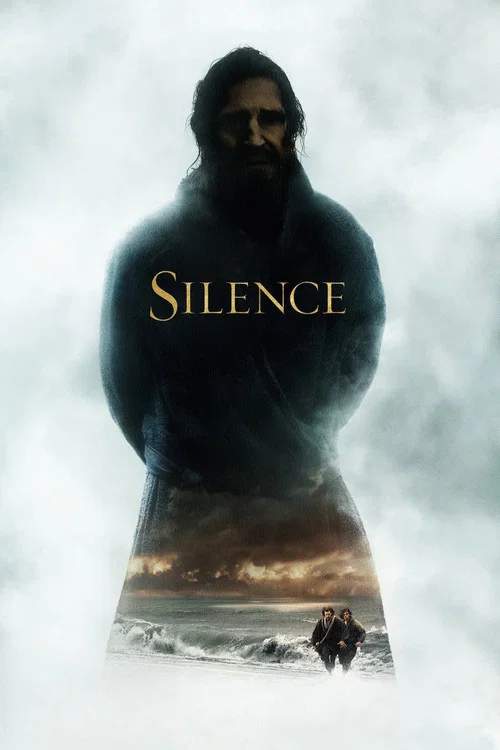
Silence

Martin Scorsese, 2016

Two Portuguese Jesuit priests travel to Japan in the 1600s to find their missing teacher, who is rumored to have renounced his faith. As Christians are tortured around them, one priest has to face what faith means when God stays quiet. It is a patient film where you listen to the landscape.

Silence (2016) poster

At a glance

Silence is a 2016 drama and history film directed by Martin Scorsese. This breakdown covers 5 techniques (1 sound, 2 cinematography and 2 narrative), each with the scene where you can see it. If you like how it is made, The Treasure of the Sierra Madre uses several of the same techniques.

Sound

Theological Silence Design

Using silence and ambient sound, with no music, as the answer to the film's central spiritual question. The lack of any reply from God is given the weight of a spoken answer.

How this film uses it

The soundtrack leans on ocean, wind and night insects, and the music is sparse and ambient. Rodrigues prays and gets no spoken reply. The quiet becomes the film's answer, and you sit in it with him.

Where to see it

The prison and fumi-e scenes. Rodrigues is made to watch others suffer, and the only sound around him is the world carrying on.
Cinematography

Landscape as Sacred Geography

Photographing real landscapes like mountains, plains and rivers so they feel mythic and full of meaning. The land becomes a spiritual and moral test the characters have to cross.

How this film uses it

The film was shot in Taiwan, in studios and on locations in Hualien County. Mist, mountains and sea cover the priests as they cross Japan in secret. The land becomes a test they have to pass.

Where to see it

The priests' crossing to Japan and their hiding in the hills. Misty slopes and sea fill the frame while they move between villages.

Narrative

Escalating Moral Stakes

Raising the ethical price of winning with each part of the story. Every compromise the characters make leads to a worse one, until they can't go back.

How this film uses it

Officials make Christians step on the fumi-e, a carved image of Christ, and spit on a cross. Each time Rodrigues holds out, other people pay for it. The price of his faith rises until a choice is forced on him.

Where to see it

The shore executions. Hostages are crucified at the water's edge and left to drown.

Cinematography

Color Grading as Psychology

Adjusting the film's overall color, such as how warm, cold or vivid it looks, to match a character's emotional state. It can also separate different realities or states of mind.

How this film uses it

Cinematographer Rodrigo Prieto drew on Baroque painters for the colors. The early part leans blue and cyan, and a golden-yellow hue comes in later. The grade shifts with how the priests' hope and certainty change.

Where to see it

The film's later stretch in Japan. The warm golden look replaces the cool blue of the early journey.

Narrative

Symbolic Object

Returning to the same physical object again and again until it means more than what it is. It moves the plot and also stands for the film's main ideas.

How this film uses it

The fumi-e and the cross appear again and again. Each time, the object is a test of faith. In the last scene, a small crude crucifix turns up in the dead man's hand, which you can read as the film's final answer.

Where to see it

Rodrigues's funeral. He is given a Buddhist burial, and his wife places a small crucifix in his hand inside the coffin.

Questions

Silence: quick answers

What filmmaking techniques does Silence use?
CineCode breaks down 5 techniques in Silence (2016): Theological Silence Design, Landscape as Sacred Geography, Escalating Moral Stakes, Color Grading as Psychology and Symbolic Object.
Who directed Silence?
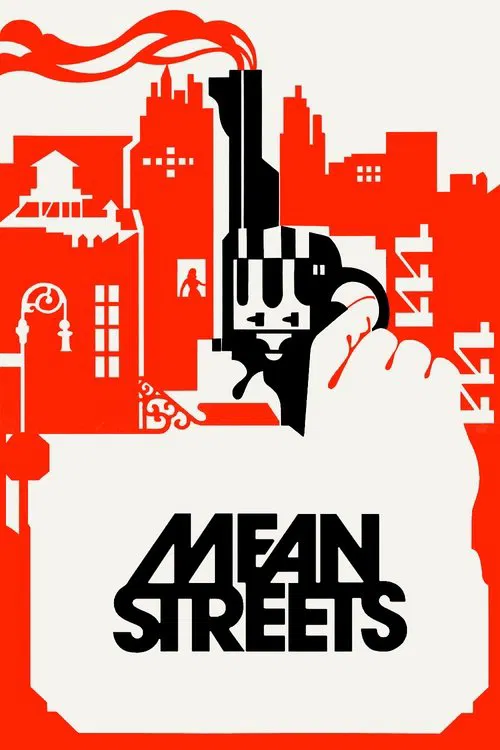
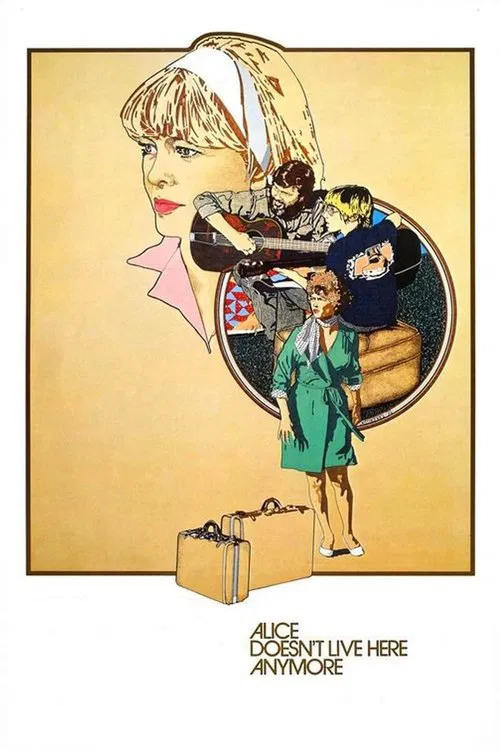
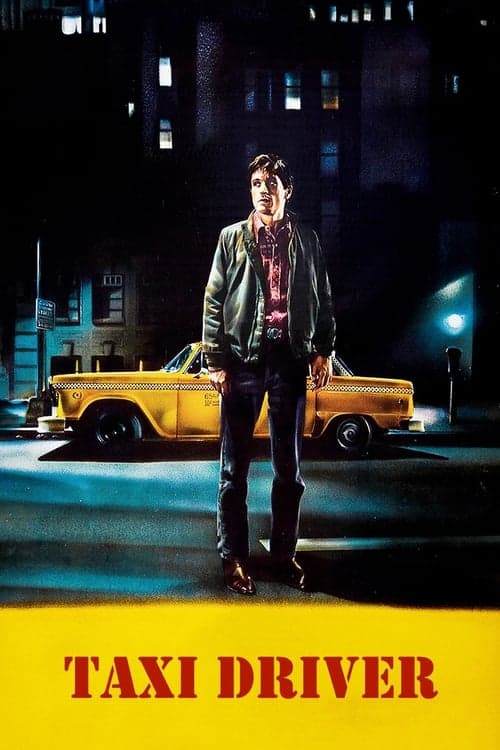
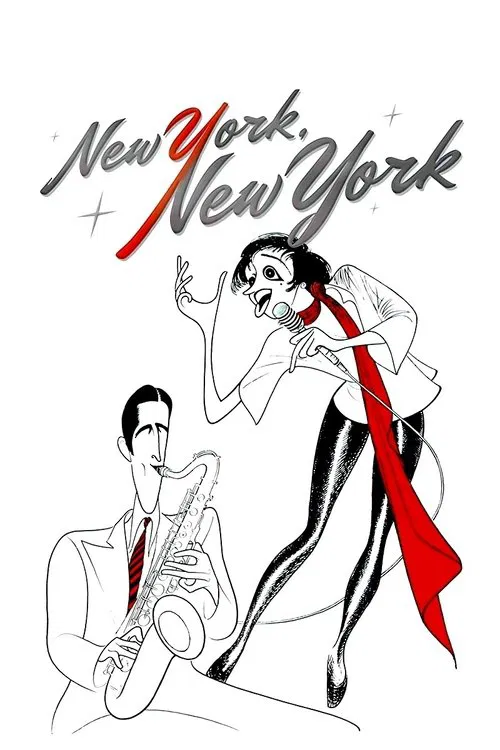
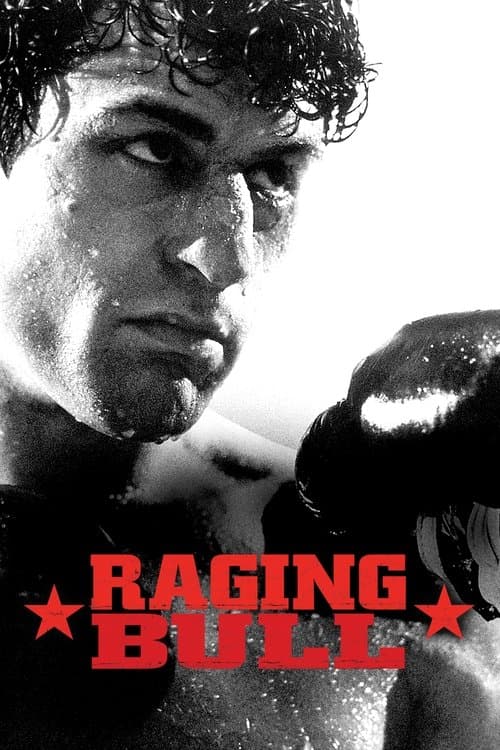
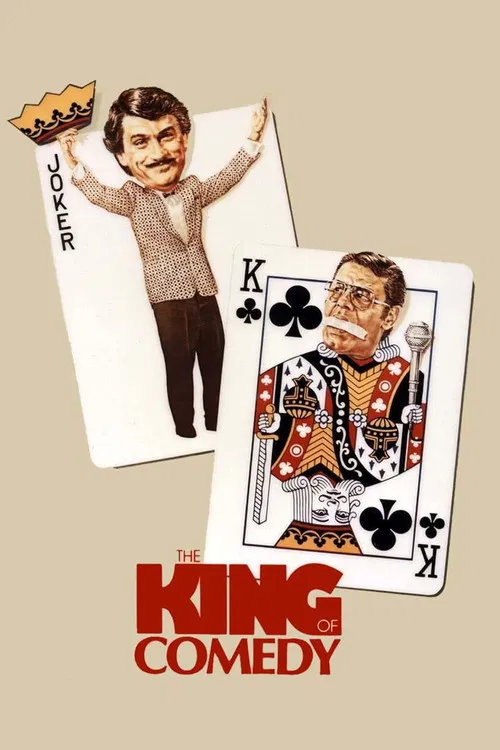
Martin Scorsese directed Silence, released in 2016. CineCode also covers Mean Streets (1973), Alice Doesn't Live Here Anymore (1974), Taxi Driver (1976), New York, New York (1977), Raging Bull (1980), The King of Comedy (1982).
What films are similar to Silence?
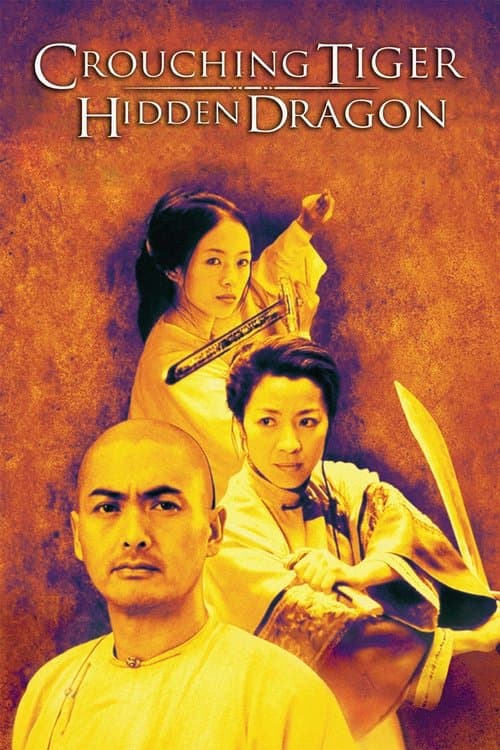
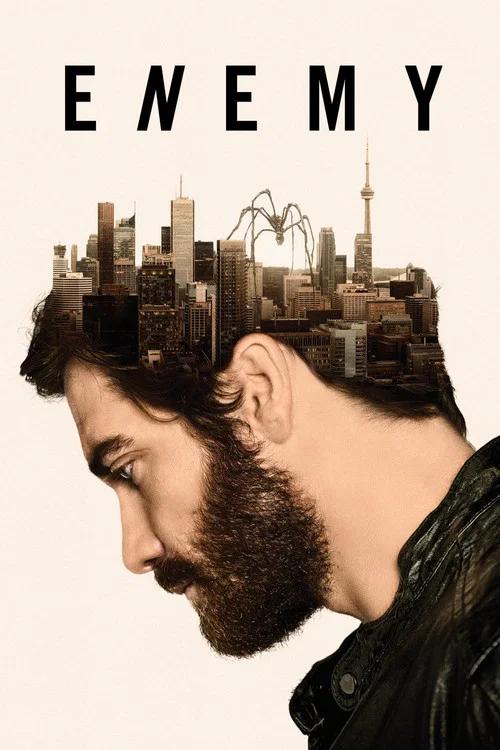
Films that share techniques with Silence include The Treasure of the Sierra Madre (1948), Stalker (1979), Crouching Tiger, Hidden Dragon (2000), Enemy (2014).