Narrative technique · used in 19 films

Escalating Moral Stakes

Raising the ethical price of winning with each part of the story. Every compromise the characters make leads to a worse one, until they can't go back.

Examples

19 films that use it

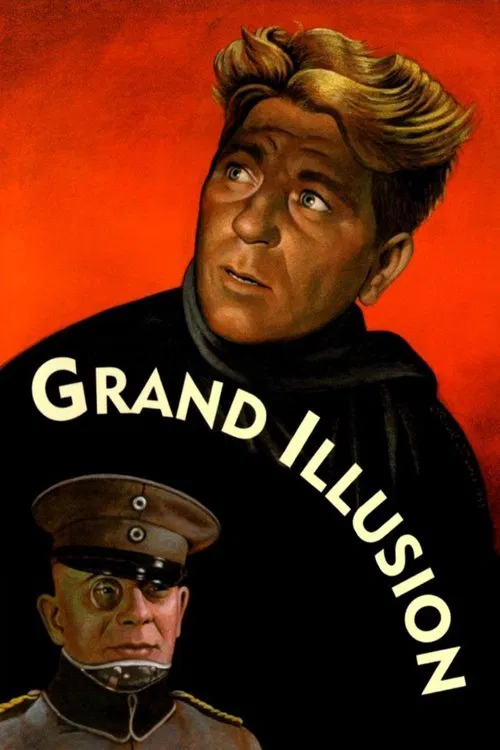
  1. Grand Illusion (1937) poster

    Grand Illusion

    Jean Renoir · 1937

    Each escape attempt costs more than the last. The price starts as an inconvenience and ends as a sacrifice. Boeldieu's death then makes it clear that the 'game' of gentlemanly war has always killed real people.

    Where to see it: Boeldieu's decision to create a distraction for his comrades. He does it knowing von Rauffenstein will be forced to shoot him.
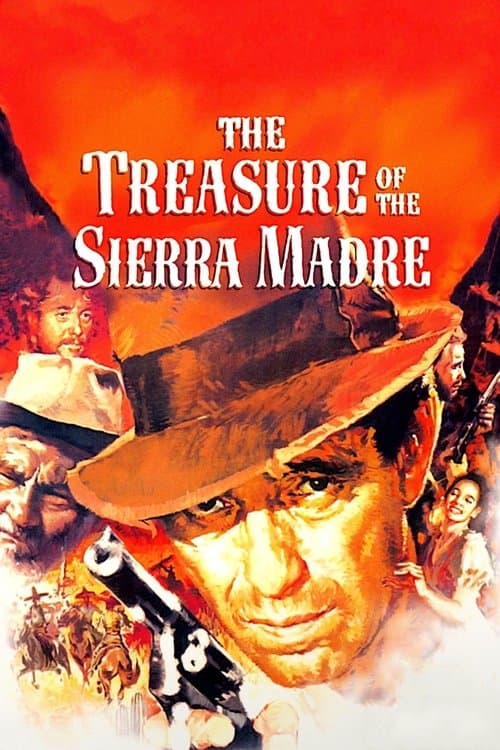
  2. The Treasure of the Sierra Madre (1948) poster

    The Treasure of the Sierra Madre

    John Huston · 1948

    Dobbs' paranoia grows in steps. First it is reasonable, then excessive, then murderous. Each step is caused by the one before it, so his mental breakdown feels like it had to happen. I feel like the gold never really corrupts Dobbs. It removes the conditions that used to keep the worst parts of his character hidden.

    Where to see it: Dobbs' night watch sequences. The paranoia shows up in small changes in how he acts. They add up to a portrait of a man eating himself alive.

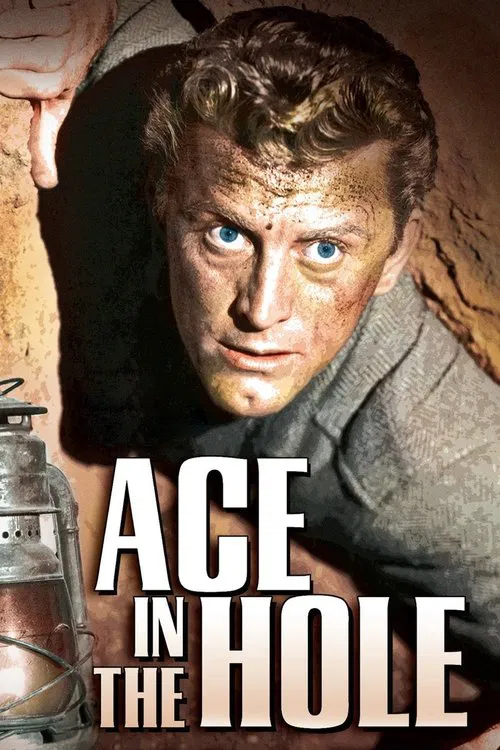
  3. Ace in the Hole (1951) poster

    Ace in the Hole

    Billy Wilder · 1951

    Each deal Tatum makes forces a worse one. He bargains with the sheriff, then pushes a longer rescue plan, then lies to his editor. You watch a man talk himself past every line.

    Where to see it: Drilling from above: Tatum and Sheriff Kretzer convince contractor Smollett to drill down from above instead of shoring up the cave. That stretches the rescue from 12 hours to a week.

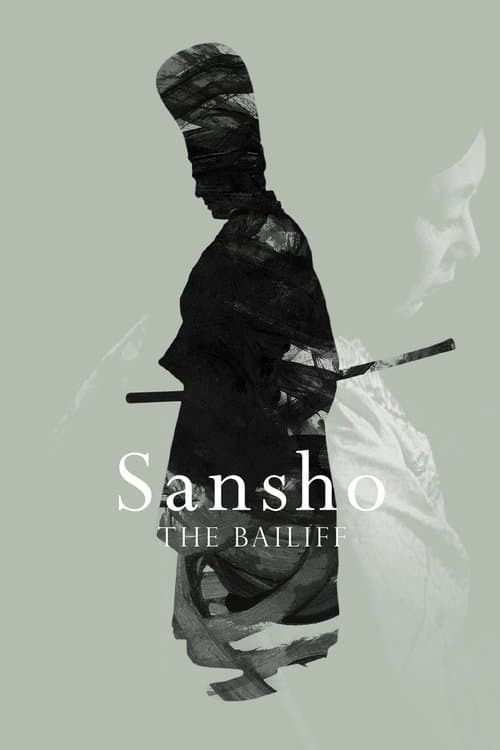
  4. Sansho the Bailiff (1954) poster

    Sansho the Bailiff

    Kenji Mizoguchi · 1954

    Each act of resistance in the labor camp costs more than the last. Freedom gets paid for with mutilation, with exile, with permanent loss. By the time Zushio makes his final choice to free the camp, you can feel what it costs.

    Where to see it: Anju's decision to drown herself. She does it to avoid recapture and make sure her brother escapes. After that, the moral stakes could not be higher.

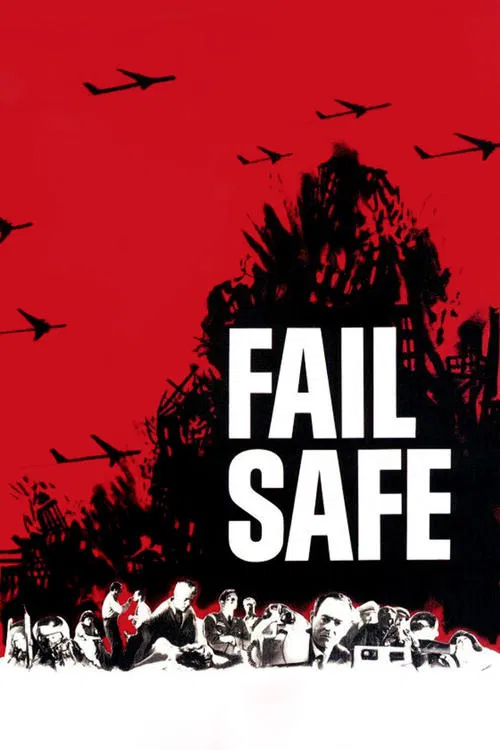
  5. Fail Safe (1964) poster

    Fail Safe

    Sidney Lumet · 1964

    Each step to avoid war costs more than the last. The President ends up offering New York in exchange for the damage done to Moscow, and every compromise leads to a worse one.

    Where to see it: The President's offer: Citing the Bible, the President proposes an eye for an eye to the Soviet Premier by sacrificing New York City to prevent a retaliatory attack.

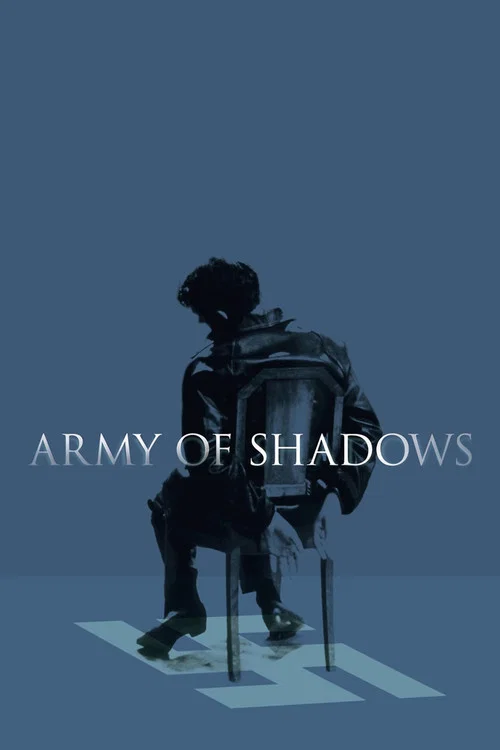
  6. Army of Shadows (1969) poster

    Army of Shadows

    Jean-Pierre Melville · 1969

    The group must do worse and worse things to survive. First they kill a traitor, then someone they love. Every compromise leads to a harder one.

    Where to see it: Mathilde's fate: after she is arrested and her daughter is threatened, the group decides she must die. Le Bison shoots her in a Paris street.

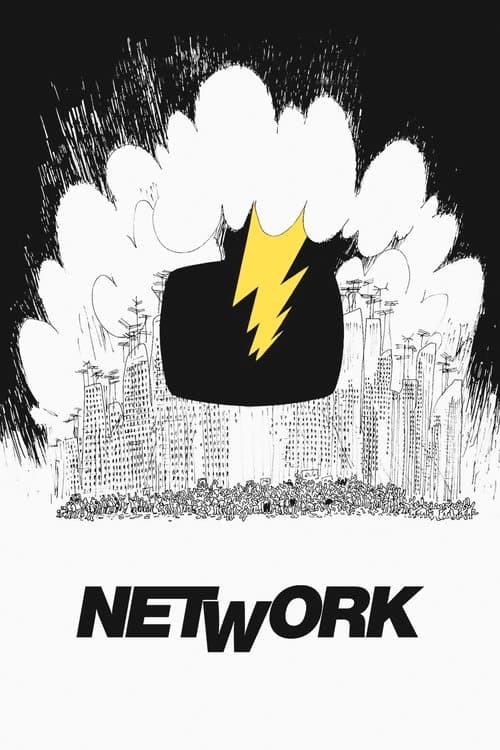
  7. Network (1976) poster

    Network

    Sidney Lumet · 1976

    The network's decisions keep getting worse. They keep Beale on air, build a show around his madness, negotiate with terrorists for programming and finally order his murder when the ratings fall. Each step follows logically from the one before. Lumet and Chayefsky show how an institution's logic, left unchecked, leads to outcomes that no individual would knowingly choose at any single step.

    Where to see it: The executives' meeting where they decide to have Beale killed on air. The decision is reached through business logic. The moral collapse is total, and no one acknowledges it.

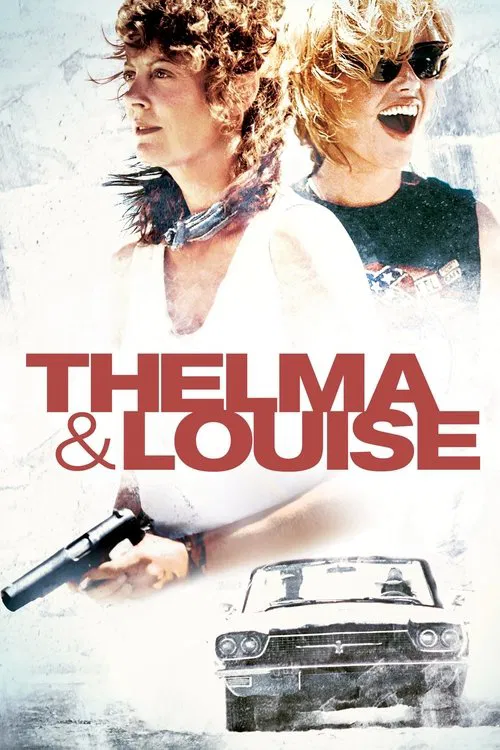
  8. Thelma & Louise (1991) poster

    Thelma & Louise

    Ridley Scott · 1991

    Each choice costs the women more. Louise shoots Harlan in a fit of rage, so they run. The store robbery makes them wanted for armed theft. Then they lock a state trooper in his trunk and blow up a fuel tanker. After the first mistake, every way out looks worse than the one before.

    Where to see it: The fuel tanker: a foul-mouthed truck driver keeps making obscene gestures at them. When he refuses to apologize, they shoot at his tanker and it explodes.

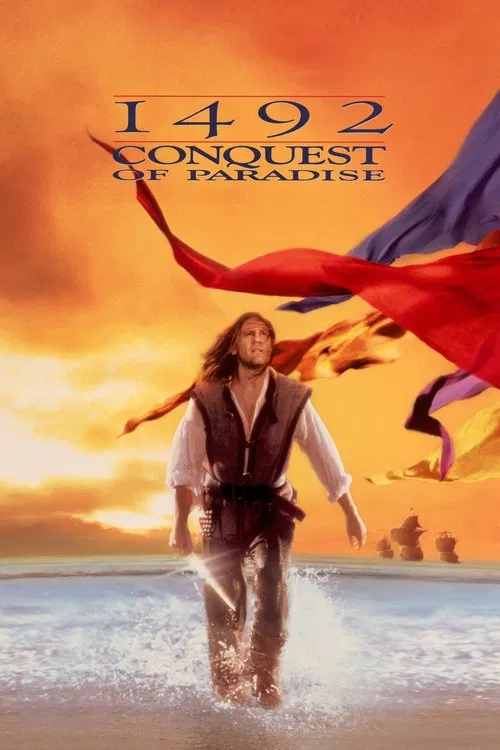
  9. 1492: Conquest of Paradise (1992) poster

    1492: Conquest of Paradise

    Ridley Scott · 1992

    The first meeting with the island people is friendly. On the second trip, the men Columbus left behind turn out to be dead. Later the natives are forced to mine for gold, and the nobleman Moxica cuts off a man's hand when he finds none. Each step makes the next one harder to undo, until the island is at war.

    Where to see it: The gold mine: four years later, the natives are forced to dig for gold. After Moxica cuts off one man's hand, the tribes disappear into the forest.

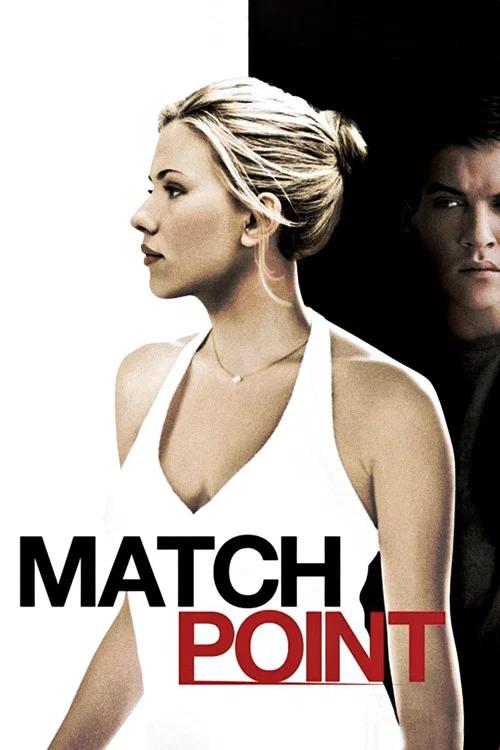
  10. Match Point (2005) poster

    Match Point

    Woody Allen · 2005

    Chris starts by lying to Chloe about the affair, then lies to both women. When Nola becomes pregnant and wants him to leave Chloe, the price of keeping his comfortable life goes up again. Each choice leads to a worse one until murder looks like the only way out.

    Where to see it: The confrontation outside his apartment. Nola threatens to tell Chloe everything, and Chris decides to deal with it.

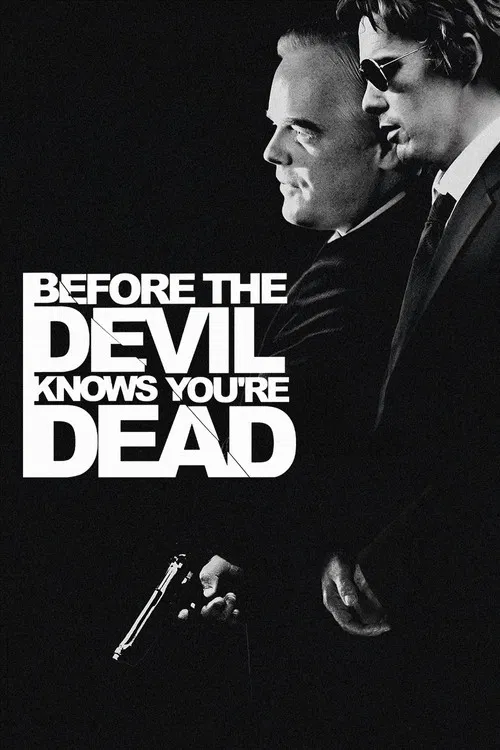
  11. Before the Devil Knows You're Dead (2007) poster

    Before the Devil Knows You're Dead

    Sidney Lumet · 2007

    Andy sells the robbery to Hank as a crime with no victims, since the store is insured and only an older employee should be there. Each fix for the first mistake costs more than the last, and the story moves from theft to blackmail to killing.

    Where to see it: The shootout in the jewelry store. Their mother is covering the counter, and the plan that was meant to hurt nobody ends with Bobby dead and her mortally wounded.

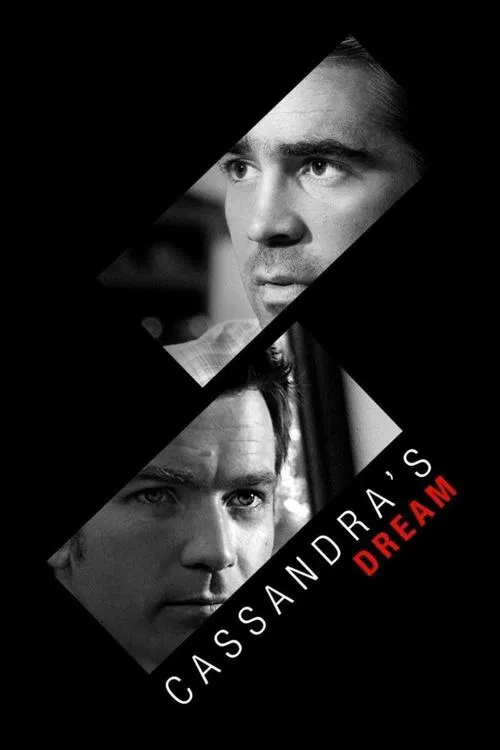
  12. Cassandra's Dream (2007) poster

    Cassandra's Dream

    Woody Allen · 2007

    The brothers begin by wanting money for a new life, then agree to kill Howard's former partner. After the murder, Ian goes further and agrees with Howard that Terry has to go too. Each step costs more than the last, and there is no way back.

    Where to see it: The plan to kill Terry. Ian takes Howard's advice that there is no other choice and prepares to poison his own brother on the boat.

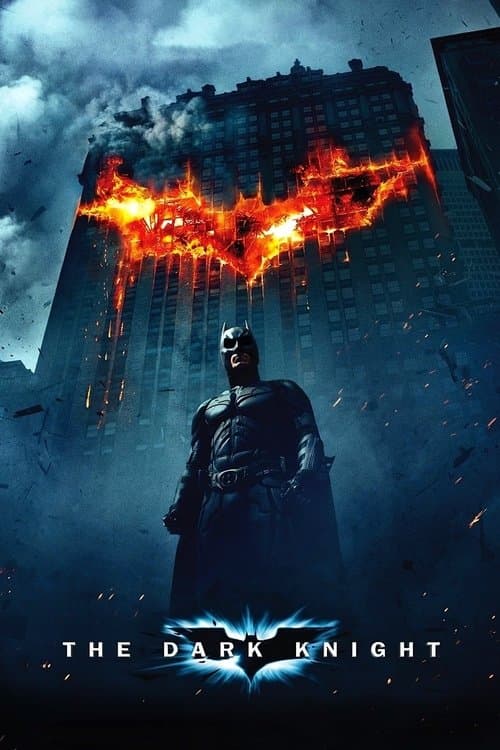
  13. The Dark Knight (2008) poster

    The Dark Knight

    Christopher Nolan · 2008

    Nolan moves Batman from physical fights to mass surveillance to taking responsibility for Harvey Dent's crimes. Each step demands a bigger moral sacrifice. By the end, Batman has won by becoming what he feared.

    Where to see it: The sonar surveillance sequence. After it comes the decision to take on Dent's murders.

  14. Thirst (2009) poster

    Thirst

    Park Chan-wook · 2009

    He steals blood, starts an affair, kills Kang-woo and then turns Tae-ju into a vampire. Each step is a worse compromise than the last. By the end, there is no way back for either of them.

    Where to see it: The fishing trip killing. Sang-hyun pulls Kang-woo into the lake, and the priest becomes a murderer.

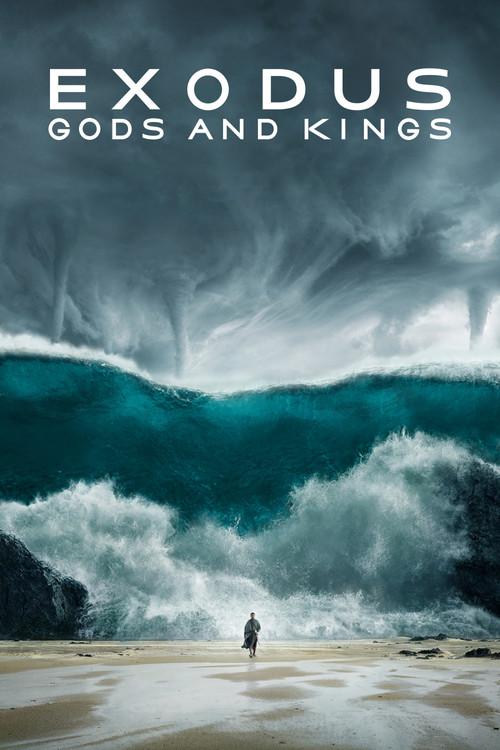
  15. Exodus: Gods and Kings (2014) poster

    Exodus: Gods and Kings

    Ridley Scott · 2014

    The plagues begin as a show of God's power and get worse until the tenth, the death of every firstborn child. Moses is horrified but follows through, and Ramesses's infant son dies. Each step makes it harder to say that winning was worth the cost.

    Where to see it: The tenth plague: the Hebrews mark their doors with lambs' blood, and that night Egypt's firstborn children die, including Ramesses's infant son.

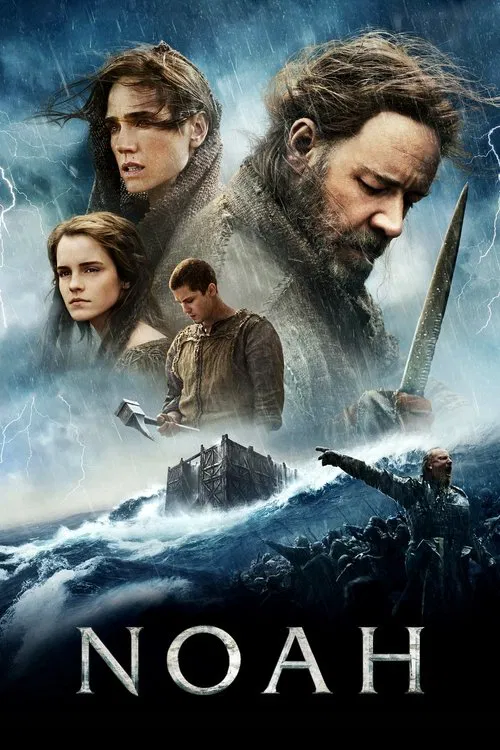
  16. Noah (2014) poster

    Noah

    Darren Aronofsky · 2014

    Each part of the story asks Noah to give up something more. First he must save only his family, then he decides the family must end with him. By the time the babies are born, the stakes are the hardest ones.

    Where to see it: The births. Ila gives birth to twin girls, and Noah has to choose whether to keep his vow.

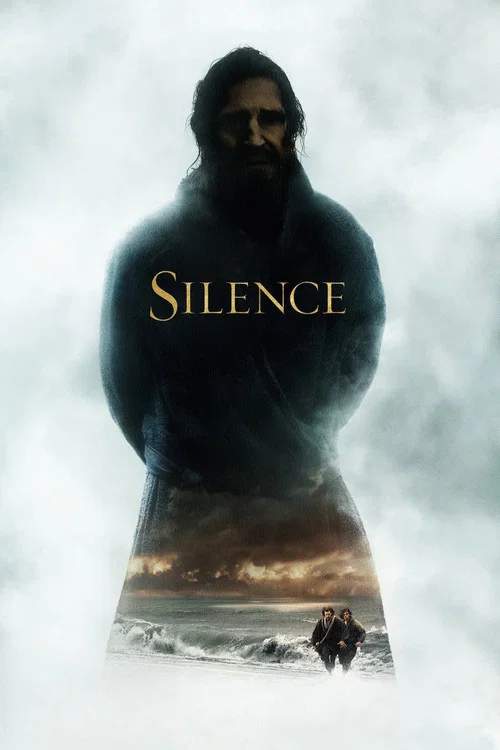
  17. Silence (2016) poster

    Silence

    Martin Scorsese · 2016

    Officials make Christians step on the fumi-e, a carved image of Christ, and spit on a cross. Each time Rodrigues holds out, other people pay for it. The price of his faith rises until a choice is forced on him.

    Where to see it: The shore executions. Hostages are crucified at the water's edge and left to drown.

  18. Yesterday (2019) poster

    Yesterday

    Danny Boyle · 2019

    Jack takes credit for 1 song, then another. A local TV slot leads to opening for Ed Sheeran in Moscow, then a deal in Los Angeles. Each win raises the cost of telling the truth.

    Where to see it: The Moscow songwriting duel. Jack beats Ed Sheeran by playing 'The Long and Winding Road', and the lie gets bigger.

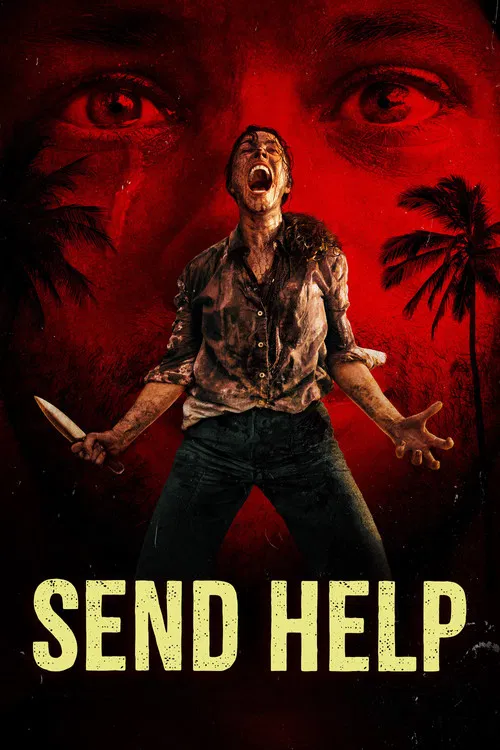
  19. Send Help (2026) poster

    Send Help

    Sam Raimi · 2026

    Each move on the island costs more than the last. Linda leaves Bradley alone for 2 days, he poisons their food, and she answers with a worse punishment. You keep asking how far each of them will go.

    Where to see it: The poisoned food and the raft. Bradley poisons their food with berries so he can escape on a raft. Waves destroy the raft, and Linda rescues him.

Questions

Quick answers

What is escalating moral stakes in film?
Raising the ethical price of winning with each part of the story. Every compromise the characters make leads to a worse one, until they can't go back.
Which films use escalating moral stakes?
Grand Illusion (1937), The Treasure of the Sierra Madre (1948), Ace in the Hole (1951), Sansho the Bailiff (1954), Fail Safe (1964), Army of Shadows (1969) and 13 more films in the CineCode library.
What kind of technique is escalating moral stakes?
It is a narrative technique. Related narrative techniques include Character Arc Inversion, Symbolic Object, Earned Catharsis.