Cinematography technique · used in 20 films

Landscape as Sacred Geography

Photographing real landscapes like mountains, plains and rivers so they feel mythic and full of meaning. The land becomes a spiritual and moral test the characters have to cross.

Examples

20 films that use it

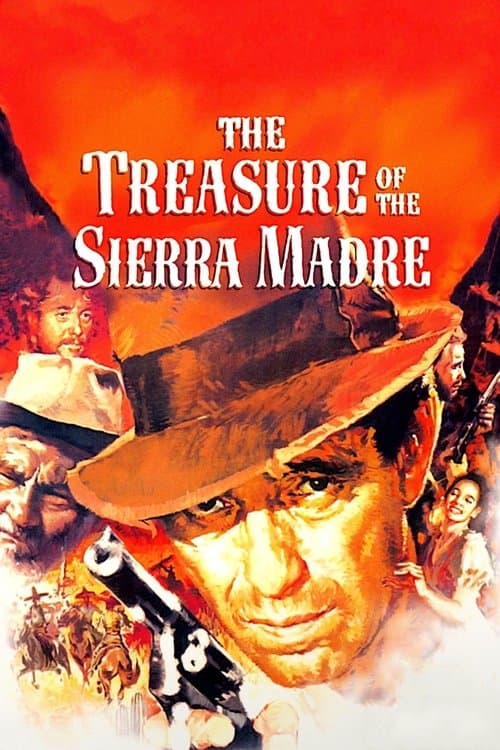
  1. The Treasure of the Sierra Madre (1948) poster

    The Treasure of the Sierra Madre

    John Huston · 1948

    The Sierra Madre mountains are where the gold comes from, and they are also where the film tests the men's morals. Every climb toward the mine takes the men further down into their worst selves. The landscape doesn't care about their greed and isn't changed by their destruction. The mountains outlast all of them.

    Where to see it: The final irony. The wind blows the gold dust back into the mountains, and the landscape takes back what the men killed for.
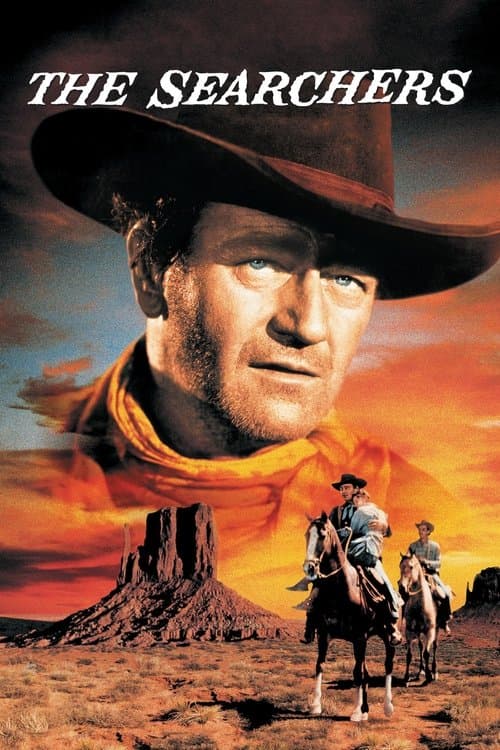
  2. The Searchers (1956) poster

    The Searchers

    John Ford · 1956

    In Ford's film, Monument Valley is the stage where right and wrong get played out. Its red mesas frame every act of violence and every failure of conscience. The landscape is so beautiful that it starts to feel like part of what happens inside it.

    Where to see it: The film's iconic closing shot. Ethan is framed in the doorway against the vast landscape. He can't step inside into home life, and the door closes on him.

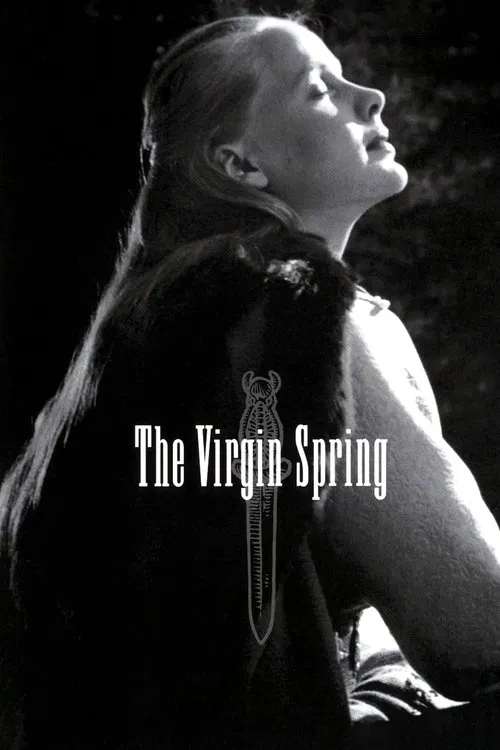
  3. The Virgin Spring (1960) poster

    The Virgin Spring

    Ingmar Bergman · 1960

    The forest and the mill are places where good and evil meet. Old pagan figures and Christian faith both haunt the same ground. A spring rising at the end turns the place into something holy.

    Where to see it: The mill: Ingeri, who secretly worships Odin, meets a one-eyed man who offers her power, and she flees.

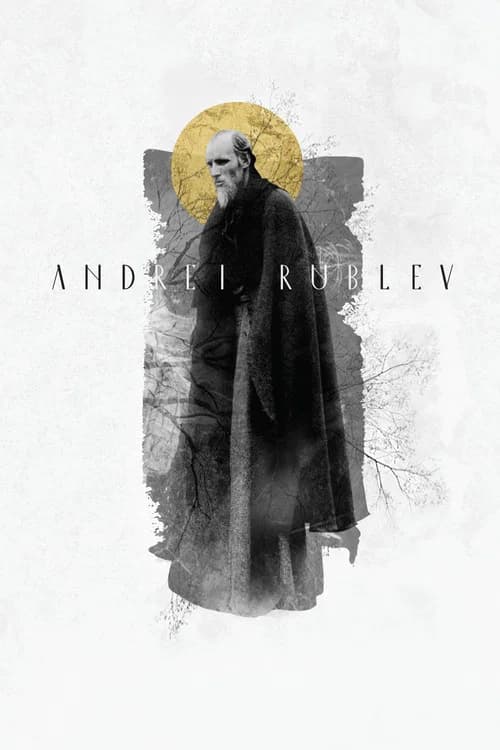
  4. Andrei Rublev (1966) poster

    Andrei Rublev

    Andrei Tarkovsky · 1966

    Medieval Russia in Tarkovsky's film is mud, water, fog and grey sky. The landscape is physically accurate and spiritually charged at the same time. Characters move through it as if it records every step. Once again, the point is spiritual. The icon painter's relationship to this earth is the center of the film.

    Where to see it: The winter sequences. You see the Russian landscape in snow and mud. Moving through it feels like finding a way through both history and faith.

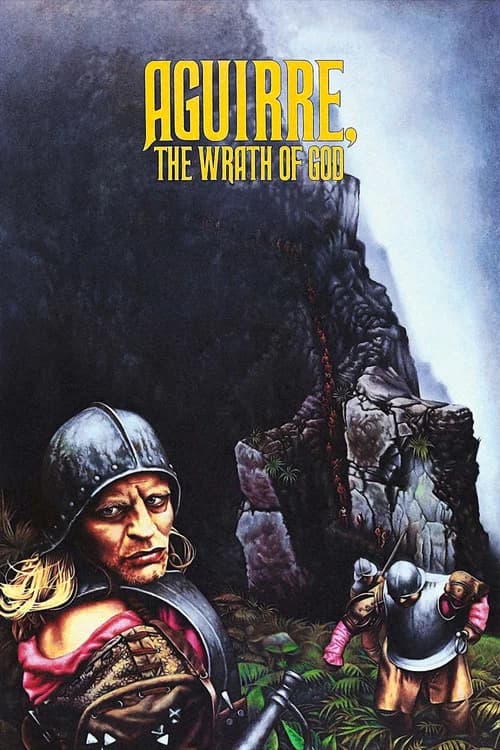
  5. Aguirre, the Wrath of God (1972) poster

    Aguirre, the Wrath of God

    Werner Herzog · 1972

    The Amazon does not care about the conquistadors, and that slowly becomes overwhelming. Herzog films the river, the jungle and the mist as a world with no place for human ambition. It simply goes on, swallows things and silences them. The landscape is sacred in the sense that it can't be translated. It sits beyond human meaning, and humans still have to find their way through it.

    Where to see it: The raft sequences on the river. The jungle closes in around the expedition. The main thing the images tell you is that the landscape has no interest in human purpose.

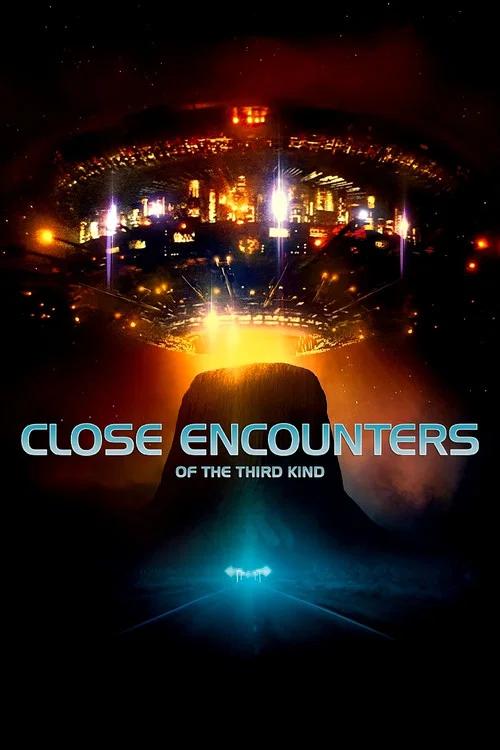
  6. Close Encounters of the Third Kind (1977) poster

    Close Encounters of the Third Kind

    Steven Spielberg · 1977

    Devils Tower in Wyoming is a real mountain, and the film treats it like a holy place. Roy and Jillian feel its pull before they know where it is. The land becomes the destination for a kind of pilgrimage.

    Where to see it: The approach to Devils Tower. Roy and Jillian reach the mountain after the Army has evacuated the area with a false story about a toxic spill.

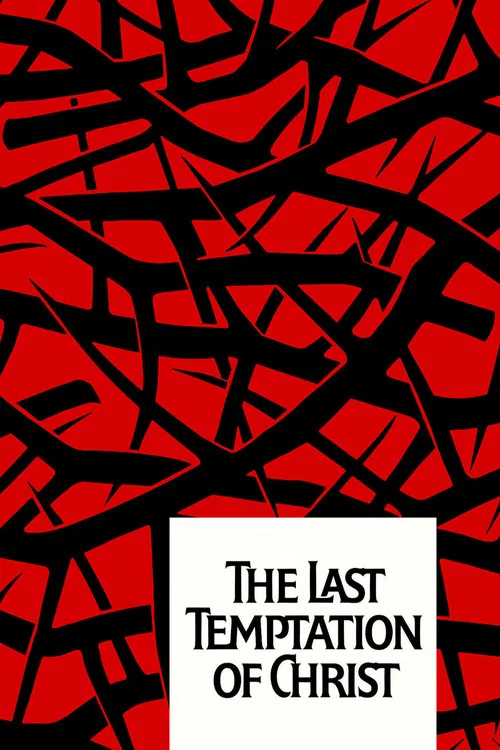
  7. The Last Temptation of Christ (1988) poster

    The Last Temptation of Christ

    Martin Scorsese · 1988

    The film was shot in Morocco, with Oumnast standing in for Nazareth and Magdala and Meknes for Jerusalem. The desert looks bare and ancient. It becomes a place where faith is tested.

    Where to see it: The desert temptation: after his baptism, Jesus resists Satan's temptations in the wilderness.

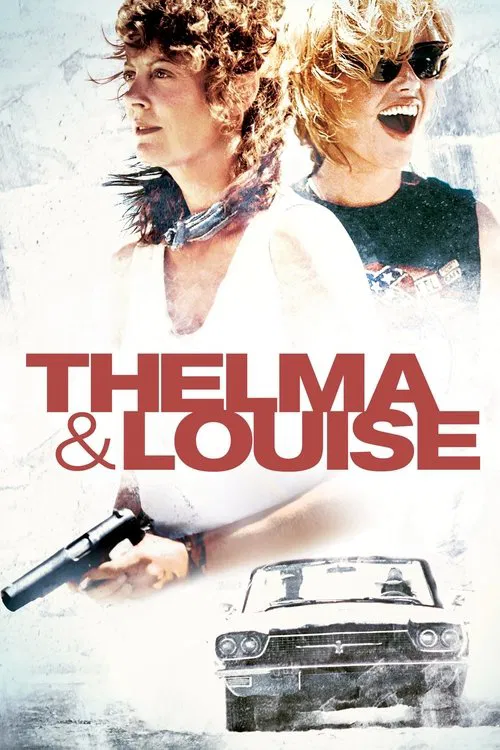
  8. Thelma & Louise (1991) poster

    Thelma & Louise

    Ridley Scott · 1991

    The story is set on a route from Arkansas to the Grand Canyon, though most of it was shot in California and Utah. Open desert, red rock and long straight roads give the trip a mythic feel. The canyon at the end works like a final test, and the women face it on their own terms. This is one way to read it.

    Where to see it: The final chase: after the FBI finds them, the women lead police on a high-speed run through the desert until they are cornered about 100 yards from the Grand Canyon.

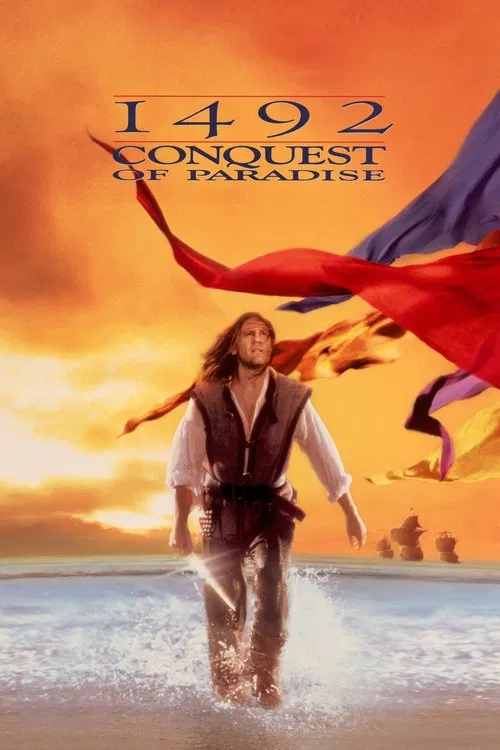
  9. 1492: Conquest of Paradise (1992) poster

    1492: Conquest of Paradise

    Ridley Scott · 1992

    After 9 weeks of open ocean, the mist clears and the crew sees the lush vegetation and sandy beaches of Guanahani. The New World scenes were shot on Costa Rica's Pacific coast, where about 10 sets were built on real beaches. The land looks like a paradise, which makes what follows feel like a fall.

    Where to see it: The landfall: out of the mist, Columbus and his crew see the green shore of Guanahani.

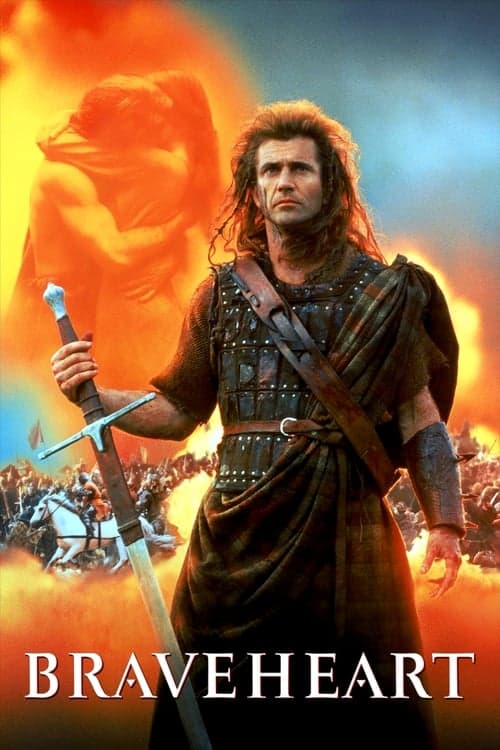
  10. Braveheart (1995) poster

    Braveheart

    Mel Gibson · 1995

    The Scottish Highlands carry the film's argument. Gibson shoots the mist-covered hills and open glens as a homeland worth dying for. The camera's reverence for the land makes the emotional case for rebellion as much as any dialogue does.

    Where to see it: The opening and closing Highland sequences. The land itself is the cause Wallace can't put into words and can't give up.

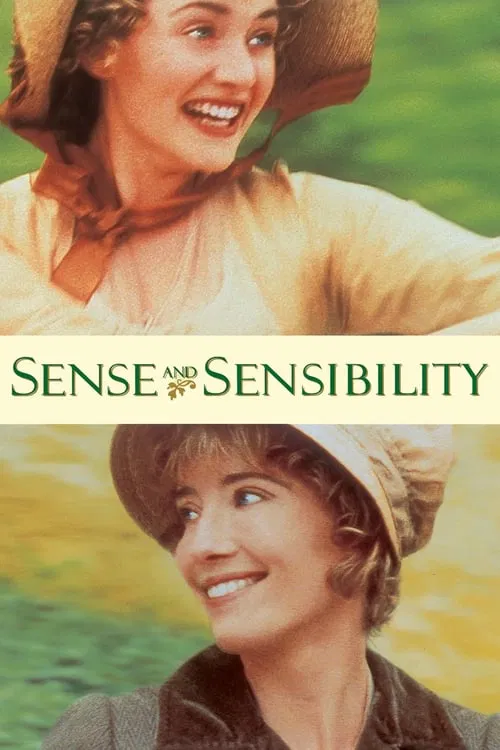
  11. Sense and Sensibility (1995) poster

    Sense and Sensibility

    Ang Lee · 1995

    Marianne's first meeting with Willoughby happens on a rainy hill, and her later walk in the rain leads to a near-fatal illness. The weather and the open land make her feelings physical. Lee shot the hill scene around 50 times, and Kate Winslet collapsed from hypothermia.

    Where to see it: Marianne in the rain. She is caught in the rain on a hill and Willoughby rescues her. Later she walks a long way in torrential rain to see his estate, falls seriously ill and is rescued by Colonel Brandon.

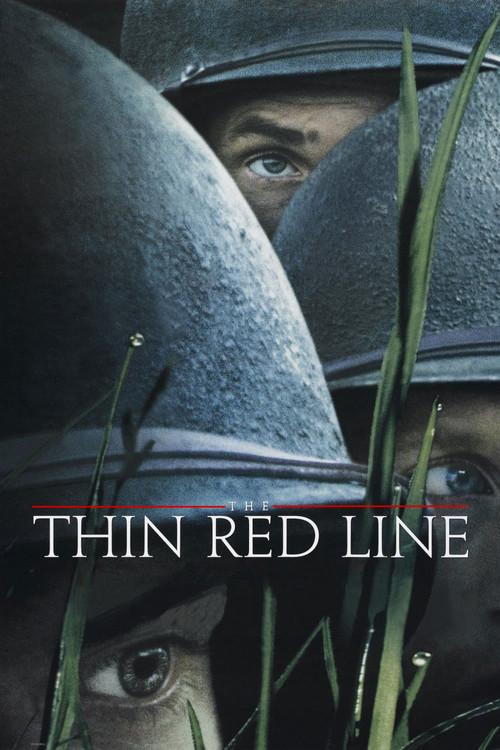
  12. The Thin Red Line (1998) poster

    The Thin Red Line

    Terrence Malick · 1998

    Most of the film was shot in Australia's Daintree Rainforest. Malick often points the camera away from the fighting to a parrot, a branch or other wildlife. The land goes on as before, and it seems older than the war.

    Where to see it: The opening with Witt. Private Witt has gone AWOL to live among Melanesian islanders until the army finds him.

  13. Crouching Tiger, Hidden Dragon (2000) poster

    Crouching Tiger, Hidden Dragon

    Ang Lee · 2000

    The western desert, Mount Wudang, the bamboo forest and Beijing are moral territories. Each one tests the characters in a different way. The desert is where Jen learns freedom and the bamboo forest is where Li Mu Bai and Jen duel. Each landscape has its own link to the film's ideas about duty and desire.

    Where to see it: The bamboo forest duel. Li Mu Bai and Jen fight up at the height of the treetops. The forest is unstable and beautiful, which matches their unresolvable relationship exactly.

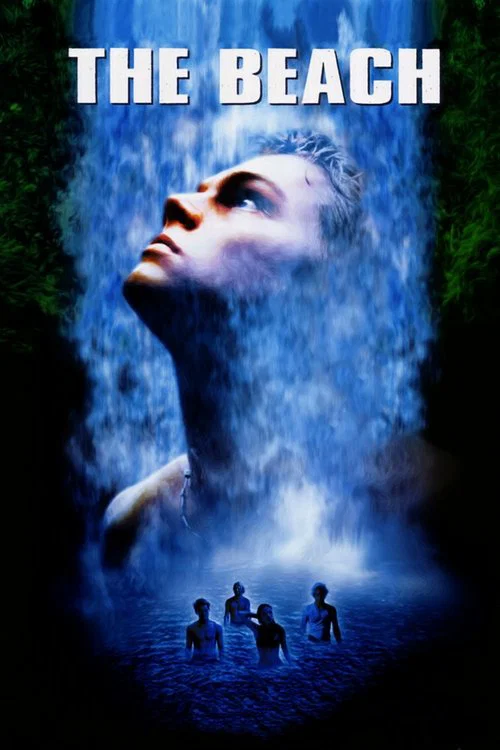
  14. The Beach (2000) poster

    The Beach

    Danny Boyle · 2000

    The film was shot on the Thai island of Ko Phi Phi Le, and the cliffs, waterfall and hidden beach feel like a place the characters must earn. The land becomes a test they cross to reach the community.

    Where to see it: Waterfall jump: Richard, Françoise and Étienne cross the island, avoid armed farmers, jump off a large waterfall and meet Keaty, who takes them to the community.

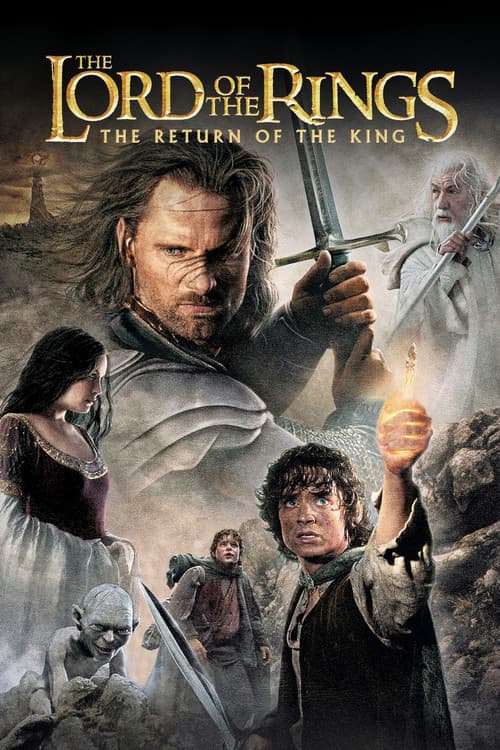
  15. The Lord of the Rings: The Return of the King (2003) poster

    The Lord of the Rings: The Return of the King

    Peter Jackson · 2003

    Andrew Lesnie's cinematography turns New Zealand into Middle-earth by shooting at a huge scale, with long lenses pointed at mountain ranges and volcanic plains. The landscapes are where the action happens, and they also stand for moral states: Gondor's white peaks, Mordor's ash wastes.

    Where to see it: The Pelennor Fields battle. A wide shot takes in Rohan's charge across an entire valley.

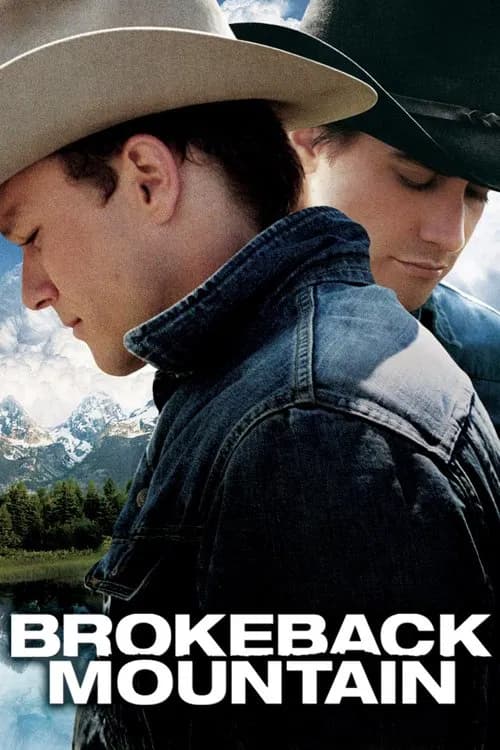
  16. Brokeback Mountain (2005) poster

    Brokeback Mountain

    Ang Lee · 2005

    Brokeback Mountain is the only place in the film where Ennis and Jack are fully themselves. It holds the only freedom they ever have. Each time the mountain comes back over the 20 years, you can measure everything they have lost.

    Where to see it: The final scene. In his trailer, Ennis stands before a postcard of Brokeback Mountain tacked to his closet door beside Jack's shirt. The mountain survives only as a picture, and the men who loved each other on it are gone.

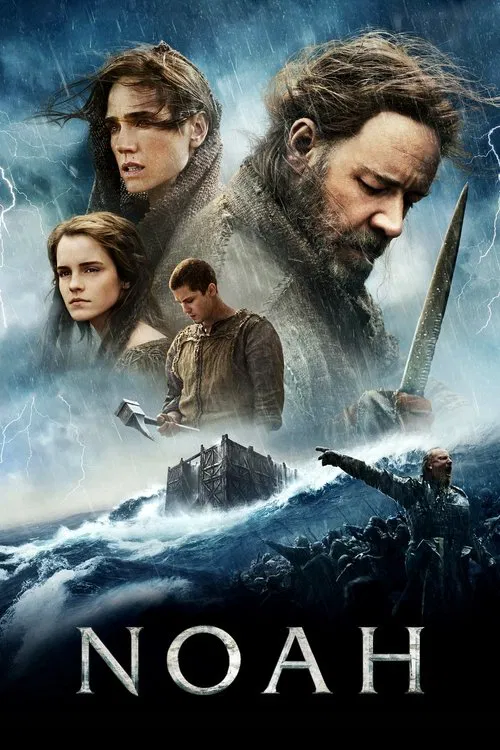
  17. Noah (2014) poster

    Noah

    Darren Aronofsky · 2014

    Principal photography took place in southern Iceland, and the bare volcanic ground looks like the start of the world. The land feels both ancient and hostile. It makes the story seem to happen at the edge of time. Your eye reads the place as a test before any character speaks.

    Where to see it: Noah seeks Methuselah. After his dream of a great flood, he goes to his grandfather for guidance.

  18. The Revenant (2015) poster

    The Revenant

    Alejandro G. Iñárritu · 2015

    The American wilderness is the film's villain, its moral test and finally its judge. The landscape doesn't care whether Glass survives, and that is the scariest thing in the film. The land is sacred here in the sense that it can't be translated. It lies beyond human meaning, and a human still has to find a way across it.

    Where to see it: Glass's crawl across the frozen landscape. The mountains and snow fields are filmed as a world that does not care at all. Survival comes down to a stubborn body against a place that takes no notice of it.

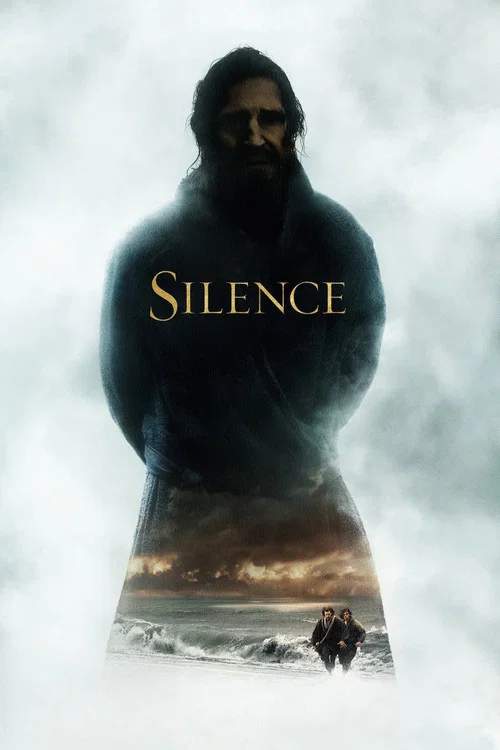
  19. Silence (2016) poster

    Silence

    Martin Scorsese · 2016

    The film was shot in Taiwan, in studios and on locations in Hualien County. Mist, mountains and sea cover the priests as they cross Japan in secret. The land becomes a test they have to pass.

    Where to see it: The priests' crossing to Japan and their hiding in the hills. Misty slopes and sea fill the frame while they move between villages.

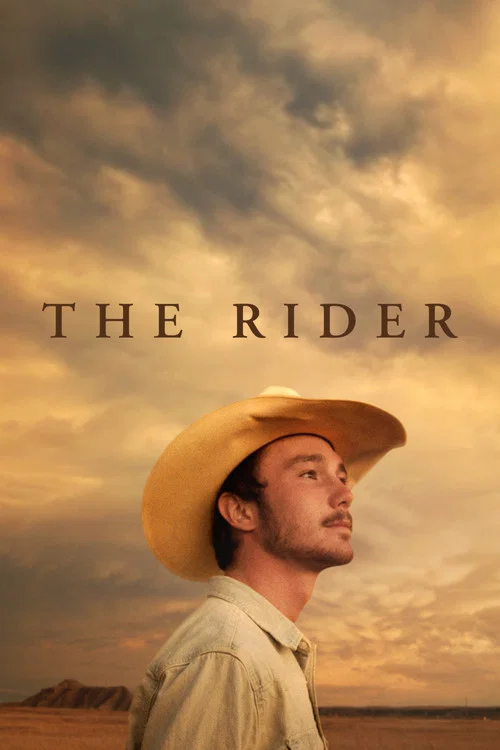
  20. The Rider (2018) poster

    The Rider

    Chloé Zhao · 2018

    The Badlands of South Dakota give the story a sense of myth. The wide land and open sky carry the sense that horses and riding are the center of Brady's life. Without them, he is lost in a landscape he loves.

    Where to see it: Badlands: the film was shot in the Badlands of South Dakota. Brady rides and trains horses there, even though doctors warn him not to.

Questions

Quick answers

What is landscape as sacred geography in film?
Photographing real landscapes like mountains, plains and rivers so they feel mythic and full of meaning. The land becomes a spiritual and moral test the characters have to cross.
Which films use landscape as sacred geography?
The Treasure of the Sierra Madre (1948), The Searchers (1956), The Virgin Spring (1960), Andrei Rublev (1966), Aguirre, the Wrath of God (1972), Close Encounters of the Third Kind (1977) and 14 more films in the CineCode library.
What kind of technique is landscape as sacred geography?
It is a cinematography technique. Related cinematography techniques include others listed on the CineCode techniques page.