Comparison · 3 shared techniques

Unforgiven vs Hell or High Water

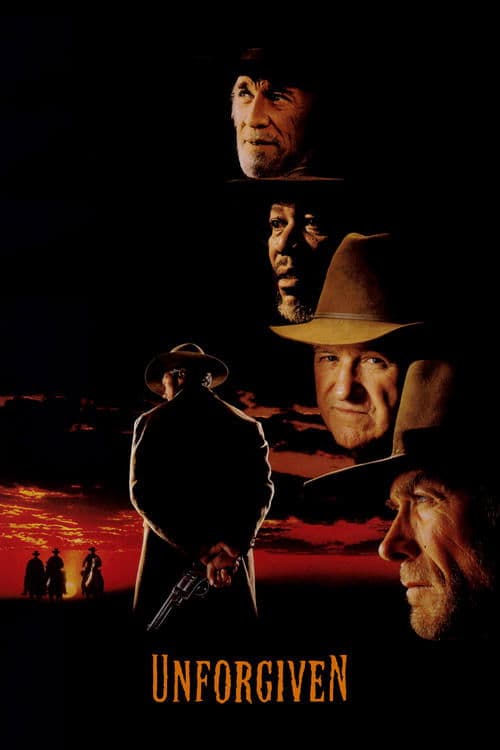
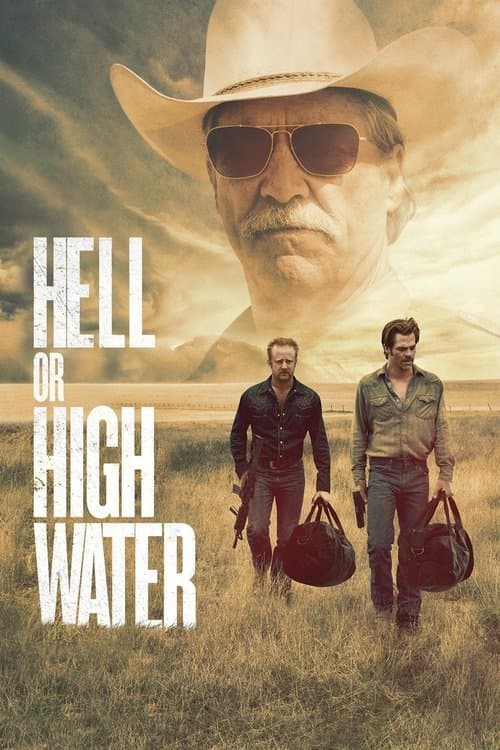
Unforgiven (1992) and Hell or High Water (2016) share 3 techniques. Here is how each film uses them.

Shared

Same technique, two films

Revisionist Genre Argument

Using a genre's familiar rules, like its heroes and its violence, to take those rules apart. The film turns your expectations into a political point the genre usually avoids.

Unforgiven

Eastwood sets up every element of a classic Western (the retired gunslinger, the frontier town, the cold sheriff). Then he takes the glamour out of each one, step by step. What is left is violence that is ugly, trauma that is permanent and heroism that is a myth.

Hell or High Water

Taylor Sheridan sets the bank robbery inside the moral world of the Western and then flips it. The banks are the outlaws and the brothers are the farmers who lost their land. The Ranger is the lawman enforcing a system the film exposes as corrupt. Once again, the genre gets rearranged to point at the actual theft.

Triangulated Moral Ambiguity

Spreading good and bad qualities across 3 or more characters, where most stories use 2 sides. Nobody is purely the hero or the villain, so you can't easily pick who to root for.

Unforgiven

Munny is the reluctant killer. Little Bill is the lawman who is worse than the criminals he controls. Beauchamp is the writer who turns violence into legend. Each one exposes the hypocrisy of the others, and none of them offers a better way.

Hell or High Water

Toby stands for moral necessity, Tanner for recklessness and Marcus for institutional authority. Mackenzie refuses to make any of the 3 the hero. The film's morals play out as a conversation between their positions, and it never arrives at a verdict.

Observational Restraint

Watching events from a measured distance with no swelling music, tear-jerking close-ups or showy camera moves. The film trusts what happens to carry the weight on its own.

Unforgiven

Eastwood won't put heroic music over the killings or justify them morally. The camera watches the results of violence with the same flat attention it gives to pigs and mud.

Hell or High Water

Mackenzie films the brothers' relationship with no backstory. You see how they are with each other in how they argue, how they protect each other and how they share silence. Their love comes through in behavior, and no scene of open emotion ever spells it out.

Different

Where they split

Only in Unforgiven

Only in Hell or High Water