Cinematography technique · used in 22 films

Small Town as Moral Geography

Treating a small town as more than a setting. Its buildings, lighting and relationships show the community's values and limits, which shape what the characters can do and what gets destroyed.

Examples

22 films that use it

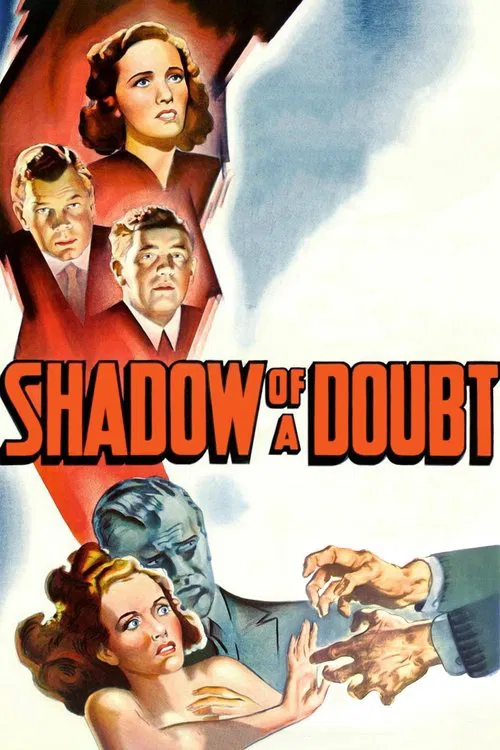
  1. Shadow of a Doubt (1943) poster

    Shadow of a Doubt

    Alfred Hitchcock · 1943

    Hitchcock shot on location in Santa Rosa, a real town with real streets and front porches. The town looks so safe that nobody can imagine a murderer in it. That trust is exactly what lets Uncle Charlie hide there.

    Where to see it: Charlie's rush to the town library. She runs through downtown Santa Rosa at night and finds the newspaper story about the Merry Widow Murderer that her uncle tried to hide.
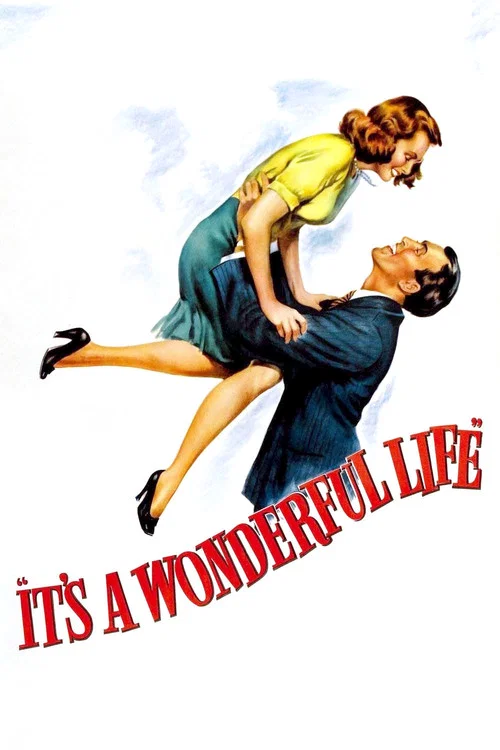
  2. It's a Wonderful Life (1946) poster

    It's a Wonderful Life

    Frank Capra · 1946

    Cinematographer Joseph Walker built Bedford Falls as a warm place where the light seems to come naturally from homes, storefronts and faces. Every building stands for a human relationship. The contrast with Pottersville (neon, loud, strangers) is in the mood, and it is also in the buildings themselves.

    Where to see it: Bedford Falls's Main Street against Pottersville's Main Street. It's the same layout with the opposite moral feel.

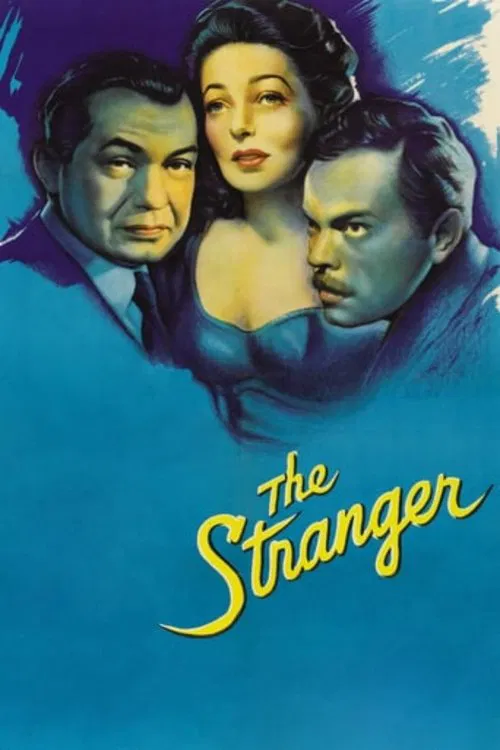
  3. The Stranger (1946) poster

    The Stranger

    Orson Welles · 1946

    The town of Harper looks calm and tidy, with a drugstore, a church and a clock tower. That neatness is the cover a fugitive needs, and it makes the evil inside harder to spot.

    Where to see it: Daily life in Harper: the shop, the school and the church show a community that welcomes Rankin without asking questions.

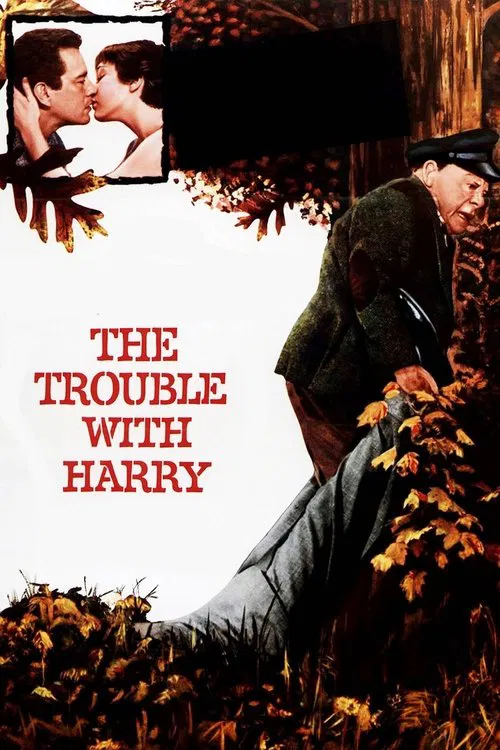
  4. The Trouble with Harry (1955) poster

    The Trouble with Harry

    Alfred Hitchcock · 1955

    Highwater is a tiny Vermont hamlet where everyone knows everyone and no one trusts the deputy, who earns his living per arrest. The neighbors close ranks against the law, and the body shows what the town values.

    Where to see it: The deputy's visit. The neighbors try to hide Harry from Deputy Sheriff Wiggs, who earns his living per arrest.

  5. The Woman Next Door (1981) poster

    The Woman Next Door

    François Truffaut · 1981

    The village near Grenoble is small enough that everyone sees everything. Garden parties and a tennis club become places where private feelings are judged in public. Mathilde's collapse at the club could not happen in a big city.

    Where to see it: The garden party. Bernard reveals his violent passion for Mathilde in front of the guests.

  6. Blue Velvet (1986) poster

    Blue Velvet

    David Lynch · 1986

    Lumberton, North Carolina is introduced with images of pure suburban innocence: flowers, white picket fences, children crossing with crossing guards. Lynch holds on these images until they turn eerie. They look too perfect and too arranged. The way the town looks is the film's main claim. That is, the American suburb is a surface, and its job is to hide things.

    Where to see it: The opening sequence. The red roses, the white fence and the fireman's slow wave are held in their perfection until it tips into something wrong.

  7. Twin Peaks: Fire Walk with Me (1992) poster

    Twin Peaks: Fire Walk with Me

    David Lynch · 1992

    The film opens in Deer Meadow, where hostile locals stonewall two FBI agents, then moves to the Twin Peaks you know from the series. The two towns work like a parallel-universe pair, and both hide ugly things behind ordinary-looking places. By the end, you can't trust the comfort of Laura's hometown.

    Where to see it: The Deer Meadow investigation. Agents Chester Desmond and Sam Stanley examine Teresa Banks' body, meet unfriendly locals and find her ring.

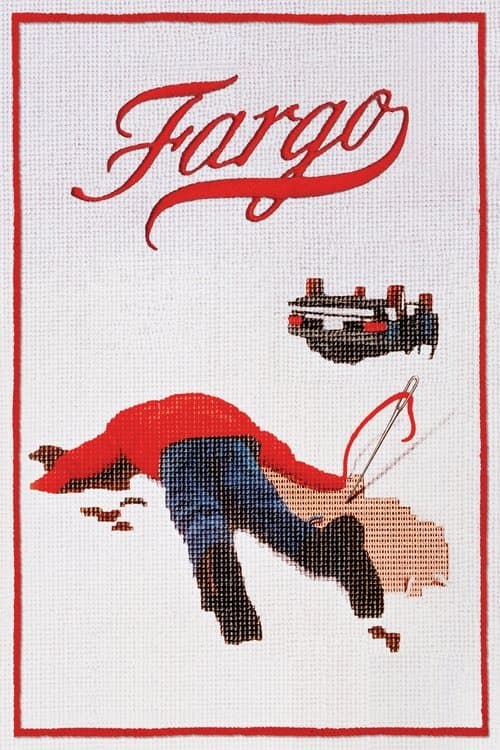
  8. Fargo (1996) poster

    Fargo

    Joel Coen, Ethan Coen · 1996

    Minnesota's social world is flat, polite and deeply local, and the film uses it as the measure of right and wrong. It is hospitable, direct and unpretentious, and Jerry's scheme goes against all of that. Marge is what those values look like when they are working at their best. The film says they are enough to beat any clever criminal.

    Where to see it: Marge's investigative conversations. Every time she talks to a local witness, you see community, memory and care. The criminals only deal in transactions and can't copy any of that.

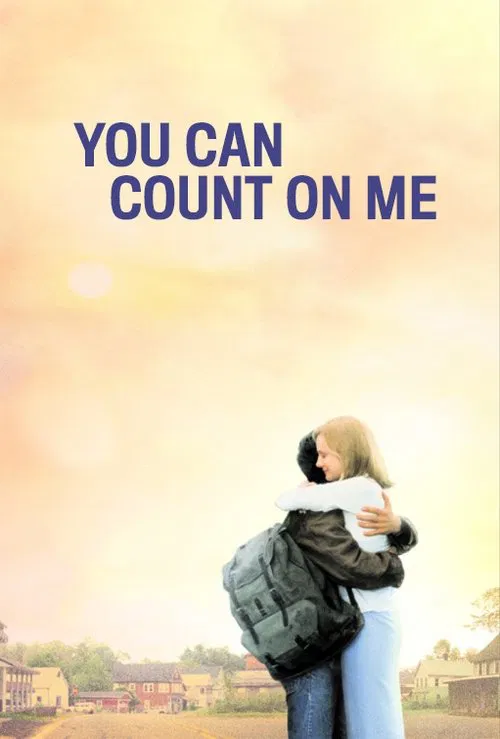
  9. You Can Count on Me (2000) poster

    You Can Count on Me

    Kenneth Lonergan · 2000

    The village, the bank and the church show what the community values and what it ignores. Sammy has built her life there, and the people around her make her choices feel public.

    Where to see it: The bank and the church: Sammy works as a loan officer at the bank, and she asks Reverend Ron to counsel Terry.

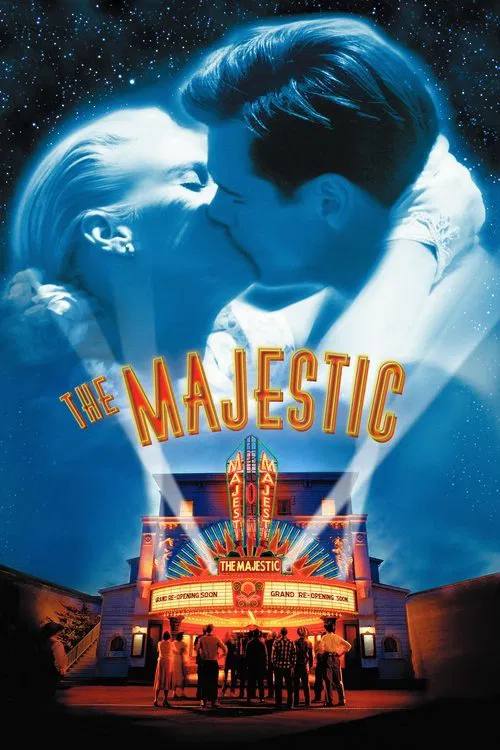
  10. The Majestic (2001) poster

    The Majestic

    Frank Darabont · 2001

    Lawson is a town of people who lost sons in the war, and its restored theater stands for hope. The main street, the lighthouse and the old cinema show what the town wants to believe. The place shapes what Peter can do.

    Where to see it: The Majestic theater. Peter restores the derelict theater, and the town gathers there again.

  11. 28 Days Later (2002) poster

    28 Days Later

    Danny Boyle · 2002

    London's famous landmarks are stripped of their symbolic weight, and its streets are empty of the crowds that give them meaning. The city stops being a tourist map and becomes a moral landscape. It asks what civilization consists of once you take the population away.

    Where to see it: The survivors' journey down the empty motorway toward the promised sanctuary. The familiar landscape of British daily life turns alien without its people. The setting itself makes you question what turns a place into a society.

  12. Memories of Murder (2003) poster

    Memories of Murder

    Bong Joon-ho · 2003

    Rural Gyeonggi Province in 1986 is a place where the tools of an investigation barely exist. There is no profiling, and DNA tests have to be sent to the United States. The provincial setting decides which tools the detectives have. The limits of the place become the moral limits of the film.

    Where to see it: The investigation turning to psychics and superstition. The provincial setting decides which methods are available. You see the moral limits of the place play out in the police work itself.

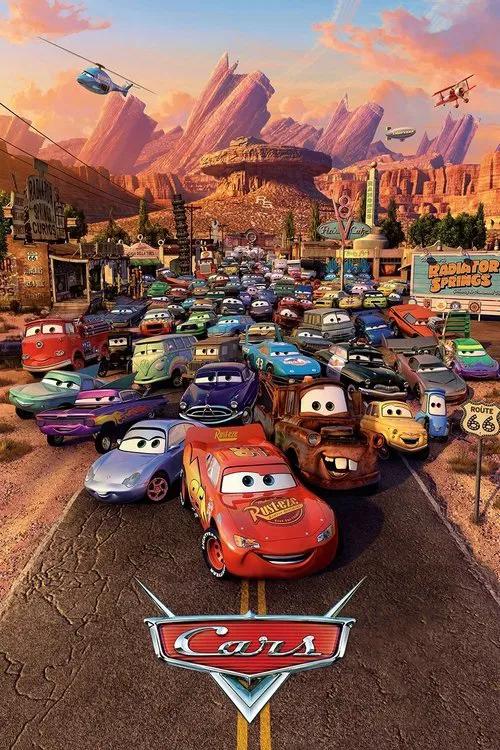
  13. Cars (2006) poster

    Cars

    John Lasseter · 2006

    Radiator Springs, once busy, was left behind when the highway moved. The faded neon and empty shops show what a place loses when the world rushes by, and you see what McQueen is missing.

    Where to see it: Sally's story: Sally explains to McQueen how the new highway bypassed the town, and the film shows the street as it was when it was busy.

  14. Hell or High Water (2016) poster

    Hell or High Water

    David Mackenzie · 2016

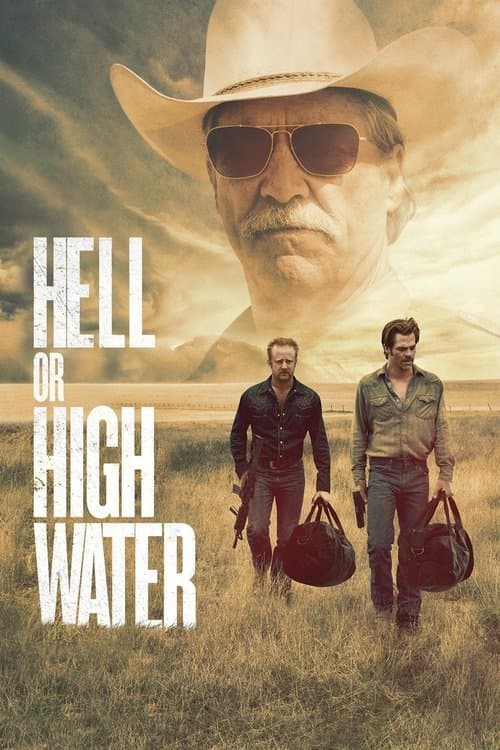
    Giles Nuttgens shoots the abandoned storefronts, payday loan signs and foreclosure notices of West Texas as the film's moral landscape. In every town the brothers pass through, you can see the economic devastation that led to their crime. The setting makes the film's political point for it.

    Where to see it: The drive through a string of dying Texas towns. The camera records the strip malls, the abandoned businesses and the signs for debt consolidation services. This is what the financial crisis the film is about looks like on the ground.

  15. Three Billboards Outside Ebbing, Missouri (2017) poster

    Three Billboards Outside Ebbing, Missouri

    Martin McDonagh · 2017

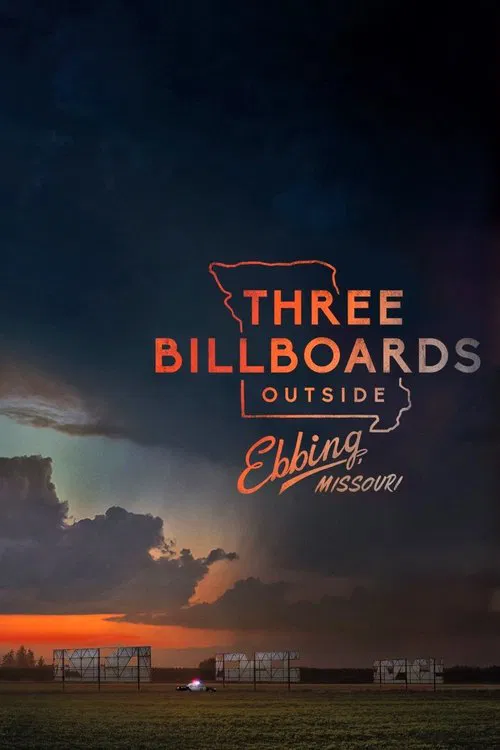
    Ebbing is a town where everyone knows everyone's history and no one can escape their reputation. Mildred's billboards work because social pressure is the main currency in town. The way the town is laid out is also how it judges people. Nobody is anonymous and nobody gets a fresh start. Everyone carries their history in public.

    Where to see it: The billboard locations. The 3 signs stand where the police chief has to pass them every day. The town's own layout gets used as a weapon to shame him.

  16. Lady Bird (2017) poster

    Lady Bird

    Greta Gerwig · 2017

    Sacramento here is a specific place, with its strip malls, its Catholic schools and its housing tracts across the tracks. Gerwig shoots it accurately and like it belongs to her. You can tell she needed to leave and couldn't stop caring.

    Where to see it: Lady Bird telling Jenna she lives in the blue house in the Fabulous Forties, when her real home is far more modest. In Sacramento, where you live shows your class, and the scene maps her anxiety about that precisely.

  17. Everybody Knows (2018) poster

    Everybody Knows

    Asghar Farhadi · 2018

    In a small village, everyone knows the history of everyone else. That knowledge is the film's title. The town remembers who owned the land, who loved whom and who was left behind, and the plot follows those memories.

    Where to see it: The village. The family gathers in Laura's hometown near Madrid, where old relationships and grudges are known to everyone.

  18. Dark Waters (2019) poster

    Dark Waters

    Todd Haynes · 2019

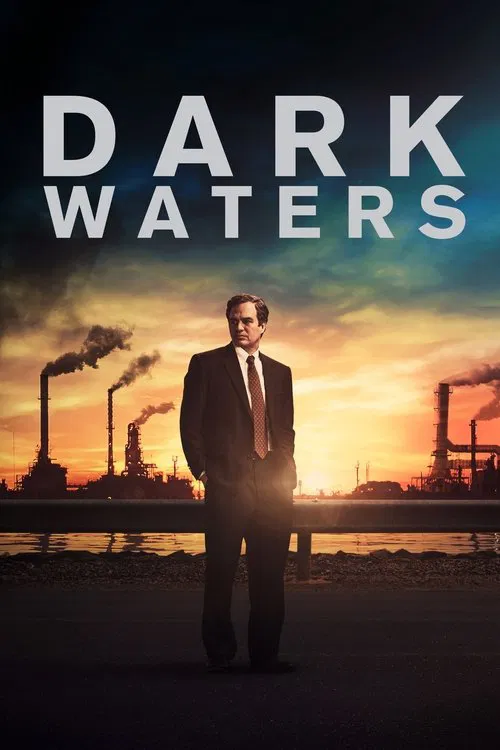
    The film keeps returning to the Parkersburg farm, the landfill uphill from it and the people living nearby. The place shows you who gets hurt when a company hides what it knows.

    Where to see it: The class action fight. Bilott seeks medical monitoring for Parkersburg residents, and local protests make the case national news.

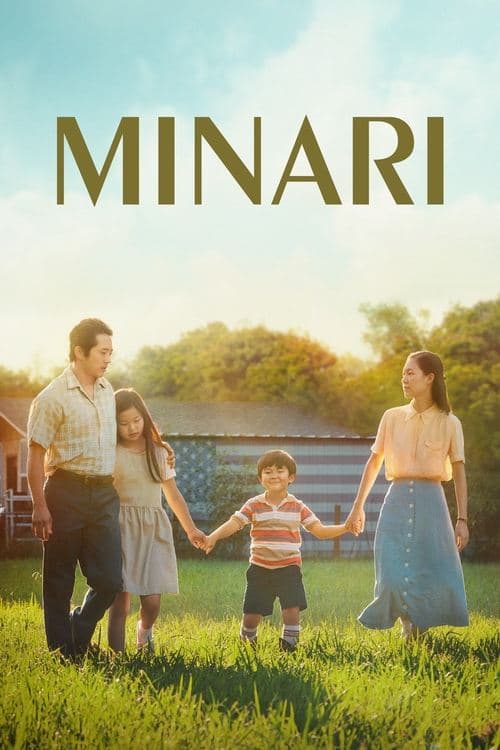
  19. Minari (2020) poster

    Minari

    Lee Isaac Chung · 2020

    The Arkansas farm has flat horizons, a mobile home and a neighbor who speaks in tongues. It is a specific American place. The film shows its beauty and its strangeness without looking down on it or treating it as exotic.

    Where to see it: The family's trailer surrounded by flat Arkansas farmland. You see the Korean-American family in a landscape that does not know them yet. That picture holds the film's central question.

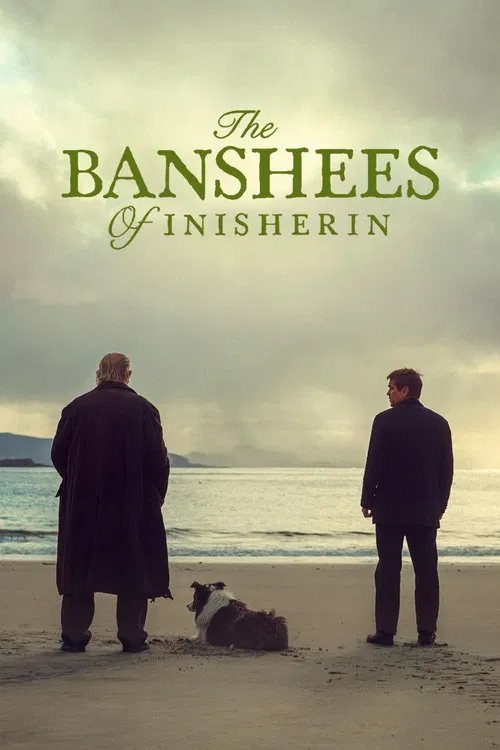
  20. The Banshees of Inisherin (2022) poster

    The Banshees of Inisherin

    Martin McDonagh · 2022

    Inisherin is an island, so there is literally no way off it. Every person on it sees every turn in the conflict between Pádraic and Colm. The geography is the moral trap. Nobody is anonymous, no ground is neutral and neither man gets any distance from the results of his choices. The island is what makes the logic of the fable airtight.

    Where to see it: The pub scenes. The entire community is the audience for the conflict. The island is small enough that a private grievance is bound to go public.

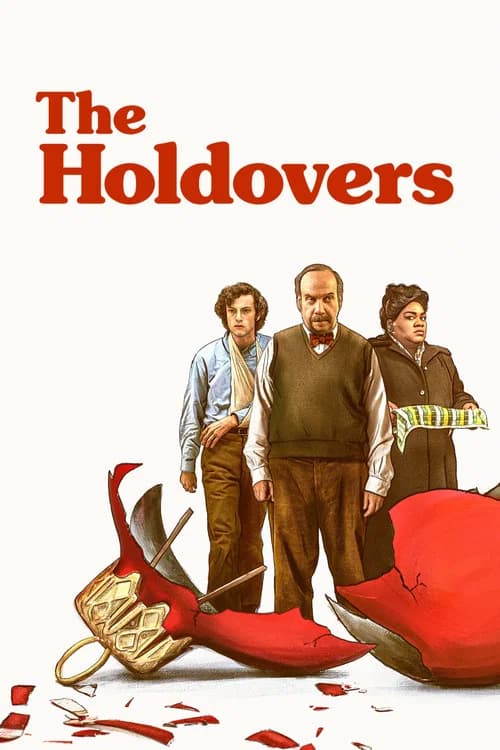
  21. The Holdovers (2023) poster

    The Holdovers

    Alexander Payne · 2023

    The prep school campus sets the film's map of class. On the holiday trip to Boston, Hunham and Angus meet the world outside the bubble. Those sequences are the film's moral education.

    Where to see it: Hunham and Angus on the trip to Boston, which includes the Museum of Fine Arts and ice skating. The prep school hierarchy is suspended for a while. Both of them are more human there than in any classroom.

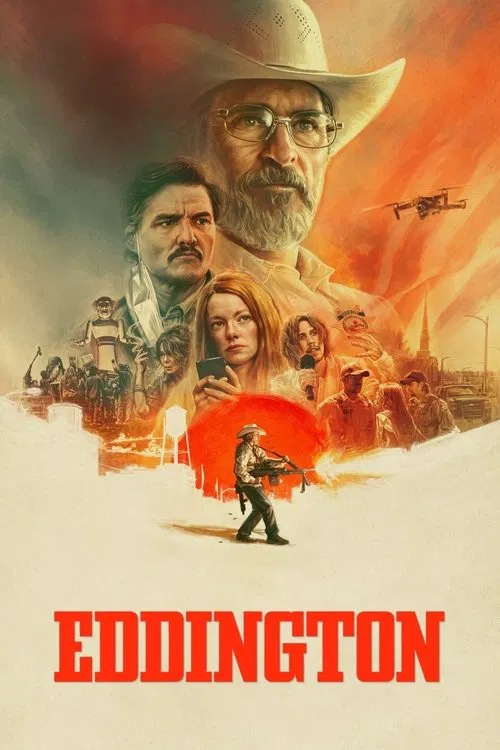
  22. Eddington (2025) poster

    Eddington

    Ari Aster · 2025

    The fictional town of Eddington, New Mexico, carries the divide between sides. Its streets and public spaces turn into the arena for the fight.

    Where to see it: The town: the sheriff, the mayor and the neighbors all play out the conflict in Eddington's public spaces.

Questions

Quick answers

What is small town as moral geography in film?
Treating a small town as more than a setting. Its buildings, lighting and relationships show the community's values and limits, which shape what the characters can do and what gets destroyed.
Which films use small town as moral geography?
Shadow of a Doubt (1943), It's a Wonderful Life (1946), The Stranger (1946), The Trouble with Harry (1955), The Woman Next Door (1981), Blue Velvet (1986) and 16 more films in the CineCode library.
What kind of technique is small town as moral geography?
It is a cinematography technique. Related cinematography techniques include Color Palette as Worldbuilding.