Narrative technique · used in 13 films

Revisionist Genre Argument

Using a genre's familiar rules, like its heroes and its violence, to take those rules apart. The film turns your expectations into a political point the genre usually avoids.

Examples

13 films that use it

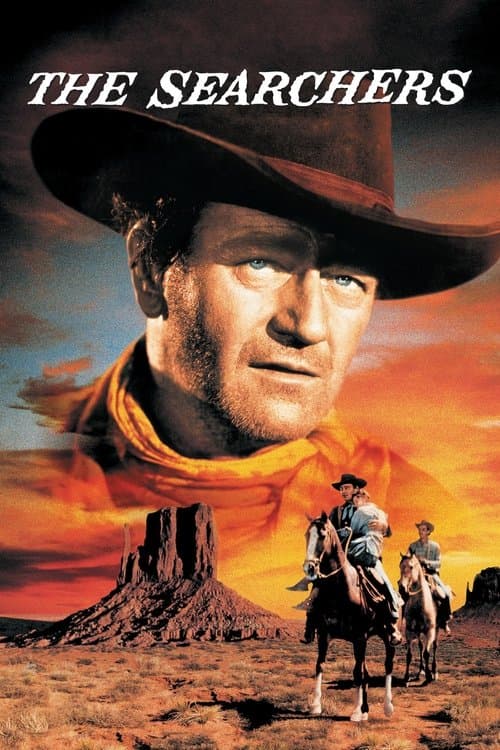
  1. The Searchers (1956) poster

    The Searchers

    John Ford · 1956

    Ford gives the Western's usual hero, the lone, righteous white man, a racial hatred so vicious that he becomes the film's true monster. The genre's mythology gets turned inside out. You see the violence beneath the myth of manifest destiny, the idea that settlers were meant to take the West.

    Where to see it: The reveal of Ethan's intent to kill Debbie. The rescue mission turns out to be driven by his fear that living with the Comanche has racially tainted her. Family love has fairly little to do with it.
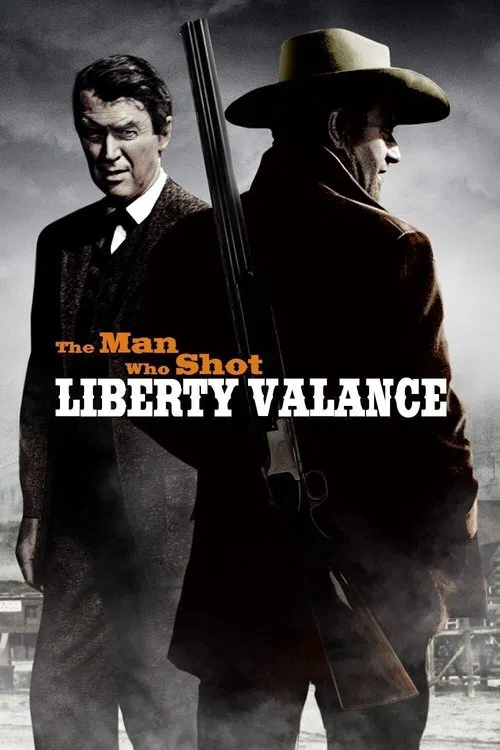
  2. The Man Who Shot Liberty Valance (1962) poster

    The Man Who Shot Liberty Valance

    John Ford · 1962

    The Western usually rewards the man who shoots first. Here the man who wins is a lawyer with a law book, and the person who actually pulled the trigger disappears from history.

    Where to see it: Printing the legend: The editor decides not to print the true story and burns the reporter's notes, saying that when the legend becomes fact, he will print the legend.

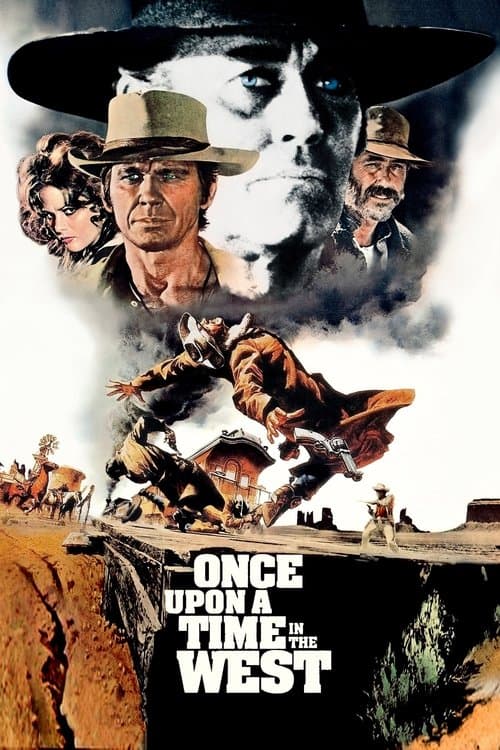
  3. Once Upon a Time in the West (1968) poster

    Once Upon a Time in the West

    Sergio Leone · 1968

    The railroad is part of the plot, and it's also the film's argument. The world of the gunfighter can't survive the arrival of commerce, law and steam. Leone sets his Western at the exact moment the Western's world is about to disappear. That turns the genre's familiar conventions into relics of history.

    Where to see it: The final shot. Jill brings water to the railroad workers. The gunfighter walks away from the future he helped make possible.

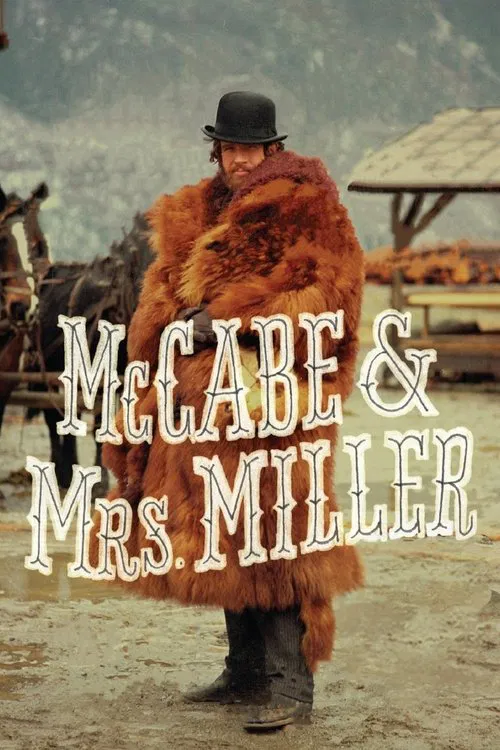
  4. McCabe & Mrs. Miller (1971) poster

    McCabe & Mrs. Miller

    Robert Altman · 1971

    McCabe is not a gunslinger. He is a gambler with a rumored reputation who cannot read the people who want to buy him out. The film uses the Western's usual ingredients, the stranger, the saloon and the gunfight, to show what the myth leaves out.

    Where to see it: The mining company's visit: agents arrive to buy McCabe out, and he overplays his hand by demanding too high a price. They leave, and Mrs. Miller warns him that his life is now in danger.

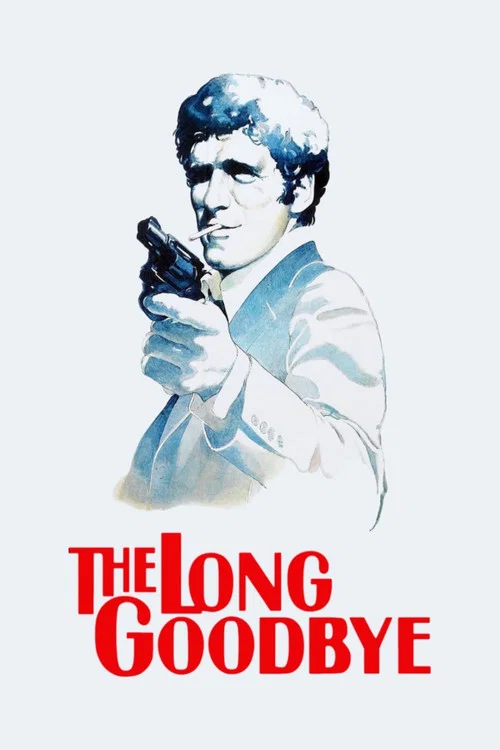
  5. The Long Goodbye (1973) poster

    The Long Goodbye

    Robert Altman · 1973

    Elliott Gould plays Marlowe as a rumpled man who mutters to himself and cannot keep up with the city. The film takes the tough, honorable detective of old movies and drops him into a world that has stopped caring. It shows you why the old code looks out of place now.

    Where to see it: The ending: Marlowe tracks Terry down at a Mexican villa and learns he killed his own wife and let Marlowe take the blame. He shoots Terry and strolls away down the road.

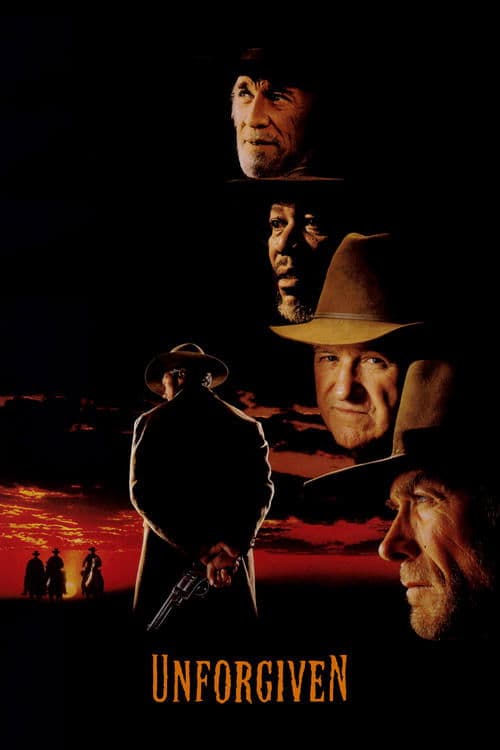
  6. Unforgiven (1992) poster

    Unforgiven

    Clint Eastwood · 1992

    Eastwood sets up every element of a classic Western (the retired gunslinger, the frontier town, the cold sheriff). Then he takes the glamour out of each one, step by step. What is left is violence that is ugly, trauma that is permanent and heroism that is a myth.

    Where to see it: William Munny's drunken final rampage through the saloon. You recognize it as the big gunfight at the end. It is shot like a horror scene, and there is no triumph in it.

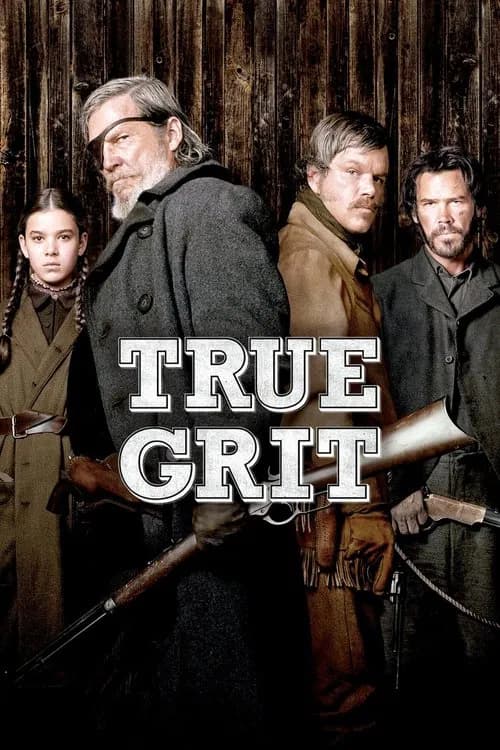
  7. True Grit (2010) poster

    True Grit

    Joel Coen, Ethan Coen · 2010

    The Coens take the Western's romantic heroism away from Rooster Cogburn. He is drunk, dishonest and getting old. The genre's myth of the lone hero now reads as a story told by a determined girl about a flawed man she chose to believe in.

    Where to see it: Rooster's famous charge against the Pepper gang. It gets undercut when his horse is shot and falls, pinning his leg. The heroic gesture runs into the physical reality of a one-eyed drunk.

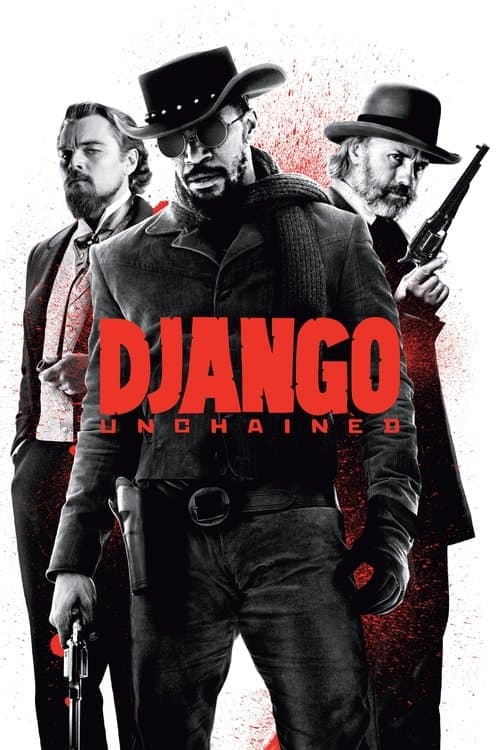
  8. Django Unchained (2012) poster

    Django Unchained

    Quentin Tarantino · 2012

    The Western has a set language of righteous violence: the gunslinger, the showdown and the rescue. Tarantino takes that language and puts a Black man at the center of a slavery revenge fantasy. The satisfying violence of the genre gets pointed in a new direction. The pleasure Westerns always gave you now serves a different version of history.

    Where to see it: Django's final confrontation at Candyland. The Western showdown is staged as payback for history.

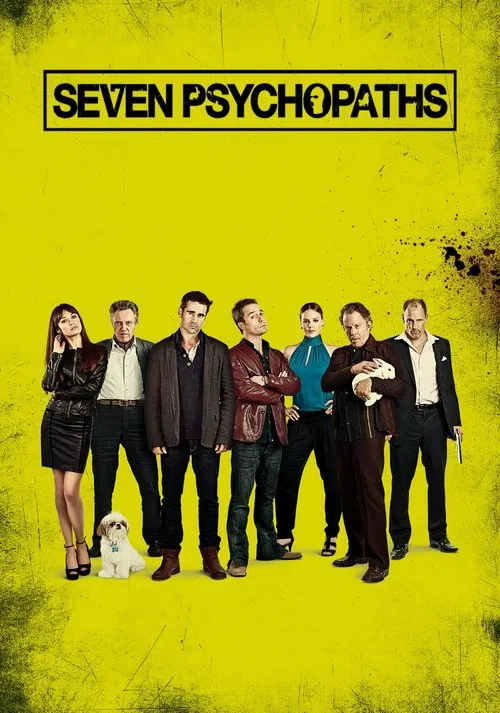
  9. Seven Psychopaths (2012) poster

    Seven Psychopaths

    Martin McDonagh · 2012

    The film uses the usual crime-movie violence and then questions what it is worth. It makes you reconsider the genre's easy payoffs.

    Where to see it: The desert showdown: the trio hides in the Southwest desert with Bonny, and the film debates how a violent story should end.

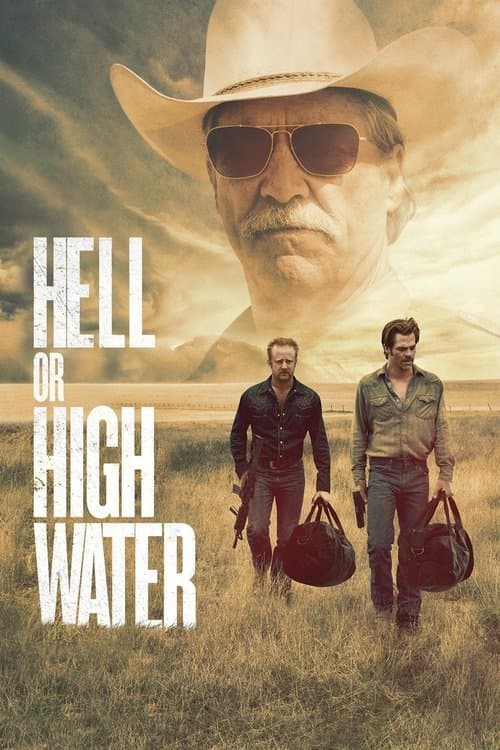
  10. Hell or High Water (2016) poster

    Hell or High Water

    David Mackenzie · 2016

    Taylor Sheridan sets the bank robbery inside the moral world of the Western and then flips it. The banks are the outlaws and the brothers are the farmers who lost their land. The Ranger is the lawman enforcing a system the film exposes as corrupt. Once again, the genre gets rearranged to point at the actual theft.

    Where to see it: The diner waitress refusing to let the Rangers take the tip the brothers left her. The community instinctively sides with the outlaws over the law. With that one gesture, the flipped Western is complete.

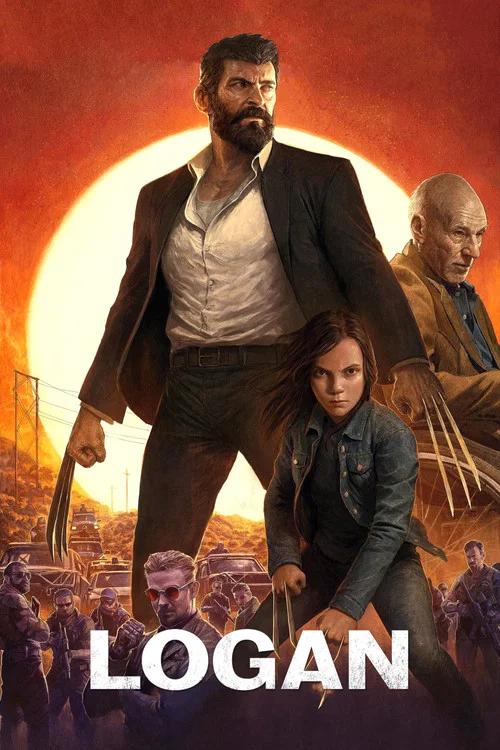
  11. Logan (2017) poster

    Logan

    James Mangold · 2017

    The film borrows the shape of a Western, with an aging gunman, a child to protect and a far-off safe place. Mangold has cited Western and neo-Western influences. The violence has real cost, which is the argument the old hero stories avoid.

    Where to see it: Burial: The children bury Logan, and Laura recites the closing speech from Shane. She then tilts the cross on his grave into an X.

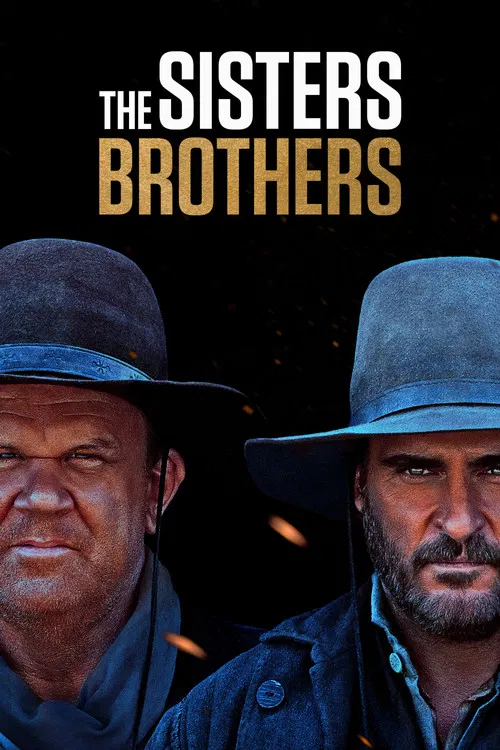
  12. The Sisters Brothers (2018) poster

    The Sisters Brothers

    Jacques Audiard · 2018

    The film has the usual Western pieces, such as hired killers, a gold rush and gunfights. Audiard uses them to show what the violence costs the men who do it. By the end, the brothers lose someone and part of themselves, and the killing leads home to their mother.

    Where to see it: The ending. The brothers set out to kill the Commodore, find that he has already died, and go home to their mother.

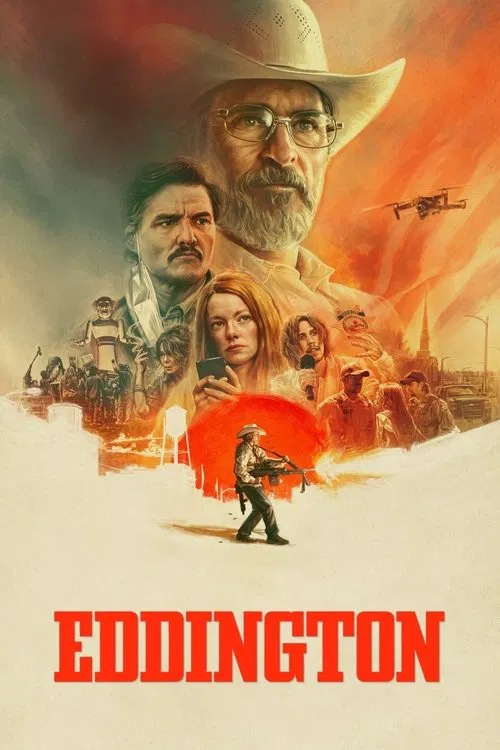
  13. Eddington (2025) poster

    Eddington

    Ari Aster · 2025

    Aster wrote it as a contemporary Western. The sheriff, the mayor and the town fight echo old Western roles but sit in the middle of a pandemic.

    Where to see it: The campaign: Sheriff Joe Cross runs for mayor against Ted Garcia, and a Western showdown plays out through politics.

Questions

Quick answers

What is revisionist genre argument in film?
Using a genre's familiar rules, like its heroes and its violence, to take those rules apart. The film turns your expectations into a political point the genre usually avoids.
Which films use revisionist genre argument?
The Searchers (1956), The Man Who Shot Liberty Valance (1962), Once Upon a Time in the West (1968), McCabe & Mrs. Miller (1971), The Long Goodbye (1973), Unforgiven (1992) and 7 more films in the CineCode library.
What kind of technique is revisionist genre argument?
It is a narrative technique. Related narrative techniques include Elderly Frame Narrative, Deadpan Absurdism, Triangulated Moral Ambiguity.