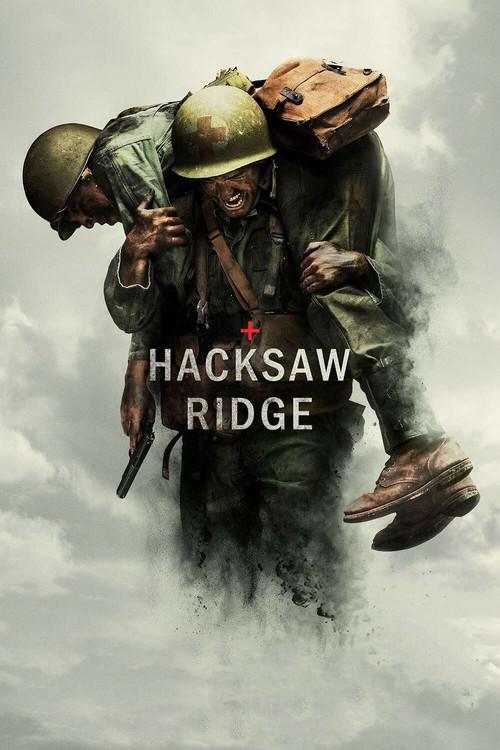
Desmond Doss, a Seventh-day Adventist, joins the Army as a medic but refuses to carry a rifle. His unit shuns him, until the brutal battle on the Maeda Escarpment in Okinawa. The film is worth watching for how it stages huge, messy combat on real ground, then ends with archive footage of the real man.
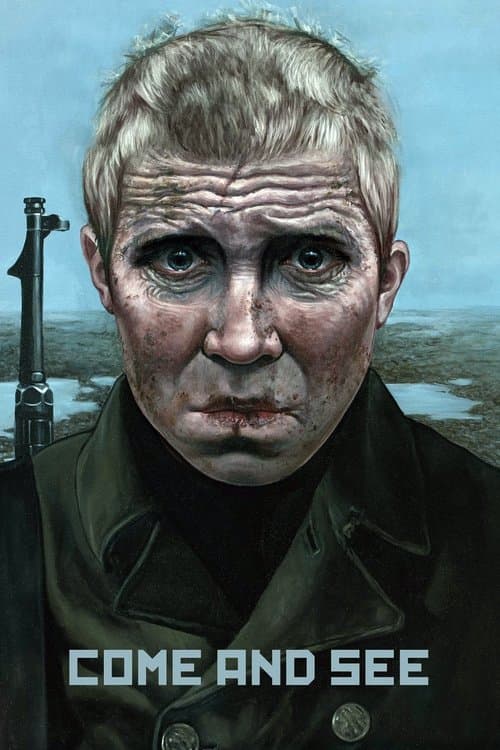
Hacksaw Ridge is a 2016 drama, war and biography film directed by Mel Gibson. This breakdown covers 5 techniques (1 cinematography, 1 sound, 2 narrative and 1 editing), each with the scene where you can see it. If you like how it is made, Come and See uses several of the same techniques.
Staging large-scale destruction for real with actual structures, explosions and extras, and using no digital simulation. The chaos on screen has real weight and scale.
How this film uses it
Gibson shot the battle on a real, torn-up field. Crews reshaped a dairy pasture near Sydney into the Okinawa battlefield, and a raised earth wall let the cameras turn 360 degrees. Computer effects were kept for graphic moments such as burned soldiers.
Where to see it
Assault on the escarpment: The unit's attack on the ridge begins with heavy losses and ends with a Japanese counterattack that drives the Americans off.
Mixing battle sound the way a soldier would hear it, with chaotic, physical noise coming from every direction. Nothing is tidied up for your comfort, so you feel inside the fight.
How this film uses it
Budget limits led the sound team to use archival recordings of World War II weapons. Gunfire, shells and shouting come from every side. You hear battle as the soldiers would, with no tidy mix.
Where to see it
Japanese counterattack: The Americans are forced off the ridge. Smitty is killed and Howell and others are wounded.
Changing what counts as winning partway through the story, so the hero chases a smaller, personal goal. The ending can then feel like a triumph even when the hero loses.
How this film uses it
Desmond never fires a shot, so winning for him means saving people. His goal shrinks to one more man each time. The ending feels like a triumph because of the lives he saved.
Where to see it
Night rescue: Desmond returns alone and lowers dozens of wounded men down the cliff by rope, praying to save one more each time.
Building up to a big emotional release slowly, by investing in the characters and giving small bits of hope. When the release comes, it feels deserved after all the suffering.
How this film uses it
The film spends its first half letting the men beat, mock and distrust Desmond. When they wait for his Sabbath prayer before the next attack, the shift has been earned by everything he took.
Where to see it
Sabbath prayer: After Desmond rescues Howell at dawn, Glover apologizes and the unit agrees to wait for Desmond's prayers before attacking.
Cutting real documentary or archive footage into a fictional story, such as authentic records of wartime atrocities. It grounds the fiction in history and blurs the line between cinema and the record.
How this film uses it
The story closes on real footage of Desmond Doss receiving the Medal of Honor from President Truman, then an interview with him shortly before his death. The real man replaces the actor. It tells you the film's events are true.
Where to see it
Epilogue: Footage shows the real Desmond Doss receiving the Medal of Honor, followed by an interview with him.
Questions
Hacksaw Ridge: quick answers
What filmmaking techniques does Hacksaw Ridge use?
CineCode breaks down 5 techniques in Hacksaw Ridge (2016): Practical Destruction, Immersive Combat Sound Design, Redefined Victory, Earned Catharsis and Documentary Footage Integration.
Who directed Hacksaw Ridge?
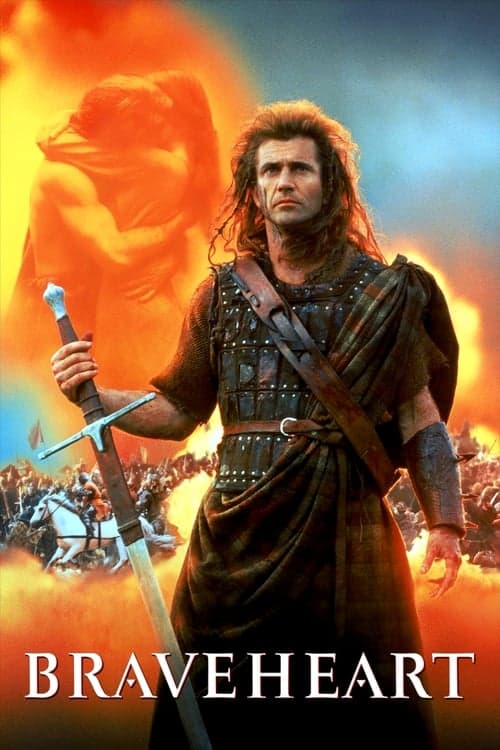
Mel Gibson directed Hacksaw Ridge, released in 2016. CineCode also covers Braveheart (1995).
What films are similar to Hacksaw Ridge?
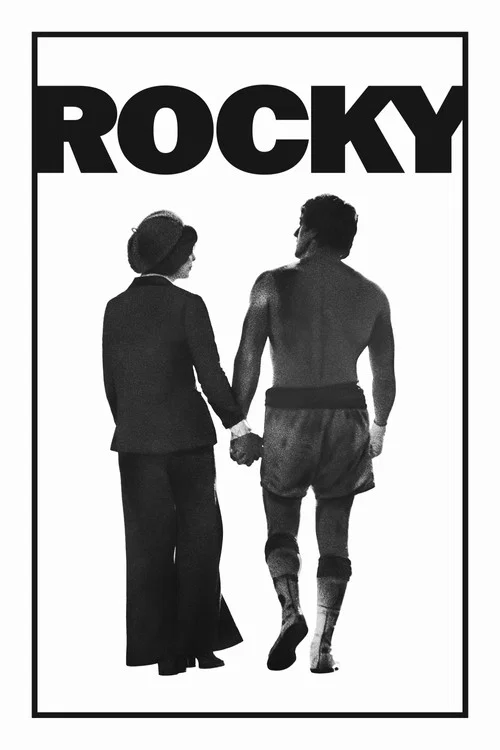
Films that share techniques with Hacksaw Ridge include Come and See (1985), Braveheart (1995), Rocky (1976), Warfare (2025).