Drama

The Verdict

Sidney Lumet, 1982

Frank Galvin is a washed-up Boston lawyer who drinks too much. When he takes a hospital malpractice case that should settle, he turns down the money and goes to trial. David Mamet's script and Lumet's staging make the courtroom a place where the system can fail.

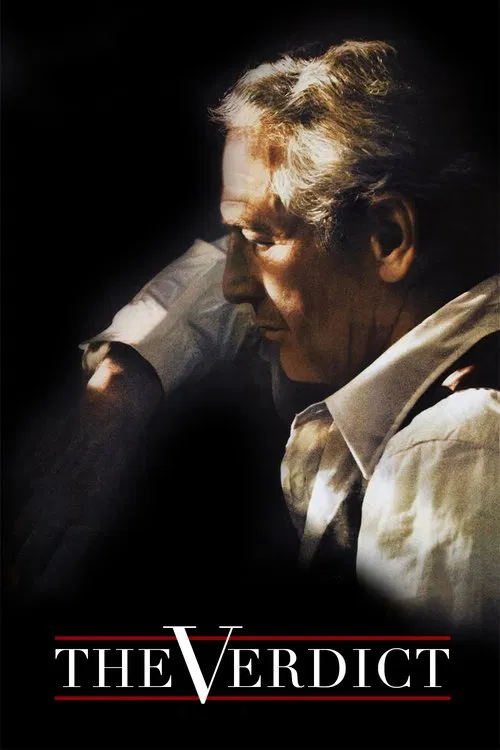
The Verdict (1982) poster

At a glance

The Verdict is a 1982 drama film directed by Sidney Lumet. This breakdown covers 5 techniques (3 narrative, 1 psychology and 1 sound), each with the scene where you can see it. If you like how it is made, Rocky uses several of the same techniques.

Narrative

Legal Theater

Staging a trial as a performance, with testimony and cross-examination played like theater. The rules can bring out the truth, or they can hide a verdict that was decided in advance.

How this film uses it

The trial plays like a stage fight. Galvin's nurse witness gets a key fact into the room, and then the judge rules her testimony out. The rules decide the outcome as much as the truth does.

Where to see it

Nurse Costello's testimony: She says she was pressured to change an admitting form from 1 to 9 and brought a photocopy. Judge Hoyle later strikes her testimony from the record.

Narrative

Earned Catharsis

Building up to a big emotional release slowly, by investing in the characters and giving small bits of hope. When the release comes, it feels deserved after all the suffering.

How this film uses it

Galvin loses almost every battle before the end. By the time he gives his closing argument, you have seen enough to feel it matters. The jury's answer lands as a release.

Where to see it

The closing argument: Despite feeling his case is hopeless, Galvin gives an impassioned closing. The jury finds for the plaintiffs and asks whether it can award more than was sought.

Narrative

Redefined Victory

Changing what counts as winning partway through the story, so the hero chases a smaller, personal goal. The ending can then feel like a triumph even when the hero loses.

How this film uses it

Galvin begins with an easy payday. After seeing Deborah Kaye, he turns down the $210,000 offer. The goal shifts from getting paid to getting something right, and winning starts to mean something else.

Where to see it

The refused settlement: After seeing the comatose Deborah, Galvin declines the diocese's $210,000 offer, stunning the defendants and the judge.

Psychology

Guilt as Hidden Motive

Letting a character's guilt over a past wrong shape what they do now. The wrong may come out late or only be hinted at, but it colors every choice.

How this film uses it

Galvin is an alcoholic who chases ambulances, and the film starts from his shame. What he does next reads as an attempt at repair.

Where to see it

Morrissey's favor: Galvin's former partner Mickey Morrissey sends him a malpractice case he is almost certain to settle.

Sound

Sound as Plot Device

Making a sound, voice or call drive the story itself. A phone line, a mimicked noise or a spliced recording changes what characters do or believe.

How this film uses it

The film ends on a phone ringing. Laura calls from her drink while Galvin sits with his coffee, and he lets it ring. The last sound is a choice not to answer.

Where to see it

The last scene: Laura, drunk, dials Galvin's office number. He moves to answer, changes his mind and lets the phone ring.

Questions

The Verdict: quick answers

What filmmaking techniques does The Verdict use?
CineCode breaks down 5 techniques in The Verdict (1982): Legal Theater, Earned Catharsis, Redefined Victory, Guilt as Hidden Motive and Sound as Plot Device.
Who directed The Verdict?
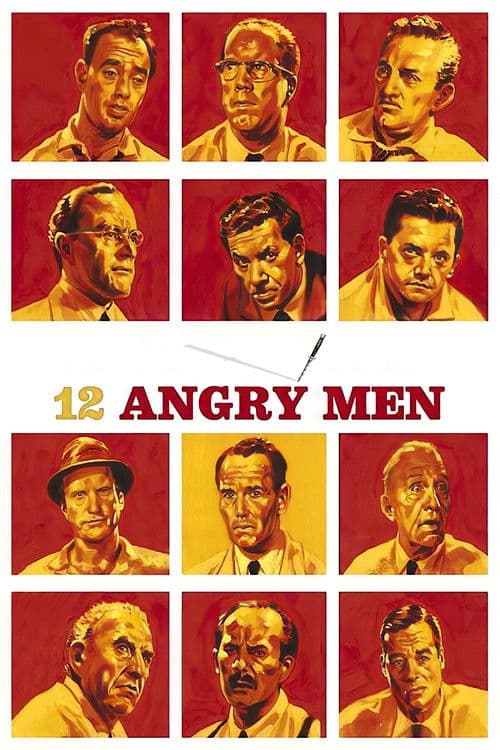
Sidney Lumet directed The Verdict, released in 1982. CineCode also covers 12 Angry Men (1957), Fail Safe (1964), Serpico (1973), Murder on the Orient Express (1974), Dog Day Afternoon (1975), Network (1976).
What films are similar to The Verdict?
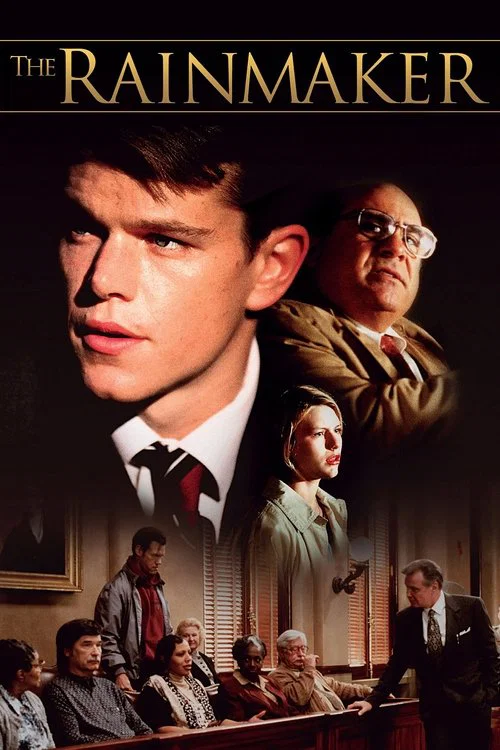
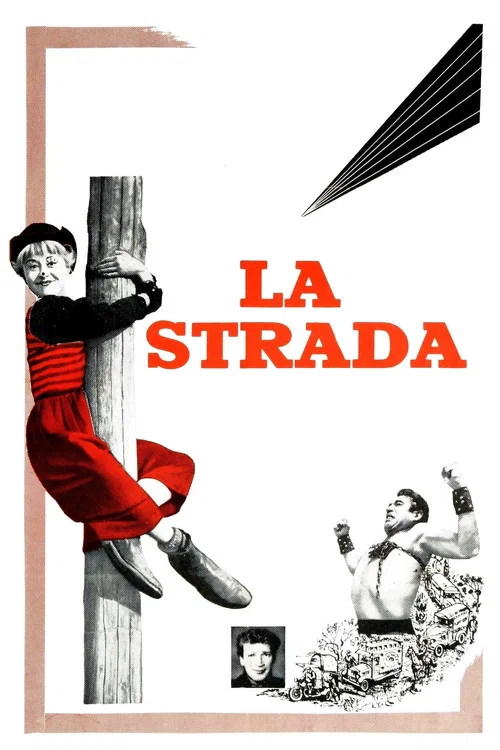
Films that share techniques with The Verdict include Rocky (1976), The Straight Story (1999), The Rainmaker (1997), La Strada (1954).