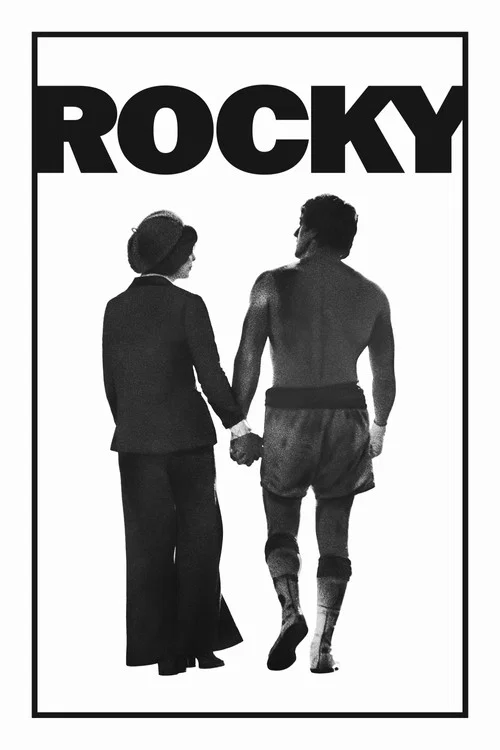
Rocky Balboa is a small-time Philadelphia boxer who collects debts for a loan shark. The heavyweight champion, Apollo Creed, picks him for a title fight as a publicity stunt. Rocky trains, falls for a shy pet shop worker named Adrian and only hopes to last 15 rounds. Made for about $1 million, it shows how much a small film can do with real streets.
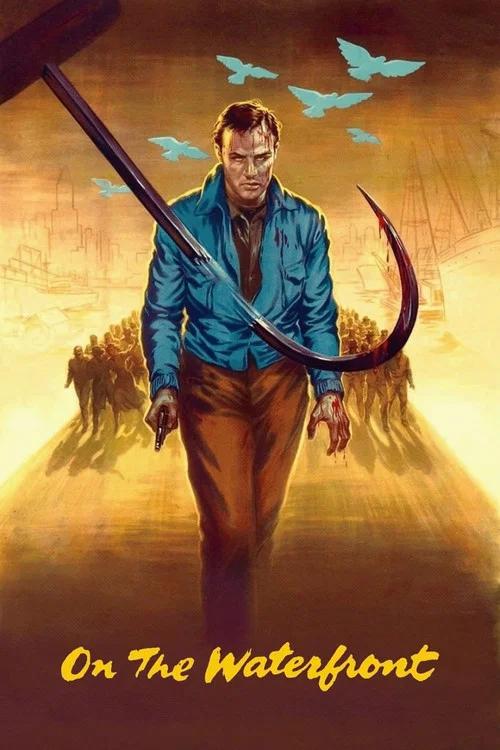
Rocky is a 1976 drama and sport film directed by John G. Avildsen. This breakdown covers 5 techniques (2 cinematography, 1 editing and 2 narrative), each with the scene where you can see it. If you like how it is made, On the Waterfront uses several of the same techniques.
Mounting the camera on a stabilizing rig worn by the operator so it can glide smoothly through a space. It moves as freely as handheld but without the shake.
How this film uses it
Rocky was one of the first films to use the Steadicam, a camera rig the operator wears. Its inventor, Garrett Brown, followed Rocky on his runs through Philadelphia and up the museum steps. The camera glides with Rocky, so you feel like you're running beside him.
Where to see it
Rocky's first dawn run. He jogs through the empty streets and staggers up the Philadelphia Museum of Art steps, out of breath when he reaches the top.
Using specific working-class parts of a city, like its bars, docks and construction sites, to define the characters. The places show who they are expected to be and what leaving would cost.
How this film uses it
Rocky lives in a run-down part of Philadelphia. He collects debts on the street, trains in a shabby old gym and punches frozen meat at the plant where Paulie works. These places show how small his life is before the fight comes along.
Where to see it
The meat locker. Rocky punches hanging sides of beef in Paulie's workplace, and later a TV crew films him doing it.
Squeezing a long period of training under a teacher into a short sequence of quick clips. You watch failed attempts turn into small wins, which makes the student's growth believable.
How this film uses it
Rocky's first early run ends with him gasping at the top of the steps. Once Mickey takes him on, the 'Gonna Fly Now' montage squeezes weeks of work into a few minutes. You watch him get faster and stronger. The second time up the steps, he sprints.
Where to see it
The 'Gonna Fly Now' montage. Rocky does one-armed push-ups, works the heavy bag and runs through the city, then raises his arms at the top of the museum steps.
Changing what counts as winning partway through the story, so the hero chases a smaller, personal goal. The ending can then feel like a triumph even when the hero loses.
How this film uses it
The night before the fight, Rocky admits to Adrian that he can't beat Apollo. He says he only wants to go the distance, meaning stay on his feet for all 15 rounds. That one line resets the stakes. When he loses on a split decision, you still feel he won.
Where to see it
The night before the fight. Rocky walks through the empty arena, then goes home and tells Adrian that lasting the whole fight would prove he's more than another bum from the neighborhood.
Building up to a big emotional release slowly, by investing in the characters and giving small bits of hope. When the release comes, it feels deserved after all the suffering.
How this film uses it
The film spends a long time on Rocky's lonely life and his slow romance with Adrian. After 15 brutal rounds, the judges' decision barely matters. Rocky is shouting for Adrian, and their hug in the ring is the payoff for everything before it.
Where to see it
The final bell. As the split decision goes to Apollo, Rocky shouts for Adrian, and she pushes through the crowd into the ring to hold him.
Questions
Rocky: quick answers
What filmmaking techniques does Rocky use?
CineCode breaks down 5 techniques in Rocky (1976): Steadicam, Working-Class Geography, Mentor Training Montage, Redefined Victory and Earned Catharsis.
Who directed Rocky?
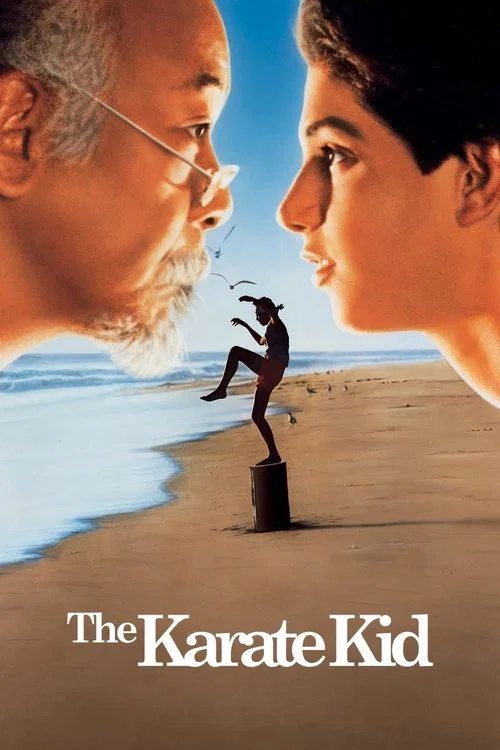
John G. Avildsen directed Rocky, released in 1976. CineCode also covers The Karate Kid (1984).
What films are similar to Rocky?
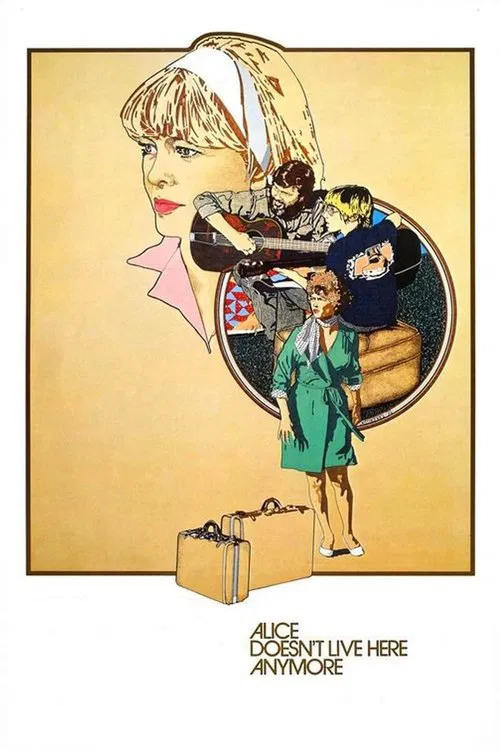
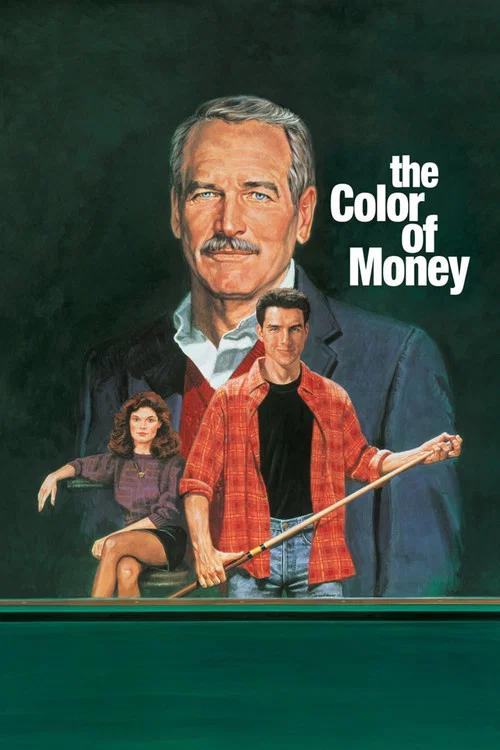
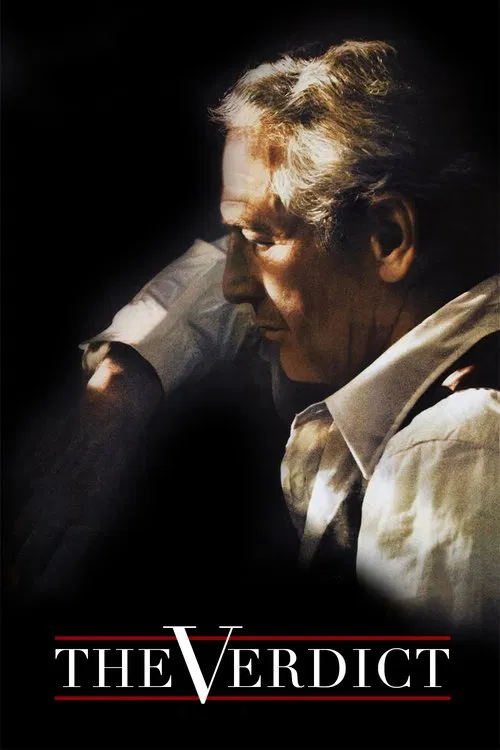
Films that share techniques with Rocky include On the Waterfront (1954), Alice Doesn't Live Here Anymore (1974), The Color of Money (1986), The Verdict (1982).