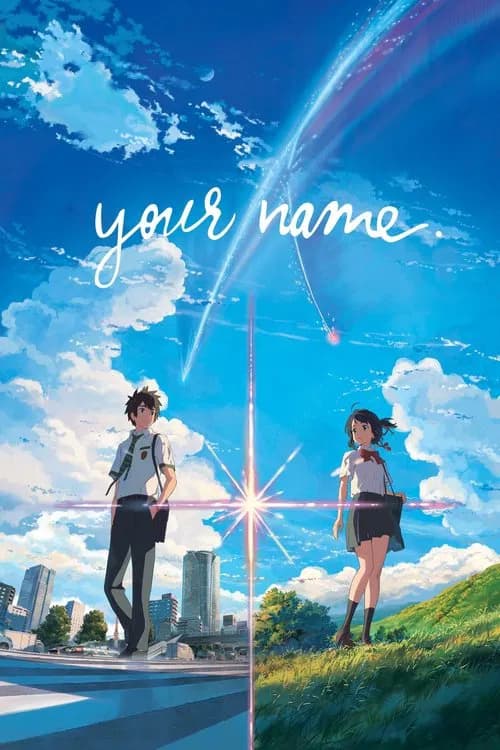
A boy in Tokyo and a girl in a rural mountain town swap bodies every so often, for no reason they can find. They fall in love with someone they have never met. Then a cosmic event threatens to separate them for good. The film uses body-swapping to explore connection across distance and what longing feels like.
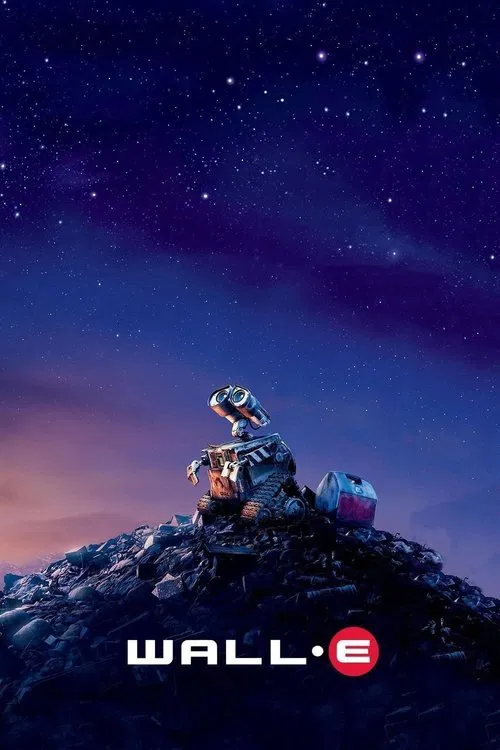
Your Name is a 2016 animation, drama, fantasy and romance film directed by Makoto Shinkai. This breakdown covers 4 techniques (1 narrative, 1 cinematography, 1 editing and 1 sound), each with the scene where you can see it. If you like how it is made, WALL-E uses several of the same techniques.
Connecting two worlds or bodies so that events in one directly affect the other, and cross-cutting between them drives the story.
How this film uses it
At first, the film lets you assume the body swaps are happening in the present. Then it reveals that Mitsuha lives 3 years in Taki's past. You have to rethink every swap scene, because the 2 of them were never living at the same time. The reveal turns a romance into something closer to a rescue mission across time.
Where to see it
Taki's discovery that the town was destroyed 3 years ago. This is the moment the film changes genre.
Bringing live-action camera thinking and fine detail to animation, with realistic landscapes, lenses and varied frame rates. The images feel more physical than a drawing usually does.
How this film uses it
Shinkai's backgrounds are painted with so much glow and detail that Tokyo's buildings and Itomori's mountains feel more beautiful than any photograph. This hyperrealism, a style more detailed than real life, is trying to outdo reality. I feel like the goal is a world as vivid as it is in memory and longing.
Where to see it
The Tokyo skyline sequences and the Itomori mountain shots. These backgrounds are accurate, and they are also full of feeling.
Returning to a woven cord, thread or rope as a symbol of connection and fate. The repeated image links separate storylines and shows how the characters' lives are woven together.
How this film uses it
The braided kumihimo cord that Mitsuha makes is the film's central symbol. It stands for musubi, the Shinto word for both braiding and the ties of fate. The cord passes between the characters across time. When Taki holds it in his hand, it is proof of a connection that time has tried to erase.
Where to see it
Taki finding the cord on his wrist. It is physical proof of a connection his memory has lost.
Writing songs for the film that carry story, feeling or payoff. Characters burst into music or a theme song resolves the plot.
How this film uses it
Shinkai worked with the band RADWIMPS to write songs for specific moments in the story, so they never sit in the background. 'Zenzenzense' and 'Sparkle' narrate their scenes, and the lyrics tell you things the images and dialogue don't. The music works as a second script.
Where to see it
The comet sequence. RADWIMPS's score carries the emotion in a sequence with barely any dialogue.
Questions
Your Name: quick answers
What filmmaking techniques does Your Name use?
CineCode breaks down 4 techniques in Your Name (2016): Linked Worlds Device, Animated Realism Craft, Braided Thread Motif and Original Songs as Narrative.
Who directed Your Name?
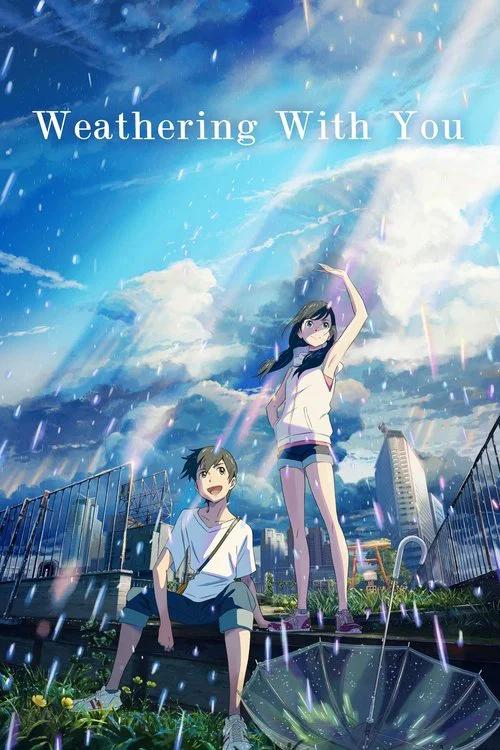
Makoto Shinkai directed Your Name, released in 2016. CineCode also covers Weathering with You (2019).
What films are similar to Your Name?
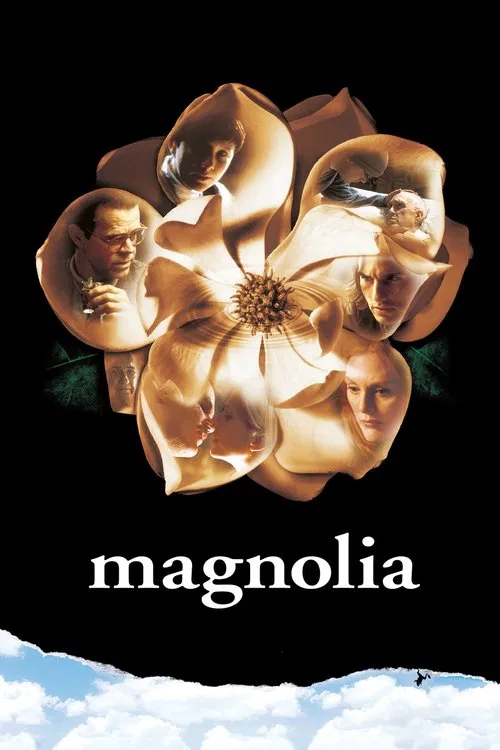
Films that share techniques with Your Name include WALL-E (2008), Toy Story (1995), Good Will Hunting (1997), Magnolia (1999).