Editing technique · used in 11 films

Documentary Footage Integration

Cutting real documentary or archive footage into a fictional story, such as authentic records of wartime atrocities. It grounds the fiction in history and blurs the line between cinema and the record.

Examples

11 films that use it

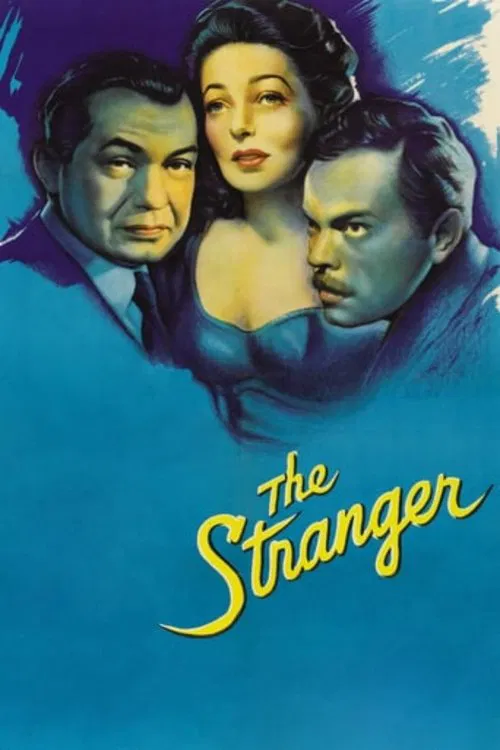
  1. The Stranger (1946) poster

    The Stranger

    Orson Welles · 1946

    Agent Wilson shows Mary real footage of Nazi concentration camps. It was one of the first mainstream films to use that footage, and it breaks the movie's thriller tone on purpose.

    Where to see it: Wilson's screening for Mary: the real camp footage makes her face who she married and sets up her confrontation with him.
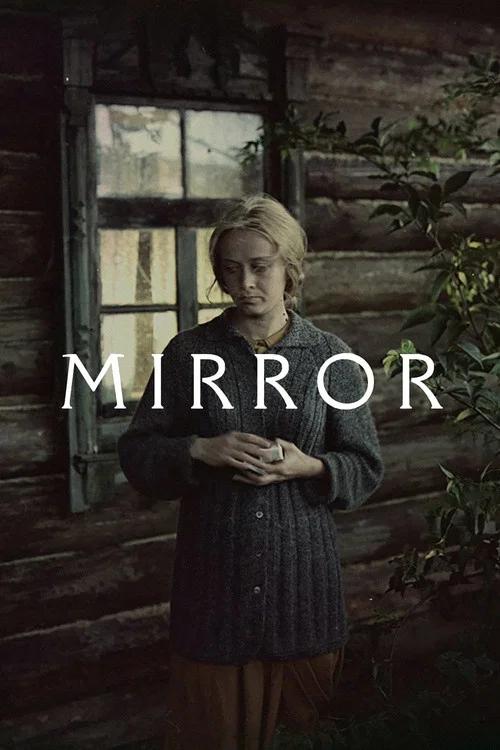
  2. Mirror (1975) poster

    Mirror

    Andrei Tarkovsky · 1975

    Real newsreel of the Spanish Civil War is cut into the film. It places the poet's private memories inside real history. The shift from fiction to footage is sharp and surprising.

    Where to see it: The Spanish newsreel. Footage of the Spanish Civil War appears in a scene with exiled Spanish Loyalist friends.

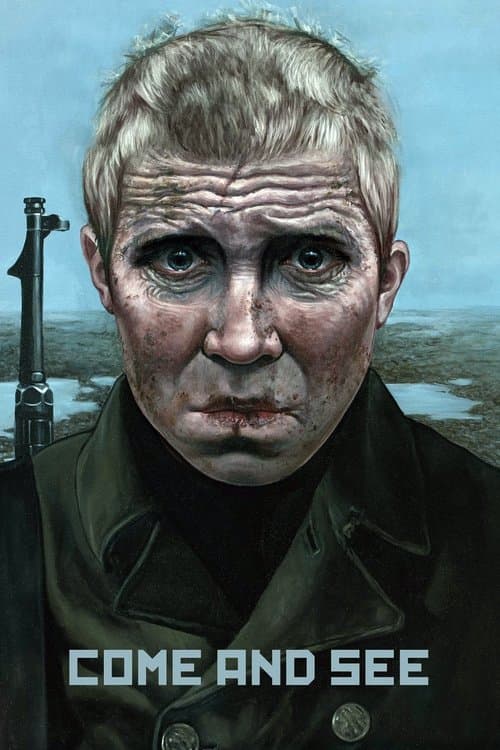
  3. Come and See (1985) poster

    Come and See

    Elem Klimov · 1985

    At the climax, Flyora shoots a portrait of Hitler lying in a puddle. A montage of real historical footage plays in reverse, back to Hitler as a baby on his mother's lap, and Flyora stops shooting and cries. The technique insists that the film is a historical record and that real people stand behind the story.

    Where to see it: The final montage. The fictional shooting is intercut with real documentary footage played in reverse. Here the film says openly what it thinks about history.

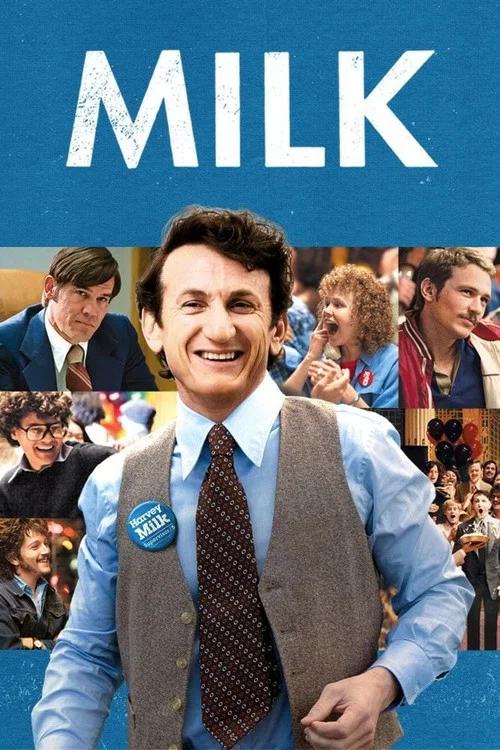
  4. Milk (2008) poster

    Milk

    Gus Van Sant · 2008

    The film cuts in real archive footage of the political fights of the time, such as the campaign over Proposition 6, which would have barred gay and lesbian people from teaching in California public schools. The real footage makes the dramatized scenes feel like history.

    Where to see it: Proposition 6 campaign: Archive news footage appears next to scenes of Milk organizing against the initiative.

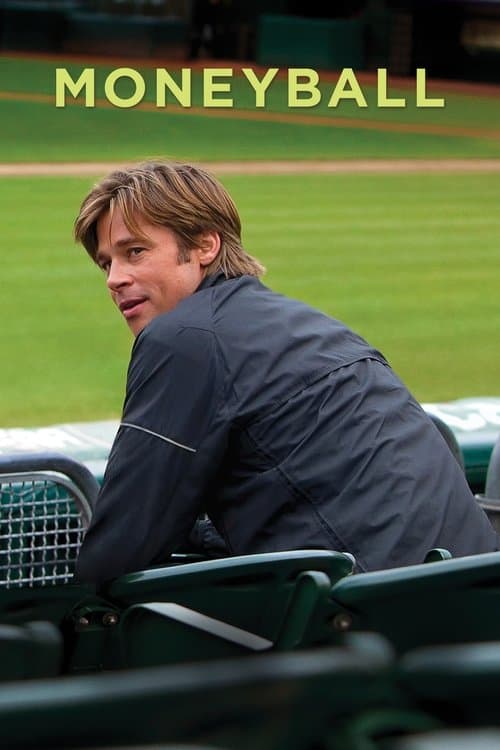
  5. Moneyball (2011) poster

    Moneyball

    Bennett Miller · 2011

    Miller mixes real baseball footage, with actual games and actual players, into the scenes the film recreates. Blending documentary and fiction makes the statistical case more convincing because you can check the results. As a matter of fact, the 20-game winning streak is a real historical event.

    Where to see it: The winning streak montage. Actual game footage is cut together with the dramatized scenes. The 2 layers back each other up, and the real record makes the fiction feel true.

  6. American Sniper (2014) poster

    American Sniper

    Clint Eastwood · 2014

    After an on-screen note says Kyle was killed, the film uses archive footage of the crowds lining the highway for his funeral procession. Real people in real grief replace the actors. It puts the story back inside a real event.

    Where to see it: Closing: a subtitle reveals Kyle was killed by Eddie Ray Routh. Archive footage of crowds along the highway for the funeral procession follows, then footage of the memorial service.

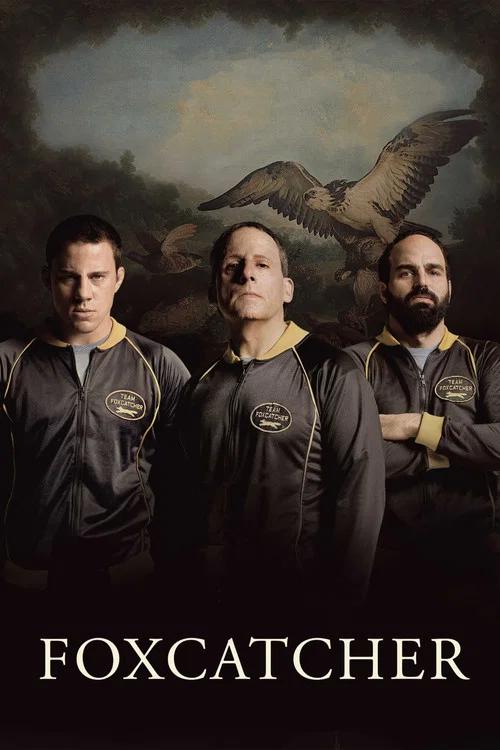
  7. Foxcatcher (2014) poster

    Foxcatcher

    Bennett Miller · 2014

    The scene where the wrestlers take a morning off from training to watch mixed martial arts uses real footage of Gary Goodridge beating Paul Herrera at UFC 8. Cutting in real footage makes the scene feel like a real television broadcast.

    Where to see it: MMA viewing: Mark and his teammates skip training to watch a televised cage fight, and du Pont slaps Mark in anger.

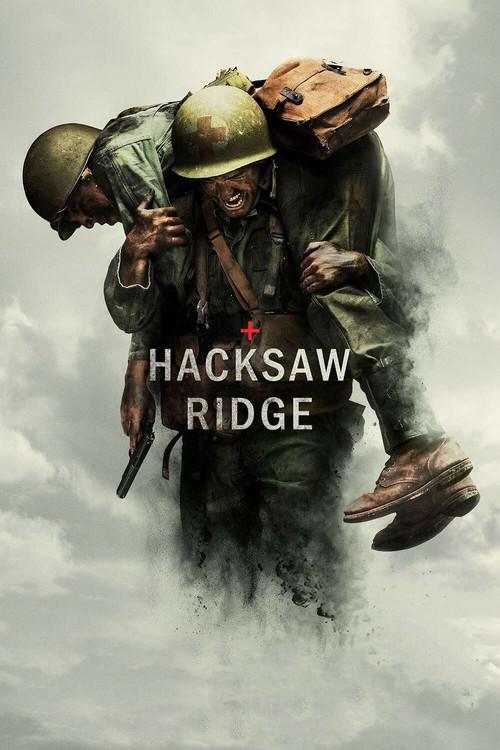
  8. Hacksaw Ridge (2016) poster

    Hacksaw Ridge

    Mel Gibson · 2016

    The story closes on real footage of Desmond Doss receiving the Medal of Honor from President Truman, then an interview with him shortly before his death. The real man replaces the actor. It tells you the film's events are true.

    Where to see it: Epilogue: Footage shows the real Desmond Doss receiving the Medal of Honor, followed by an interview with him.

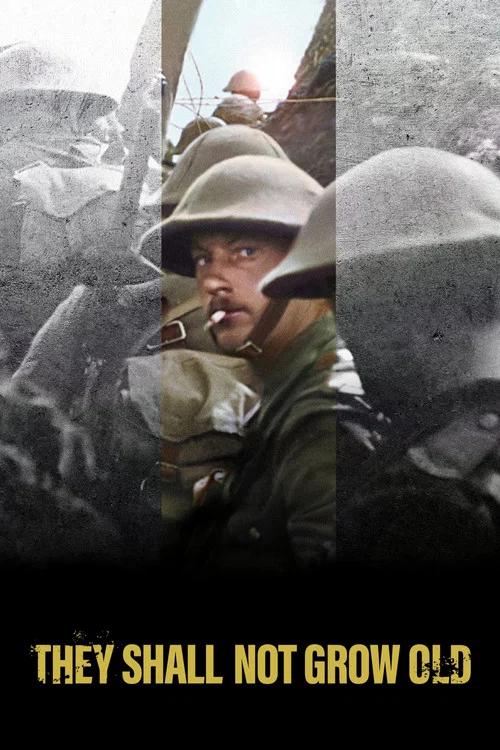
  9. They Shall Not Grow Old (2018) poster

    They Shall Not Grow Old

    Peter Jackson · 2018

    The film was colorized and restored, and the crew re-timed it from 13 to 24 frames per second. The men stop looking like figures from a stiff photograph. Some archivists objected, which is part of the debate about the method.

    Where to see it: Soldiers walk toward the camera: Restored color footage shows men grinning and posing for the lens.

  10. Warfare (2025) poster

    Warfare

    Alex Garland, Ray Mendoza · 2025

    Before the credits, the film shows photos of the real SEALs on set with the actors who played them. Many faces are blurred for privacy. Garland said he wanted to remind you that this was a construction based on real people.

    Where to see it: The ending photos. Pictures from the production show the real platoon members beside their actors, and the film is dedicated to Elliott Miller.

  11. 28 Years Later (2025) poster

    28 Years Later

    Danny Boyle · 2025

    A montage cuts real British wartime footage with clips from the 1944 film Henry V, set to a 1915 recording of Kipling's poem 'Boots'. You watch a cut-off community turn half-remembered history into its own legend. The real images make the island feel stuck in the past.

    Where to see it: The Kipling montage. War footage and film clips play over the 1915 recording of 'Boots'.

Questions

Quick answers

What is documentary footage integration in film?
Cutting real documentary or archive footage into a fictional story, such as authentic records of wartime atrocities. It grounds the fiction in history and blurs the line between cinema and the record.
Which films use documentary footage integration?
The Stranger (1946), Mirror (1975), Come and See (1985), Milk (2008), Moneyball (2011), American Sniper (2014) and 5 more films in the CineCode library.
What kind of technique is documentary footage integration?
It is a editing technique. Related editing techniques include others listed on the CineCode techniques page.