A poor Tokyo family lives on an old woman's pension and small thefts. One cold night they bring home a neglected little girl and decide to keep her. Kore-eda asks what makes a family and leaves you to decide. Watch how long he lets scenes run without telling you how to feel.
Shoplifters is a 2018 drama and crime film directed by Hirokazu Kore-eda. This breakdown covers 5 techniques (3 narrative, 1 cinematography and 1 psychology), each with the scene where you can see it. If you like how it is made, Winter's Bone uses several of the same techniques.
Watching events from a measured distance with no swelling music, tear-jerking close-ups or showy camera moves. The film trusts what happens to carry the weight on its own.
How this film uses it
Kore-eda keeps the camera at a respectful distance and rarely pushes in for emotion. The family steals, eats, laughs and cries in the same small house. He leaves it to you to judge them.
Where to see it
The shoplifting lesson. Osamu and Shota steal from stores using hand signals, and Osamu tells Shota that unsold goods belong to no one.
Showing real social hardship and personal failure honestly while still letting love, grief and community matter. The film is openly emotional without pretending things are easy.
How this film uses it
Poverty is plain here, with a laundry job, an injured day laborer and a dead husband's pension. The family still shares meals, jokes and a trip to the sea, and the love feels believable. You care about them without pretending their life is easy.
Where to see it
The beach outing. The family goes to the sea together, and soon after, Hatsue dies in her sleep.
Using specific working-class parts of a city, like its bars, docks and construction sites, to define the characters. The places show who they are expected to be and what leaving would cost.
How this film uses it
The family crowds into a small old house in Tokyo, with money from a pension and low-paid jobs. The cramped rooms hold their things and their secrets. You see how little space the city gives them.
Where to see it
The family house. Hatsue owns the cramped home, and her late husband's pension supports everyone inside.
Closing on an outcome that hurts even where it succeeds. A reunion lacks warmth or a win leaves the character empty.
How this film uses it
Yuri is returned to her parents, who go on neglecting her, and she looks back at the home she shared with the family. Shota accepts Osamu as a father only as the bus pulls away. The ending hurts even where it gives you a small relief.
Where to see it
The final bus scene. Shota's bus leaves, Osamu runs after it, and Shota finally looks back.
Gathering people who are not blood relatives into a household that works like a family. Their bond comes from shared meals and secrets, so exposing it threatens everyone.
How this film uses it
They take in Yuri, rename her Lin and teach her to steal. Osamu wants Shota to call him father and Yuri to see him as a brother. When the police arrive, you learn what each person was hiding about how they came together.
Where to see it
The renaming of Yuri. After TV reports that police are searching for her, the family cuts her hair, burns her clothes and calls her Lin.
Questions
Shoplifters: quick answers
What filmmaking techniques does Shoplifters use?
CineCode breaks down 5 techniques in Shoplifters (2018): Observational Restraint, Sentimental Realism, Working-Class Geography, Bittersweet Ending and Found Family Structure.
Who directed Shoplifters?
Hirokazu Kore-eda directed Shoplifters, released in 2018. CineCode also covers Monster (2023).
What films are similar to Shoplifters?
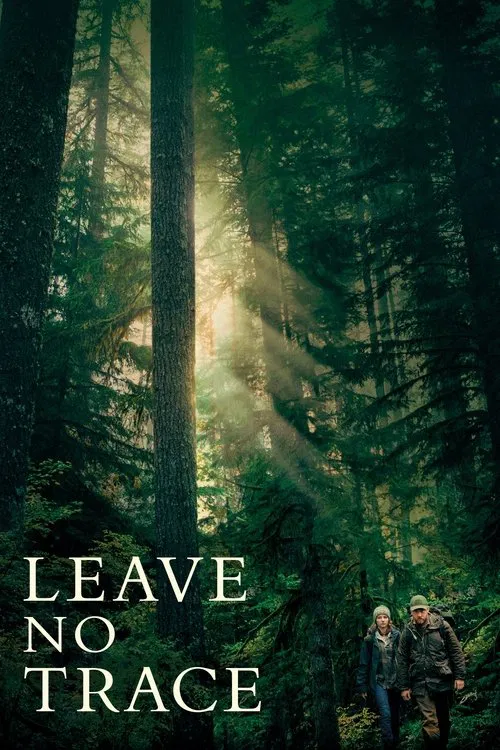
Films that share techniques with Shoplifters include Winter's Bone (2010), Leave No Trace (2018), You Can Count on Me (2000), It's a Wonderful Life (1946).