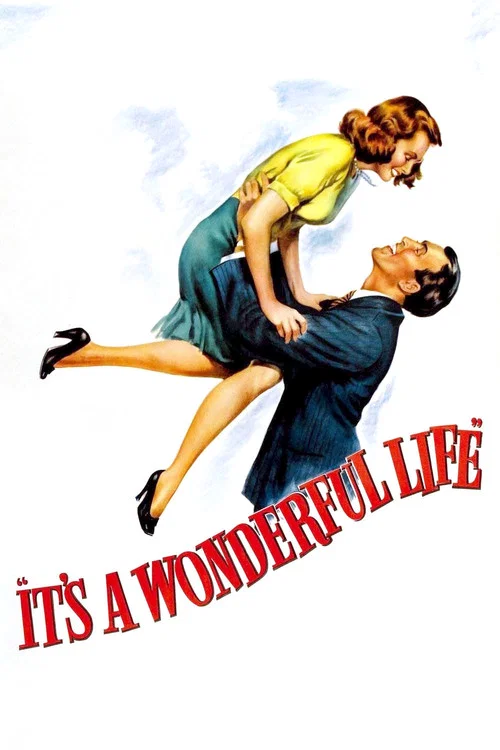
A desperate man on the brink of suicide is shown by his guardian angel what the world would look like if he had never been born. It's a film about how much ordinary lives quietly matter and the community bonds that give life meaning.
It's a Wonderful Life is a 1946 drama and fantasy film directed by Frank Capra. This breakdown covers 4 techniques (2 narrative and 2 cinematography), each with the scene where you can see it. If you like how it is made, You Can Count on Me uses several of the same techniques.
Building the story on a what-if, such as a version of history or of a life that went differently. Seeing the alternative shows you why the real version matters.
How this film uses it
For a short stretch near the end of the film, George Bailey experiences Bedford Falls as Pottersville, the town as it would be without his decades of sacrifice. Every Pottersville scene is a negative image of a scene you have already seen. Seeing what is missing ends up hitting harder than seeing it there did.
Where to see it
George walking through Pottersville and finding that his mother doesn't know him. You see the loss because something else now stands where his life used to be.
Treating a small town as more than a setting. Its buildings, lighting and relationships show the community's values and limits, which shape what the characters can do and what gets destroyed.
How this film uses it
Cinematographer Joseph Walker built Bedford Falls as a warm place where the light seems to come naturally from homes, storefronts and faces. Every building stands for a human relationship. The contrast with Pottersville (neon, loud, strangers) is in the mood, and it is also in the buildings themselves.
Where to see it
Bedford Falls's Main Street against Pottersville's Main Street. It's the same layout with the opposite moral feel.
Changing a film's lighting as the story turns, from warm polished light to harsh or heavy darkness. The look tracks a character's loss of control or despair.
How this film uses it
The bridge sequence, with George thinking about suicide, is one of the darkest-looking scenes in the film. It was shot in the summer heat with artificial snow. Its cold look is the opposite of every warm interior the film has built. You feel the temperature drop, and it reads as George's moral and emotional state.
Where to see it
George on the bridge in the snow. This is the film's visual and emotional low point before Clarence steps in.
Showing real social hardship and personal failure honestly while still letting love, grief and community matter. The film is openly emotional without pretending things are easy.
How this film uses it
Capra spends the entire film documenting George's legitimate grievances: sacrificed ambitions, financial ruin, a moment of real despair. As cliche as it sounds, the happy ending is earned precisely because the film has taken the unhappiness seriously. The sentiment is where the realism ends up.
Where to see it
The final sequence. Every person George helped comes back to help him, and you can see the community's grateful memory of him.
Questions
It's a Wonderful Life: quick answers
What filmmaking techniques does It's a Wonderful Life use?
CineCode breaks down 4 techniques in It's a Wonderful Life (1946): Counterfactual Narrative, Small Town as Moral Geography, Lighting Shift as Story Arc and Sentimental Realism.
Who directed It's a Wonderful Life?
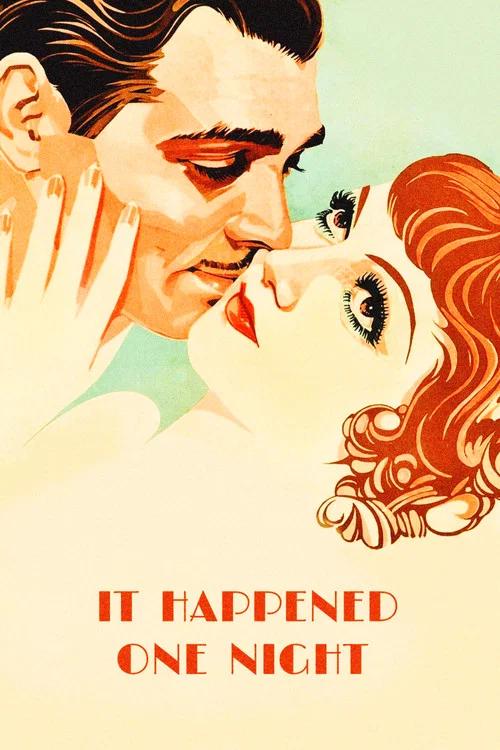
Frank Capra directed It's a Wonderful Life, released in 1946. CineCode also covers It Happened One Night (1934).
What films are similar to It's a Wonderful Life?
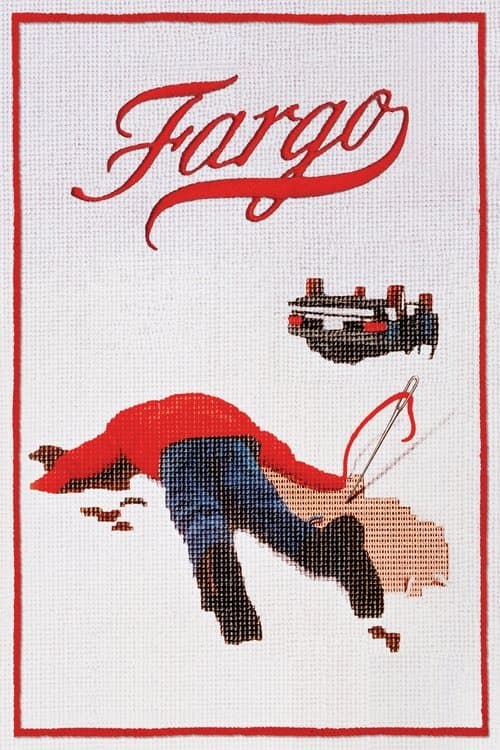
Films that share techniques with It's a Wonderful Life include You Can Count on Me (2000), Cinema Paradiso (1988), Inglourious Basterds (2009), Fargo (1996).