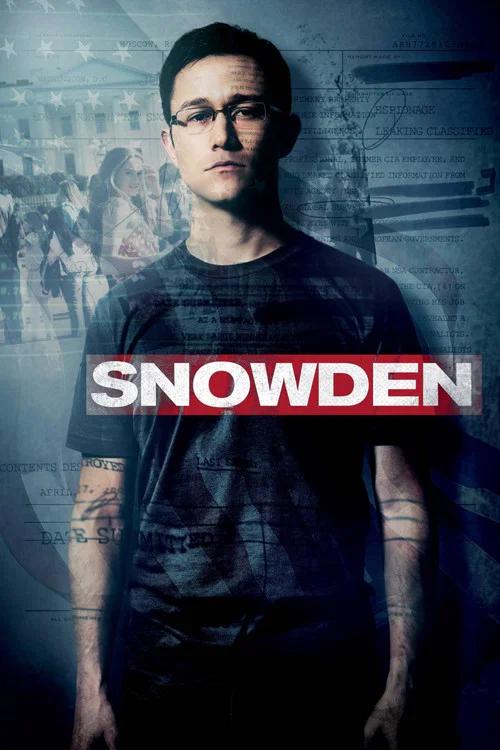
Edward Snowden is a young computer expert who rises through the CIA and NSA. When he learns how far government surveillance goes, he decides to leak secrets to journalists in a Hong Kong hotel. Stone shows how an ordinary guy becomes the most wanted person in the world.
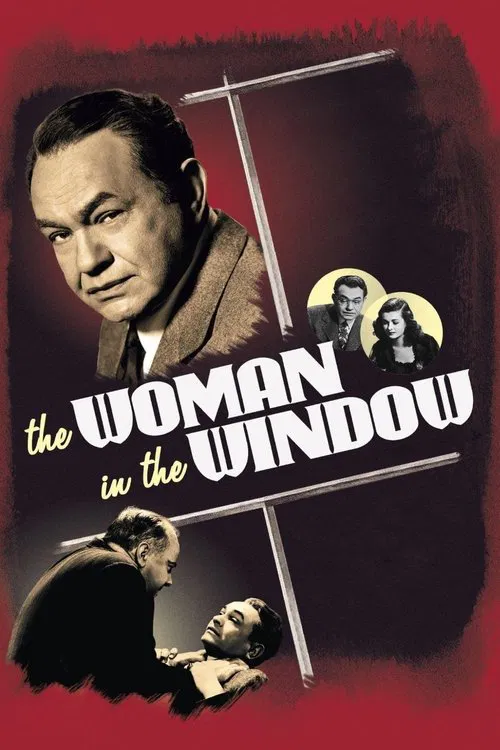
Snowden is a 2016 drama, thriller and biography film directed by Oliver Stone. This breakdown covers 5 techniques (2 narrative, 2 cinematography and 1 psychology), each with the scene where you can see it. If you like how it is made, The Woman in the Window uses several of the same techniques.
Cutting back and forth between 2 timelines, often past and present. Each one helps explain the other as the film goes on.
How this film uses it
The film starts in a Hong Kong hotel in 2013, where Snowden meets two journalists. It then cuts back to his army training in 2004 and moves forward until the two timelines meet. The reporters' questions give you a reason to look at each stage of his career.
Where to see it
The hotel meeting. Snowden meets Laura Poitras and Glenn Greenwald in Hong Kong, and the film then jumps back to his days in basic training.
Dropping a normal citizen with no special training into a conspiracy or crime. You identify with them because they are as unprepared as you would be.
How this film uses it
Snowden begins as a young soldier and computer worker with a regular life and a girlfriend, Lindsay Mills. He is a computer specialist, not an action hero. His everyday life, from his job to his move to Hawaii, makes the leak feel like a choice any thoughtful person might face.
Where to see it
Hawaii. Snowden moves there with Lindsay and learns that a program he worked on supports drone strikes.
Using camera angles and framing to show who has power. A low angle makes a character look bigger and a high angle makes them look small. The balance can shift between shots.
How this film uses it
The camera shows how small one employee is next to the agency. His CIA boss Corbin appears huge on a video screen while Snowden stands below him. The size gap shows who holds the power before anyone says a word.
Where to see it
The Geneva video call. Corbin O'Brian watches Snowden on a giant screen on the wall.
Letting a character's guilt over a past wrong shape what they do now. The wrong may come out late or only be hinted at, but it colors every choice.
How this film uses it
Snowden's choice comes from what he learns about his own work. He finds out that a program he helped build is used for drone strikes. His quiet sense of responsibility colors his later decision to copy the files.
Where to see it
The Hawaii discovery. He learns that the Epic Shelter backup program supports drone strikes in Pakistan.
Placing a key object in clear view where nobody looks at it, then pointing the camera at it at the right moment. You realize it was visible the whole time.
How this film uses it
Snowden smuggles the data out on a microSD card hidden in a Rubik's Cube. A toy that looks harmless passes every checkpoint. The trick works because it sits in plain view and nobody thinks it matters.
Where to see it
The walk out. Snowden carries the Rubik's Cube out of the office with the card inside.
Questions
Snowden: quick answers
What filmmaking techniques does Snowden use?
CineCode breaks down 5 techniques in Snowden (2016): Parallel Chronology, Ordinary Person in Extraordinary Plot, Asymmetric Power Framing, Guilt as Hidden Motive and Hidden in Plain Sight.
Who directed Snowden?
Oliver Stone directed Snowden, released in 2016. CineCode also covers Platoon (1986).
What films are similar to Snowden?
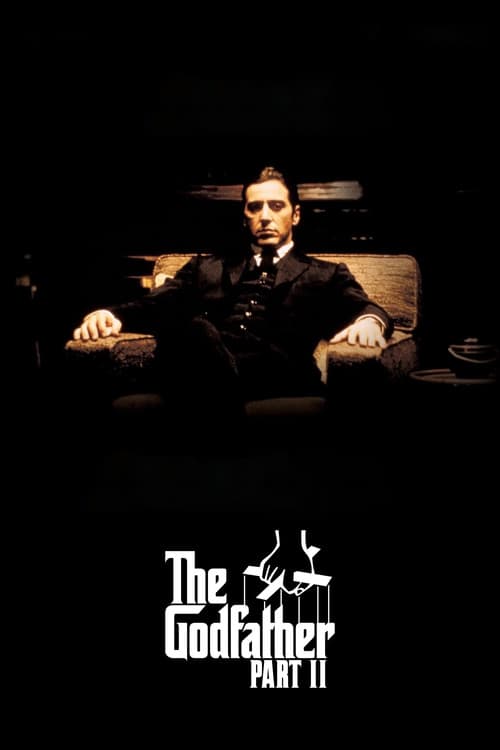
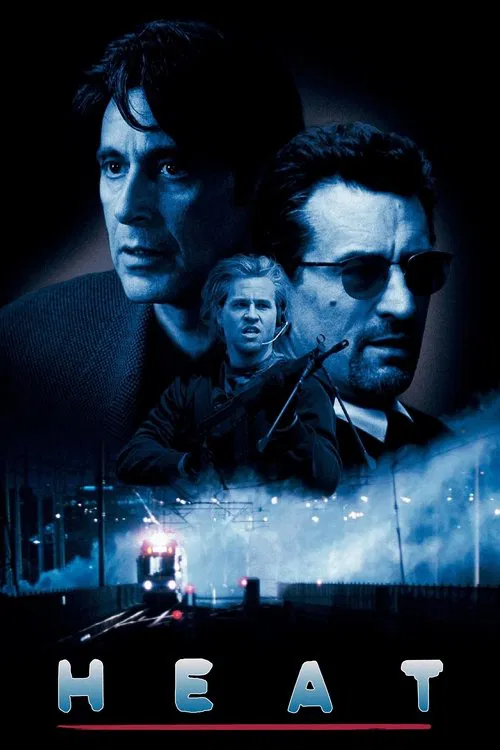
Films that share techniques with Snowden include The Woman in the Window (1944), Bugonia (2025), The Godfather Part II (1974), Heat (1995).