Film Noir · Thriller · Crime

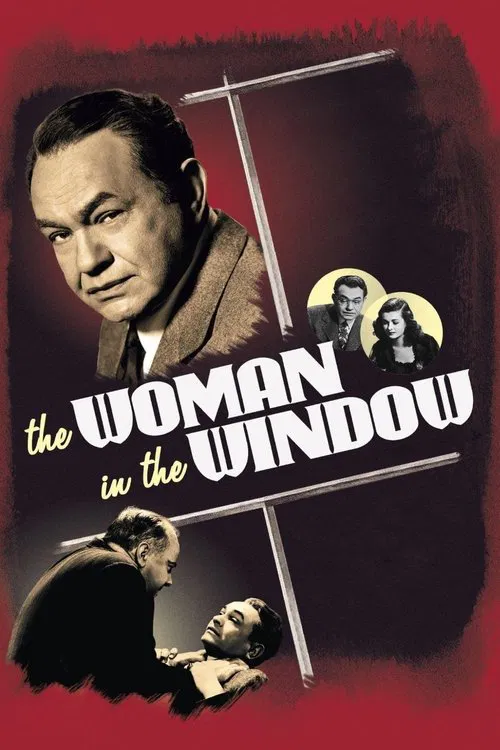
The Woman in the Window

Fritz Lang, 1944

Professor Richard Wanley admires a woman's portrait in a gallery window, then meets her, and a night out ends in a killing. Hiding the body pulls him deeper. Worth watching for how Lang plays with who is looking at whom.

The Woman in the Window (1944) poster

At a glance

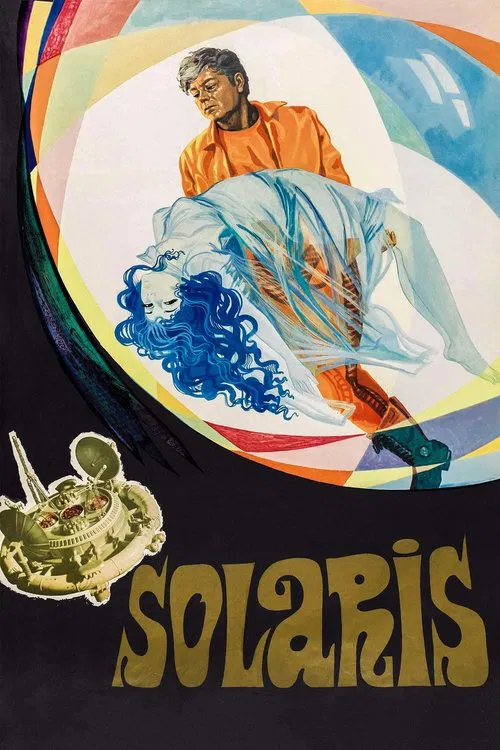
The Woman in the Window is a 1944 film noir, thriller and crime film directed by Fritz Lang. This breakdown covers 4 techniques (1 cinematography, 2 narrative and 1 psychology), each with the scene where you can see it. If you like how it is made, Solaris uses several of the same techniques.

Cinematography

Window as Framing Device

Using windows between characters to frame looking, longing and distance. The glass keeps people apart while showing them to each other.

How this film uses it

A portrait in a gallery window near Wanley's club draws him in. The glass frames looking and longing before the real woman appears.

Where to see it

The gallery window: Wanley admires the portrait, and its model, Alice Reed, meets him there.
Narrative

Ordinary Person in Extraordinary Plot

Dropping a normal citizen with no special training into a conspiracy or crime. You identify with them because they are as unprepared as you would be.

How this film uses it

Wanley is a quiet professor with no criminal skills. When he has to hide a body, you feel how unprepared he is.

Where to see it

Hiding the body: after the self-defense killing, Wanley drives the body to the countryside and leaves clues behind.

Psychology

Guilt as Hidden Motive

Letting a character's guilt over a past wrong shape what they do now. The wrong may come out late or only be hinted at, but it colors every choice.

How this film uses it

Wanley's guilt over the killing drives him to slip up. He keeps leaving signs of what he did, as if he cannot hide it.

Where to see it

The blackmail: Heidt, a former cop, threatens Alice, and Wanley supplies poison.

Narrative

Retroactive Reframing Revelation

Saving a reveal for the climax that changes the meaning of every scene before it. You have to rebuild the whole film in your head with the new knowledge.

How this film uses it

Lang persuaded the studio to drop the original tragic ending. The dream framing changes the meaning of everything you watched.

Where to see it

The ending: Wanley wakes in his club chair, the whole story was a dream, and on the street a woman asks him to light her cigarette. He refuses and runs.

Questions

The Woman in the Window: quick answers

What filmmaking techniques does The Woman in the Window use?
CineCode breaks down 4 techniques in The Woman in the Window (1944): Window as Framing Device, Ordinary Person in Extraordinary Plot, Guilt as Hidden Motive and Retroactive Reframing Revelation.
Who directed The Woman in the Window?
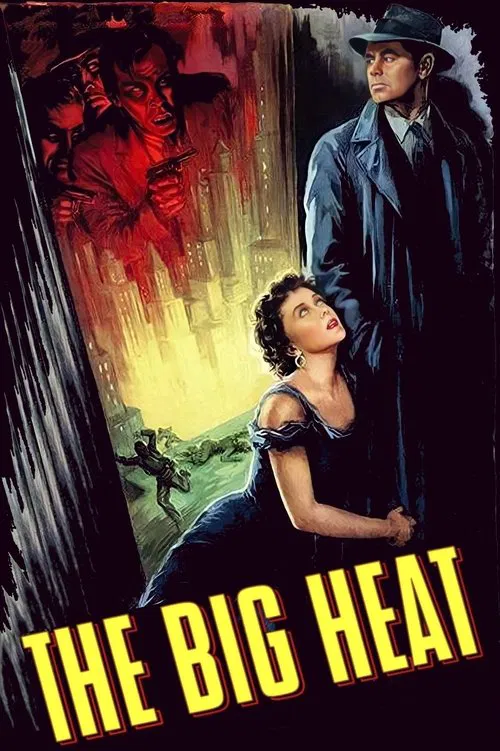
Fritz Lang directed The Woman in the Window, released in 1944. CineCode also covers Metropolis (1927), M (1931), The Testament of Dr. Mabuse (1933), Scarlet Street (1945), The Big Heat (1953).
What films are similar to The Woman in the Window?
Films that share techniques with The Woman in the Window include Solaris (1972), Snowden (2016), Star Wars: The Empire Strikes Back (1980), Oldboy (2003).