Comedy · Fantasy · Mystery

Who Framed Roger Rabbit

Robert Zemeckis, 1988

In 1947 Los Angeles, cartoon characters live alongside humans. A washed-up detective named Eddie Valiant must clear Roger Rabbit of a murder charge. Watch how real actors and drawn characters seem to share the same space.

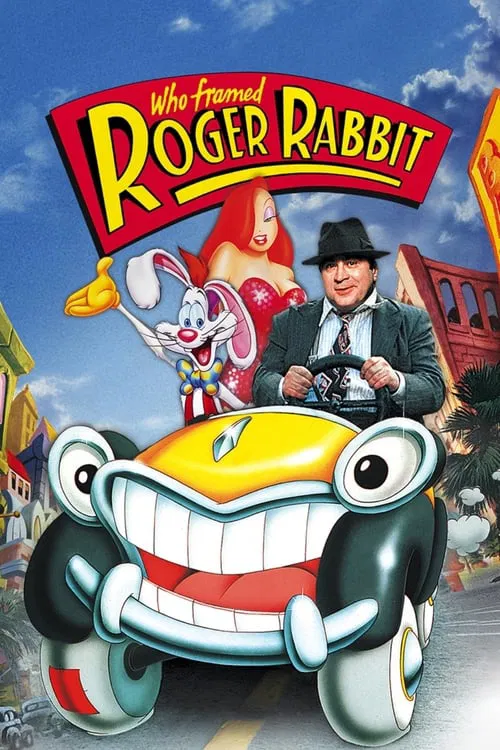
Who Framed Roger Rabbit (1988) poster

At a glance

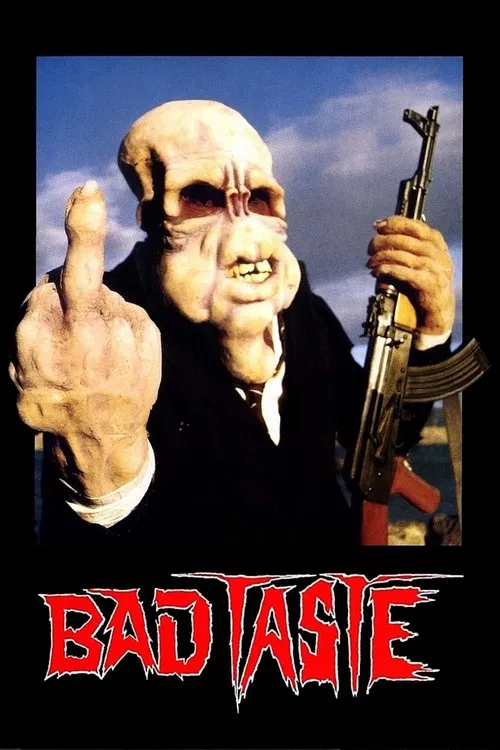
Who Framed Roger Rabbit is a 1988 comedy, fantasy and mystery film directed by Robert Zemeckis. This breakdown covers 5 techniques (1 editing, 1 cinematography and 3 narrative), each with the scene where you can see it. If you like how it is made, Bad Taste uses several of the same techniques.

Editing

In-Camera and Compositing Tricks

Using effects such as reverse motion, split performances or live action mixed with animation to place impossible things in one frame. The trick is part of the show.

How this film uses it

Cartoon characters cast shadows, hold real props and move with the live camera. On set, puppeteers, rubber mannequins and robotic arms helped the actors react to something. Because the animation sits so firmly in the frame, you believe it.

Where to see it

The Ink and Paint Club: Eddie photographs Jessica Rabbit with Marvin Acme while the cartoon and human worlds mix in the same club.
Cinematography

Practical In-Camera Effects

Creating effects physically on set with makeup, prosthetics, built props and camera tricks, with no computer graphics added later. The results look solid and real.

How this film uses it

Many of the live shots used physical tricks. Props moved on strings, robotic arms held things, and rubber mannequins showed the actors where to look. Charles Fleischer even wore a Roger Rabbit costume on set. The result is a world where cartoon objects have real weight.

Where to see it

The opening cartoon: A refrigerator falls on Roger during a cartoon shoot, and the director stops the take because his reaction is wrong.

Narrative

Genre Collage

Mixing several genres in 1 film, such as crime, romance, horror and absurd comedy. The clash between them keeps you from settling into a single way of watching.

How this film uses it

The film is a film noir detective story crossed with a slapstick cartoon. A murder case and a conspiracy about land share space with talking rabbits and cartoon weasels. The clash keeps you off balance.

Where to see it

The investigation: Eddie follows the case of Marvin Acme's death while dealing with Judge Doom and the weasels.

Narrative

The MacGuffin

Giving the characters an object, secret or goal that everyone chases. What it actually is barely matters, because its job is to set the characters against each other.

How this film uses it

Everyone is chasing Acme's missing will. The paper looks blank, and the plot depends on it. In the end, the blank page is the key.

Where to see it

The blank will: Eddie realizes the will was written in invisible ink, confirming the toons own Toontown.

Narrative

Comedy Under Duress

Putting jokes and comic performance inside dangerous or desperate situations. The humor works as a way of resisting, and you never forget what the characters are laughing through.

How this film uses it

Eddie has to use comedy to survive. He finally beats the weasels by making them laugh so hard they die, using the cartoon logic he used to hate. It turns the film's central joke into a weapon.

Where to see it

The weasels' laughter: At Acme's factory, Eddie performs a comedy routine that makes the weasels laugh themselves to death.

Questions

Who Framed Roger Rabbit: quick answers

What filmmaking techniques does Who Framed Roger Rabbit use?
CineCode breaks down 5 techniques in Who Framed Roger Rabbit (1988): In-Camera and Compositing Tricks, Practical In-Camera Effects, Genre Collage, The MacGuffin and Comedy Under Duress.
Who directed Who Framed Roger Rabbit?
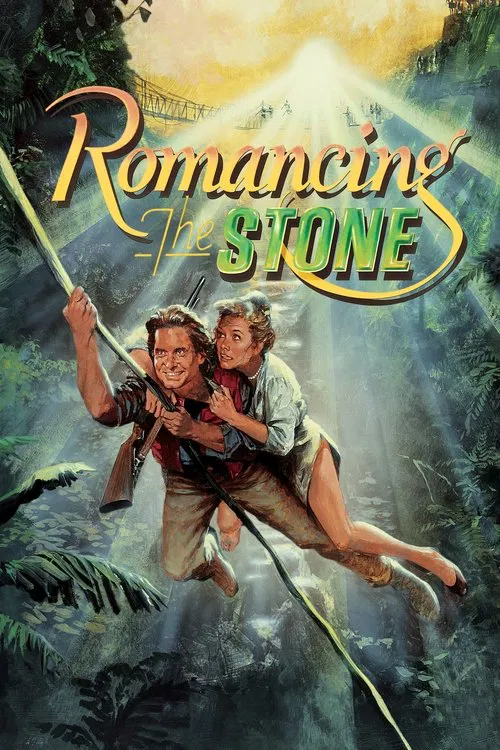
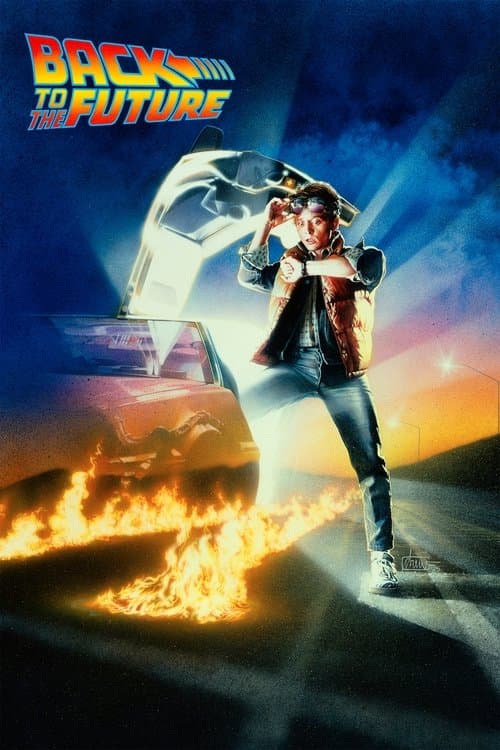
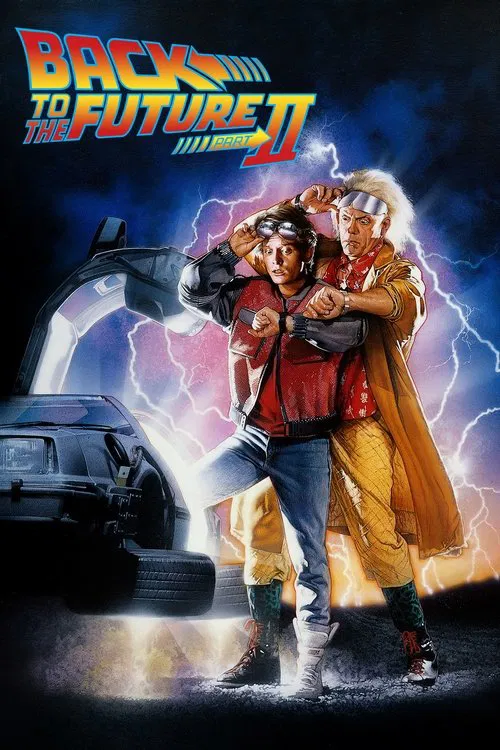
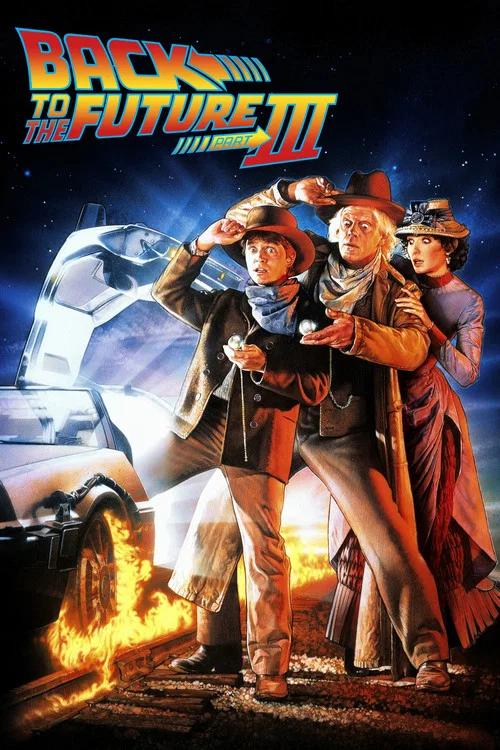
Robert Zemeckis directed Who Framed Roger Rabbit, released in 1988. CineCode also covers Romancing the Stone (1984), Back to the Future (1985), Back to the Future Part II (1989), Back to the Future Part III (1990), Death Becomes Her (1992), Forrest Gump (1994).
What films are similar to Who Framed Roger Rabbit?
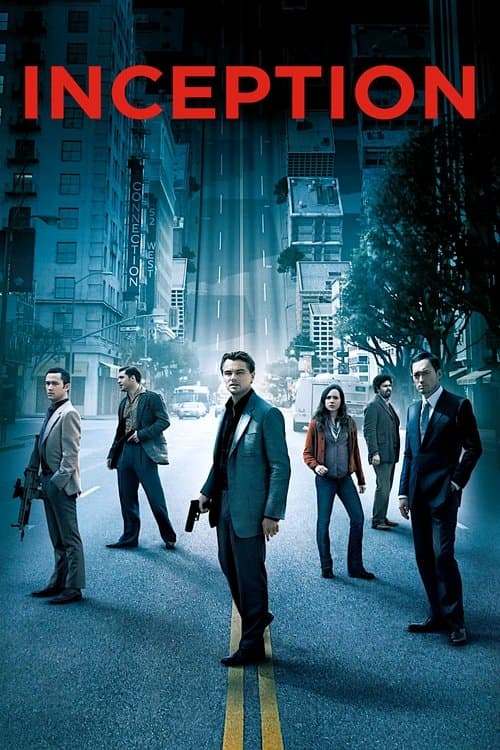
Films that share techniques with Who Framed Roger Rabbit include Bad Taste (1987), Inception (2010), Bram Stoker's Dracula (1992), The Phoenician Scheme (2025).