Horror · Romance · Fantasy

Bram Stoker's Dracula

Francis Ford Coppola, 1992

In 1897, a young lawyer travels to Transylvania to close a property deal with Count Dracula. The Count sees a photo of the lawyer's fiancée Mina and believes she is his lost wife reborn, so he follows her to London. Coppola refused digital effects, and every trick you see was done in the camera.

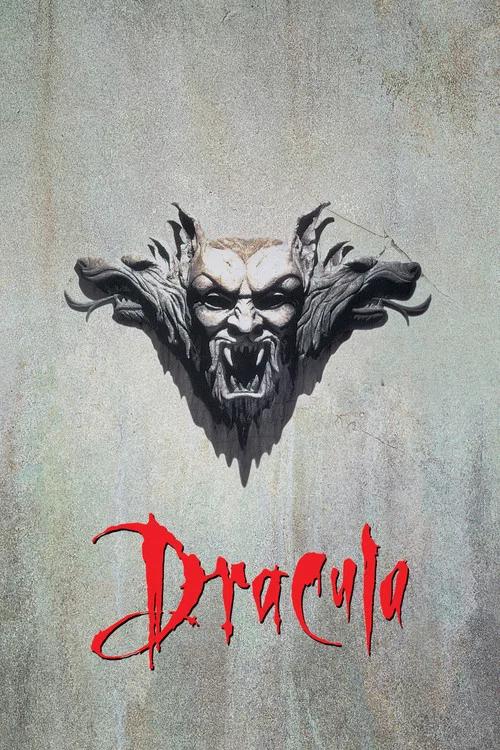
Bram Stoker's Dracula (1992) poster

At a glance

Bram Stoker's Dracula is a 1992 horror, romance and fantasy film directed by Francis Ford Coppola. This breakdown covers 4 techniques (2 cinematography, 1 narrative and 1 editing), each with the scene where you can see it. If you like how it is made, Moby Dick uses several of the same techniques.

Cinematography

Practical In-Camera Effects

Creating effects physically on set with makeup, prosthetics, built props and camera tricks, with no computer graphics added later. The results look solid and real.

How this film uses it

Coppola rejected CGI and hired his son Roman Coppola to run the effects. They used rear projection, multiple exposure and forced perspective, and they filmed some of Lucy's movements in reverse. Because the effects were physical, the film looks like an old silent movie that came alive.

Where to see it

Lucy as a vampire. Her movements were filmed in reverse and processed backward, which makes her motion look wrong.
Narrative

Obsession as Structural Engine

Building the whole plot on one character's fixation with a person, goal or rival. Every scene ties back to it, and the obsession keeps feeding itself while it destroys them.

How this film uses it

Dracula's whole plan comes from one belief: that Mina is his dead wife Elisabeta come back. That belief sends him from his castle to London and drives every attack. The film keeps tying each scene back to it.

Where to see it

The photograph. Dracula sees Mina's picture in Harker's papers and decides she is Elisabeta reborn.

Cinematography

Costume as Storytelling

Designing wardrobes that carry character, status or change as much as the acting does. Clothes tell you who someone is or has become before they speak.

How this film uses it

Eiko Ishioka's costumes are central to the film's look. Dracula's clothes and makeup, including nearly 7 hours to age Gary Oldman, make him look different in each phase of his life. You read his power and desire in what he wears.

Where to see it

The prologue. Dracula, in armor, returns from battle to find his wife dead and stabs his sword into a chapel cross.

Editing

In-Camera and Compositing Tricks

Using effects such as reverse motion, split performances or live action mixed with animation to place impossible things in one frame. The trick is part of the show.

How this film uses it

Some of Lucy's movements were filmed in reverse and processed backward to create strange vampire motion. The motion stays human in shape but is off in rhythm. Your eyes sense that something is wrong before you work out why.

Where to see it

Lucy after the bite. Once Dracula has turned her, her movements look like footage played the wrong way.

Questions

Bram Stoker's Dracula: quick answers

What filmmaking techniques does Bram Stoker's Dracula use?
CineCode breaks down 4 techniques in Bram Stoker's Dracula (1992): Practical In-Camera Effects, Obsession as Structural Engine, Costume as Storytelling and In-Camera and Compositing Tricks.
Who directed Bram Stoker's Dracula?
Francis Ford Coppola directed Bram Stoker's Dracula, released in 1992. CineCode also covers The Godfather (1972), The Godfather Part II (1974), The Conversation (1974), Apocalypse Now (1979), The Outsiders (1983), Rumble Fish (1983).
What films are similar to Bram Stoker's Dracula?
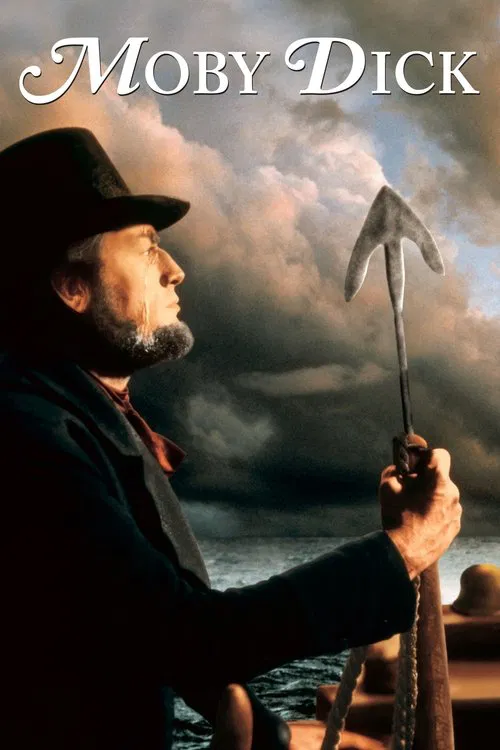
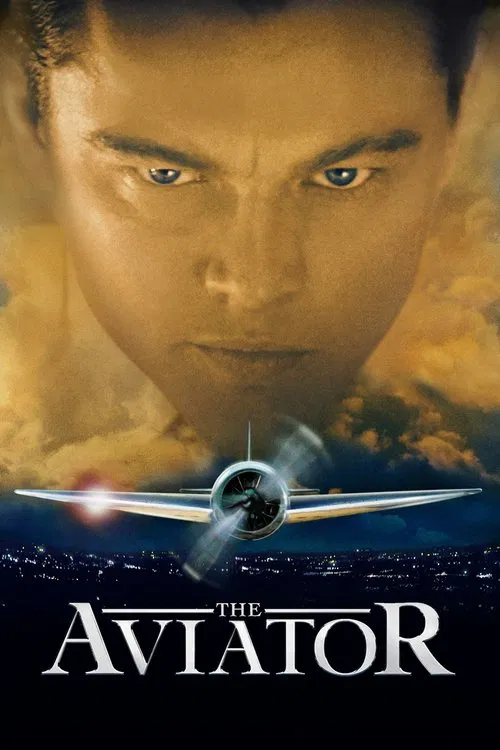
Films that share techniques with Bram Stoker's Dracula include Moby Dick (1956), The Aviator (2004), Bad Taste (1987), Who Framed Roger Rabbit (1988).