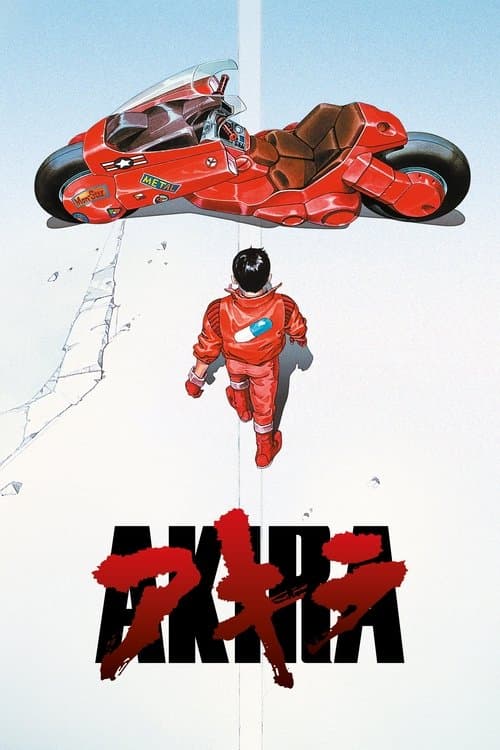
Akira
Katsuhiro Otomo · 1988
In Neo-Tokyo in 2019, thirty years after the city was destroyed by a mysterious explosion, a biker gang member named Kaneda tries to save his childhood friend Tetsuo from a government program that has awakened catastrophic psychic powers within him. Katsuhiro Otomo's film is the founding text of animated science fiction as serious cinema.
Techniques Used
4 techniques identified in this film
Animation as Emotional Amplifier
EditingThe use of animation's capacity for visual abstraction to access emotional states that live-action realism cannot reach.
How this film uses it
Otomo's animation renders psychic power as a physical substance — matter warping, bodies mutating, the city's infrastructure torn apart by consciousness — imagery that only animation could render in 1988, the medium's capacity for impossible destruction giving the film's apocalyptic scope a literal visual reality.
Body Horror
PsychologyA mode of horror that locates dread in the violation, mutation, or loss of control of the human body — the familiar made grotesque.
How this film uses it
Tetsuo's psychic awakening is staged as a body horror event — his flesh expanding beyond control, consuming everything in its radius — the film using the grotesque transformation of a human body as its central visual metaphor for power that the mind cannot contain.
Urban Gothic Cinematography
CinematographyA photographic approach that renders a city's streets as a morally hostile environment — dark, cold, threatening.
How this film uses it
Otomo's Neo-Tokyo is a masterpiece of animated urban gothic — neon-soaked, rain-slicked, controlled by military curfew — the city's infrastructure simultaneously spectacular and menacing, the urban environment a portrait of a society that has rebuilt without healing.
Kinetic Editing
EditingA fast-paced, energetic cutting style that creates propulsive forward momentum.
How this film uses it
The action sequences are cut with a kinetic urgency that was unprecedented in animation — the motorcycle chase, the military pursuit, the psychic combat — the editing creating speed and spatial coherence simultaneously, the cuts generating momentum rather than simply recording it.
You Might Also Like
Films that share at least one technique with Akira
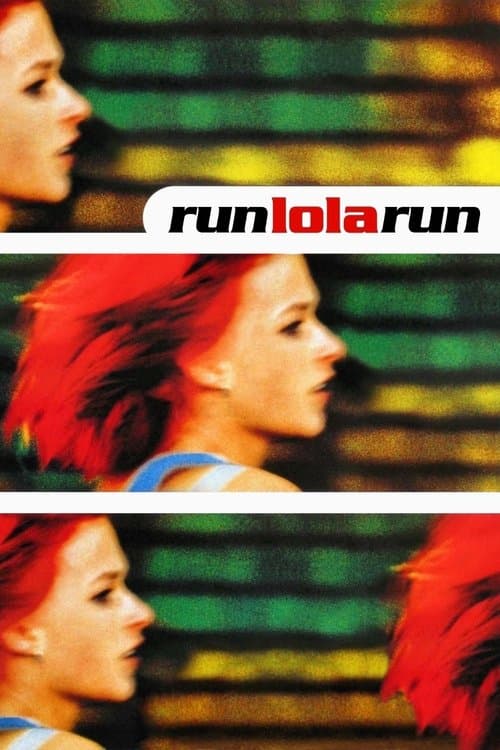
Lola has twenty minutes to get 100,000 Deutschmarks to save her boyfriend's life — and the film runs the scenario three times, each with a different outcome from the same starting point. Tom Tykwer's kinetic experiment uses repetition to argue that fate is a matter of seconds.
Run Lola Run
Tom Tykwer · 1998
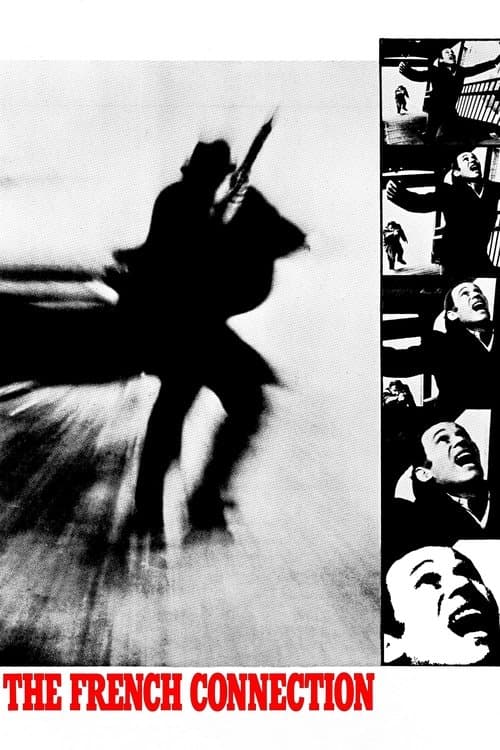
New York narcotics detective Popeye Doyle obsessively pursues a French drug smuggler attempting to move the largest heroin shipment in history through the city — and the pursuit costs him the moral certainty he thought he had. William Friedkin's film reinvented the police procedural as a morally ambiguous urban nightmare.
The French Connection
William Friedkin · 1971
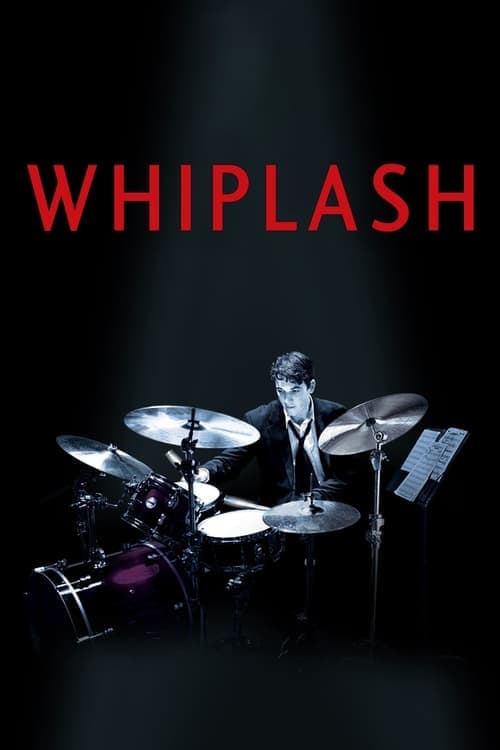
A jazz drumming prodigy at a cutthroat conservatory is pushed to the breaking point by a ferociously demanding conductor. A visceral examination of obsession, abuse, and the price of greatness.
Whiplash
Damien Chazelle · 2014