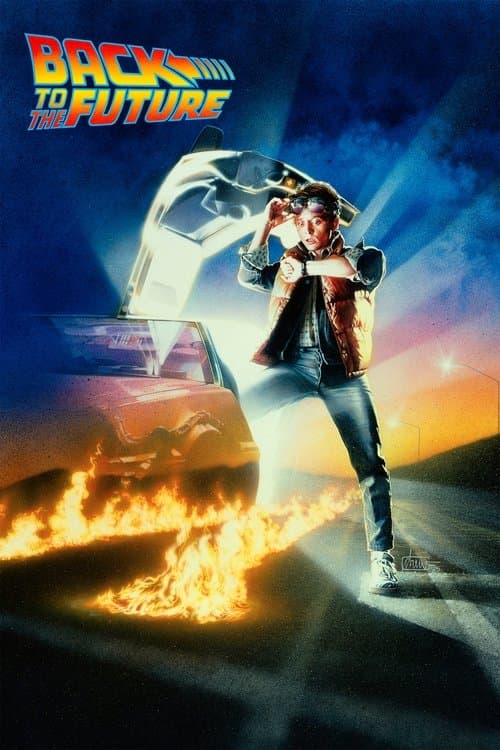
Back to the Future
Robert Zemeckis · 1985
A teenager accidentally travels thirty years into the past and must engineer his parents' first meeting while finding a way home — without erasing himself from existence. A perfectly constructed Rube Goldberg narrative machine in which every element planted in Act 1 pays off in Act 3.
Techniques Used
4 techniques identified in this film
Chekhov's Arsenal
NarrativeA film in which virtually every object, line of dialogue, and character introduced in the first act returns with narrative consequence in the third — the screenplay operating as a closed system of cause and effect.
How this film uses it
Robert Zemeckis and Bob Gale's script is a masterclass of setup and payoff: the DeLorean, the clock tower, the 88mph requirement, the 'chicken' insult, the photograph, Marty's guitar audition — each is introduced casually and returns as a narrative necessity. No element is wasted.
Ticking Clock Structure
NarrativeBuilding a film's third act around a specific, visible deadline — a time, an event, a threshold — that the protagonist must reach with increasingly catastrophic obstacles in the way.
How this film uses it
The lightning strike that will power the time machine is scheduled to the minute. Every delay and complication in the final sequence is measured against that clock. Zemeckis makes the countdown visible — the loose cable, the guitar string, the broken connection — so the audience counts down with Marty.
Fish-Out-of-Water Comedy
NarrativeGenerating comedy from a character's displacement into an environment whose social codes they don't understand — using the gap between their knowledge and the world's expectations as the source of both humor and insight.
How this film uses it
Marty's 1985 cultural references — Clint Eastwood, Darth Vader, rock and roll, Pepsi Free — are consistently incomprehensible or shocking to 1955. The comedy is not just situational; it reveals how much of identity is culturally encoded and how strange the recent past actually was.
Callback Editing
EditingStructuring a film so that later sequences deliberately mirror earlier ones — same location, similar staging, reversed circumstances — creating satisfaction through structural recognition.
How this film uses it
The film's opening and closing Lone Pine Mall sequences, the two versions of Hill Valley's town square in 1955 and 1985, Marty's two guitar auditions — each callback rewards attention and generates the specific pleasure of pattern recognition in narrative.
You Might Also Like
Films that share at least one technique with Back to the Future
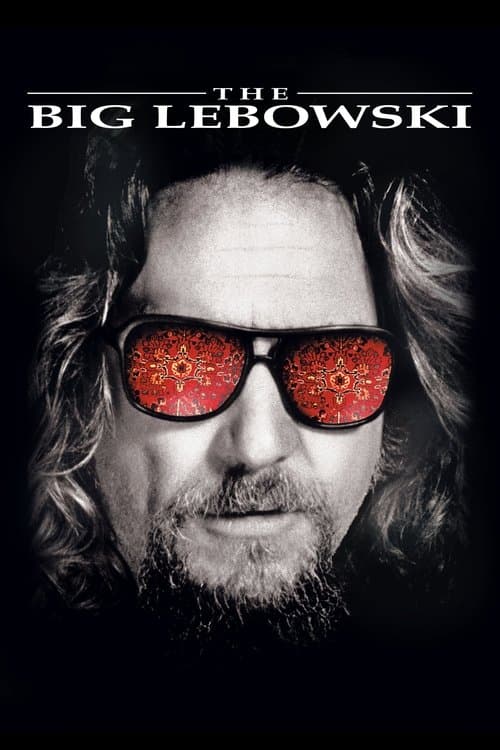
Jeff 'The Dude' Lebowski — an unemployed bowler — is mistaken for a millionaire of the same name and drawn into a kidnapping scheme, a ransom drop, and a series of increasingly surreal encounters with nihilists, pornographers, and Vietnam veterans. The Coen Brothers use the crime genre as a vehicle for the most relaxed philosophical argument in American cinema.
The Big Lebowski
Joel Coen, Ethan Coen · 1998
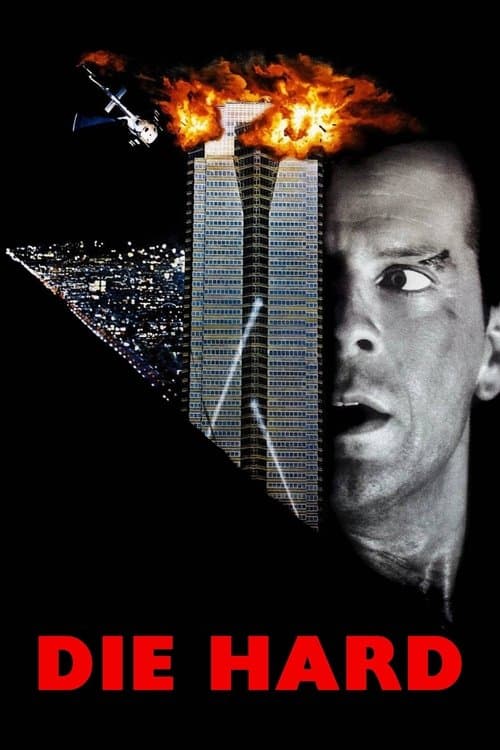
New York cop John McClane visits his estranged wife in Los Angeles on Christmas Eve, only to find her office building taken over by a group of thieves posing as terrorists — and must stop them alone while barefoot on broken glass. The film that defined the modern action template.
Die Hard
John McTiernan · 1988
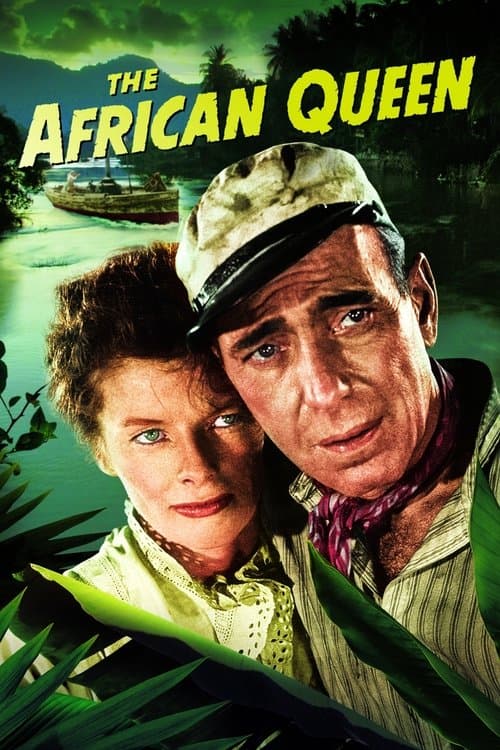
A prim Methodist missionary and a dissolute riverboat captain are thrown together in German East Africa at the outbreak of World War I, and their journey downriver toward the German gunboat Louisa tests whether their complete incompatibility might actually be a form of compatibility. Huston's film is a comedy about the improbability of love.
The African Queen
John Huston · 1951