Ash and his girlfriend rent a cabin in the woods, find a recording of an ancient book and release evil spirits. He ends up alone, fighting off the dead with a chainsaw and a shotgun. Worth watching to see how Raimi makes a horror film as a cartoon, with a camera that never sits still.
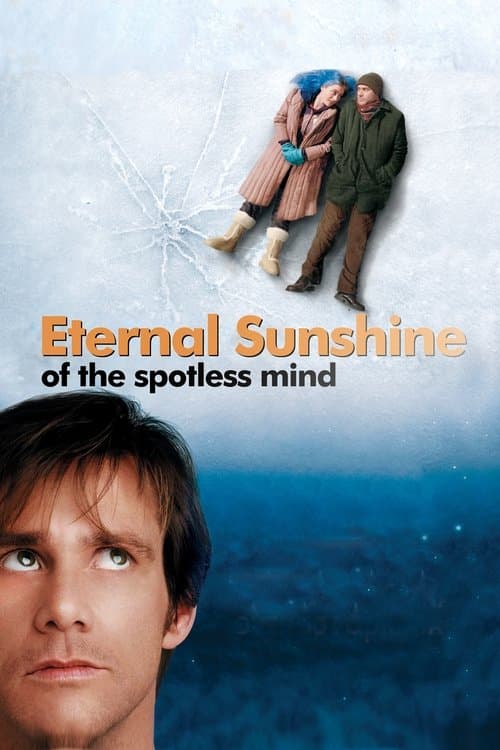
Evil Dead II is a 1987 horror and comedy film directed by Sam Raimi. This breakdown covers 5 techniques (2 narrative, 2 cinematography and 1 psychology), each with the scene where you can see it. If you like how it is made, Eternal Sunshine of the Spotless Mind uses several of the same techniques.
Mixing cartoon-style slapstick with exaggerated gore so the injuries get laughs as well as gasps. The playful tone stays on even when the violence turns gruesome.
How this film uses it
Ash's own right hand turns on him and the fight plays like a Three Stooges routine, with plates smashed over his head and gore everywhere. You laugh at the same moment you flinch, and the film never apologizes for either.
Where to see it
The possessed hand: Ash's hand attacks him and drags him across the floor. He cuts it off with a chainsaw, then traps it under an upturned bucket and piles books on top, including A Farewell to Arms.
Placing the camera where a character's eyes are, or shooting the scene the way that character experiences it. You see and feel things from inside their head.
How this film uses it
The camera plays the evil force. It races low through the woods and slams through the cabin straight at the heroes, with no actor behind it. You feel hunted by something you never get to see.
Where to see it
The rushing force: after the spirits are released, the camera tears through the trees and into the cabin windows and doors, closing in on Ash from behind.
Creating effects physically on set with makeup, prosthetics, built props and camera tricks, with no computer graphics added later. The results look solid and real.
How this film uses it
Almost every gruesome sight was built on set, with puppets, makeup, fake blood and stop-motion models. The goo and limbs have real weight in the frame, which makes the jokes and the scares both land harder.
Where to see it
The cellar: the possessed Henrietta, who was buried in the cellar, swells into a monstrous shape. She is shown with puppets and stop-motion work instead of computer graphics.
Cutting a character off from others, whether by space, confinement or mission, and showing the mind coming apart. Without outside contact, their grip on reality slips.
How this film uses it
Ash starts the film with a girlfriend and ends up with nobody. As the night wears on and his friends die or turn, his mind slips, and the room around him seems to join in.
Where to see it
The laughing room: Ash, worn down and alone, starts laughing hysterically. The deer head on the wall and the lamps in the cabin laugh along with him.
Mixing several genres in 1 film, such as crime, romance, horror and absurd comedy. The clash between them keeps you from settling into a single way of watching.
How this film uses it
The film mixes horror, slapstick comedy and a medieval adventure in one sitting. You are never sure whether to scream or laugh, so you stay off balance.
Where to see it
The ending: Ash is pulled through a time vortex and lands in a medieval battlefield, where knights cheer him as their chosen hero.
Questions
Evil Dead II: quick answers
What filmmaking techniques does Evil Dead II use?
CineCode breaks down 5 techniques in Evil Dead II (1987): Splatstick Tone, Subjective Camera, Practical In-Camera Effects, Isolation-Induced Breakdown and Genre Collage.
Who directed Evil Dead II?
Sam Raimi directed Evil Dead II, released in 1987. CineCode also covers Send Help (2026).
What films are similar to Evil Dead II?
Films that share techniques with Evil Dead II include Eternal Sunshine of the Spotless Mind (2004), The Revenant (2015), Batman Begins (2005), Bad Taste (1987).