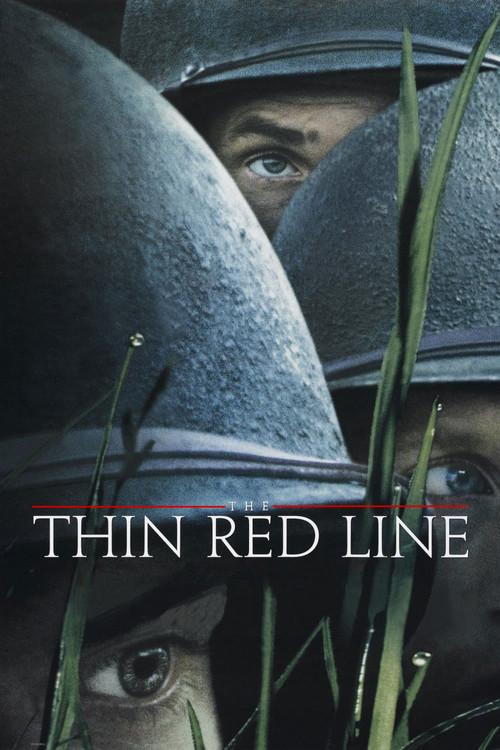
In 1942, an American infantry company lands on Guadalcanal and fights to take a Japanese-held hill. Soldiers speak their thoughts in voiceover while the camera drifts to birds, grass and light. Malick makes you ask what a battle looks like to someone who is a small part of nature.
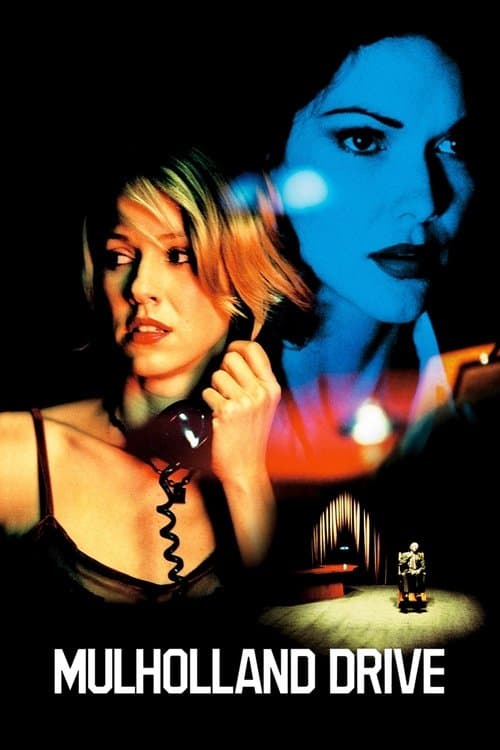
The Thin Red Line is a 1998 war and drama film directed by Terrence Malick. This breakdown covers 4 techniques (2 editing, 1 cinematography and 1 narrative), each with the scene where you can see it. If you like how it is made, Mulholland Drive uses several of the same techniques.
Cutting to an image from outside the story's time and place, such as a memory, fantasy or symbol. It shows what a character feels or comments on the scene.
How this film uses it
Between scenes of fear, Malick cuts to private memories of home. Bell's images of his wife appear in the middle of the campaign. They show what the soldiers are missing and make the later news that she wants a divorce hurt more.
Where to see it
Bell's memories of his wife. They surface during the march and the fighting and give his later letter its weight.
Refusing the heroic habits of war films, like grand wide shots, rousing speeches and clear victories. Combat is shown from ground level as chaotic, anonymous and traumatic.
How this film uses it
The assault on Hill 210 has no heroic charge. Men crawl through tall grass under machine gun fire, Sergeant Keck dies by accident on his own grenade, and Captain Staros refuses an order he calls suicide. War looks confused and costly.
Where to see it
The first assault on Hill 210. Charlie Company is pinned down, and Keck pulls a grenade pin by accident and throws himself on the grenade to protect the others.
Photographing real landscapes like mountains, plains and rivers so they feel mythic and full of meaning. The land becomes a spiritual and moral test the characters have to cross.
How this film uses it
Most of the film was shot in Australia's Daintree Rainforest. Malick often points the camera away from the fighting to a parrot, a branch or other wildlife. The land goes on as before, and it seems older than the war.
Where to see it
The opening with Witt. Private Witt has gone AWOL to live among Melanesian islanders until the army finds him.
Letting several characters speak their private thoughts over the pictures, often about death, home or nature. Each voice offers a different attitude, so the story feels shared by a whole group.
How this film uses it
Soldiers like Witt and Bell speak their thoughts over the action. They ask what war does to people and to the land, and no voice settles the question. You hear a group of minds, and no single hero narrates.
Where to see it
The wait on the transport. The men of C Company wait in the ship's hold and think about their lives before the invasion.
Questions
The Thin Red Line: quick answers
What filmmaking techniques does The Thin Red Line use?
CineCode breaks down 4 techniques in The Thin Red Line (1998): Non-Diegetic Insert, Anti-Epic Combat Staging, Landscape as Sacred Geography and Chorus of Inner Voices.
Who directed The Thin Red Line?
Terrence Malick directed The Thin Red Line, released in 1998. CineCode also covers The Tree of Life (2011).
What films are similar to The Thin Red Line?
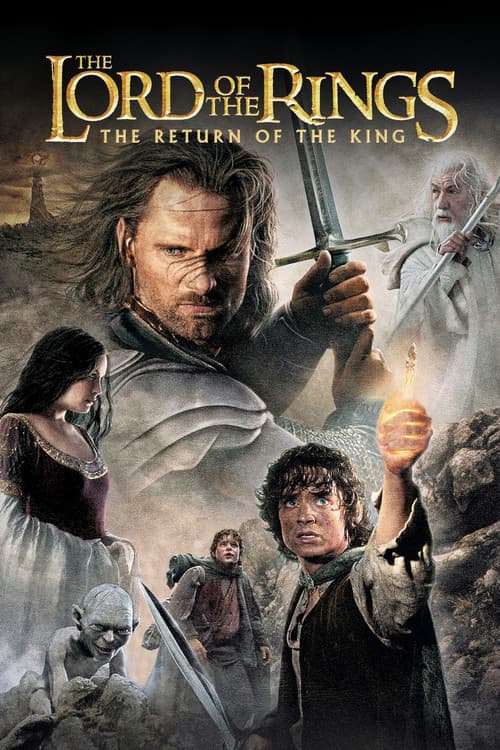
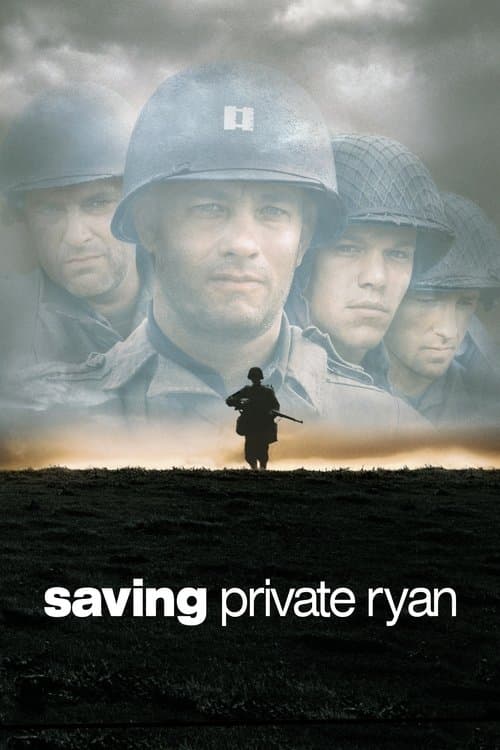
Films that share techniques with The Thin Red Line include Mulholland Drive (2001), The Lord of the Rings: The Return of the King (2003), Saving Private Ryan (1998), Braveheart (1995).