Hold back the monster
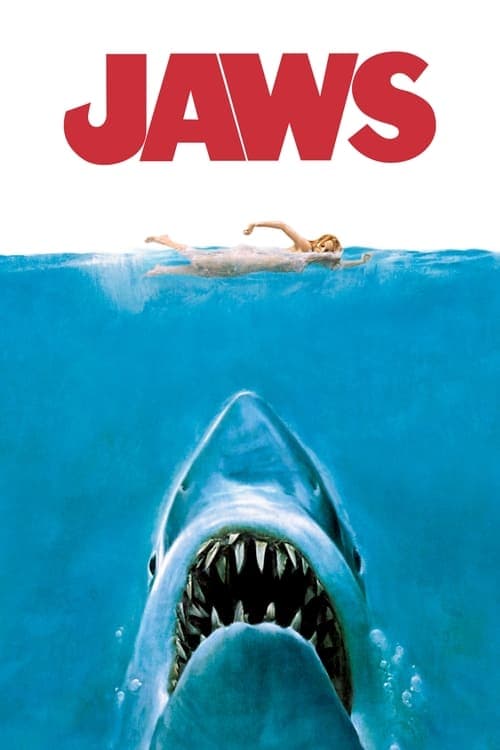
Jaws (1975) is the famous case. Spielberg keeps full shots of the shark away from you for most of the film, and the dread comes from knowing it's out there. On the beach, you see the fin coming while the swimmers have no idea. That's the old Hitchcock trick of letting the audience know something the characters don't.
Part of this came from bad luck. The mechanical shark kept breaking, so Spielberg suggested the animal with a barrel dragging through the water and with point-of-view shots. The film also uses silence well. John Williams' 2-note theme tells you the shark is close, so when the Orca scenes go quiet, you relax. Then the shark comes up anyway.
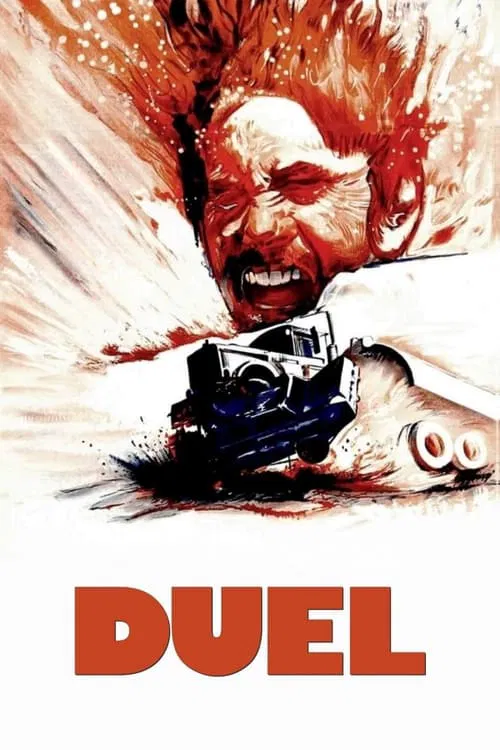
Duel (1971) pulls the same move with a tanker truck. You almost never see the driver, only his arms and boots. You hear the horn and the engine, and you watch Mann's face in his mirror. Dialogue is thin, so the road noise carries the film. In a diner, Mann attacks the wrong man, because fear makes him sure of something he can't know.
Action you could draw on a whiteboard
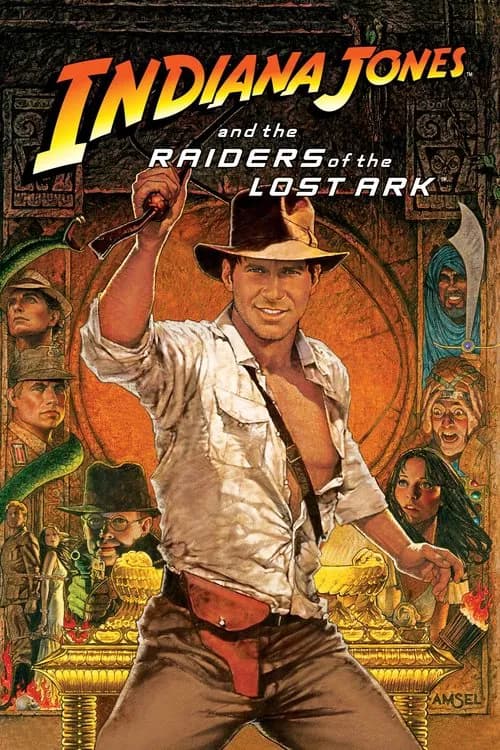
Raiders of the Lost Ark (1981) opens with a temple prologue that teaches you who Indiana Jones is without anyone saying it. You watch him read booby traps, move well, handle Satipo and fear snakes. It's also a small version of the whole film, packed into about 8 minutes.
The truck chase is the better lesson. Indiana gets under the truck, gets dragged, climbs back up, loses it and takes it back. Every beat causes the next one. The Well of Souls works the same way, because you see the layout of the pit before the snakes show up and you always know where they are.
Jurassic Park (1993) does it with raptors in a kitchen full of steel counters. Every hiding place gives the animals a new way in, and Spielberg shows you where they are the whole time. The effects are the other half. The computer-made dinosaurs are on screen for only about 6 minutes, so each one feels like an event. The T. rex attack leans on a full-scale animatronic, so the car, the rain and the animal all have real weight.
Sound that arrives before the picture
Spielberg likes to warn you with sound. In Jurassic Park, the T. rex shows up as a deep thud first, and the water in a cup on the dashboard ripples with each step. The effects team made those ripples by plucking a guitar string under the dashboard.
John Williams' main theme in Jurassic Park swells the first time the group sees a living dinosaur. It comes back at the end over the survivors, carrying wonder and everything that went wrong.
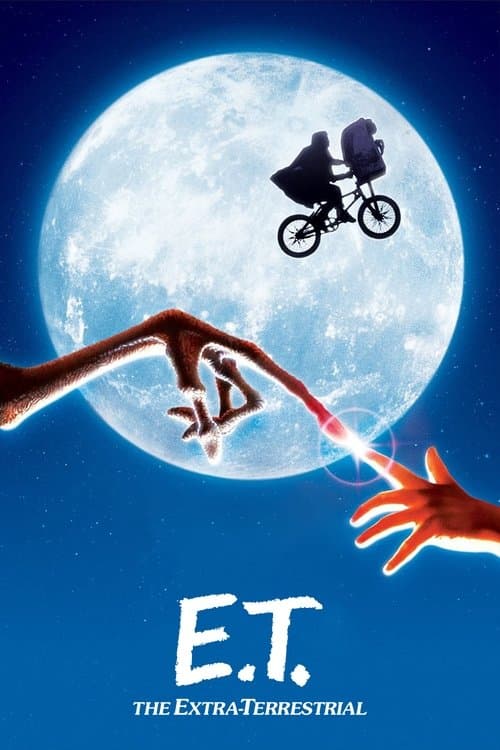
E.T. does this even better. The theme starts out as wonder, grows through danger, and plays in full during the bicycle chase against the moon. When it returns at the end, it carries the whole film with it. This is the one I'd start with if you want to hear what a leitmotif can do.
The world at a kid's height
E.T. (1982) is shot from a child's eye level. The government agents show up from the waist down, shot from knee height, and their authority comes entirely from how big they are next to the kids. The film also stays inside what Elliott understands. The alien, the threat and the family's grief all reach you through a 10-year-old's head. When he finds E.T. in the cornfield, you work it out slowly with him.
The house is full of real boyhood clutter, so the fantasy lands somewhere believable.
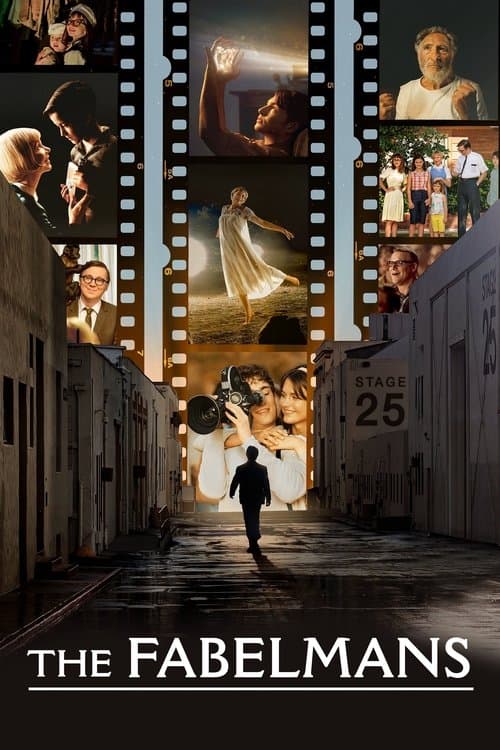
The Fabelmans (2022) is Spielberg's own childhood, filmed under different names. Sammy sees the world through his camera and understands only what a kid can. In the toy train scene, he films the crash over and over to cope with his fear. That one image tells you who he is. Later, his footage shows him something about his mother that he can't read yet. Calling it fiction gave Spielberg the distance to be honest about a painful family.
When the story is real history
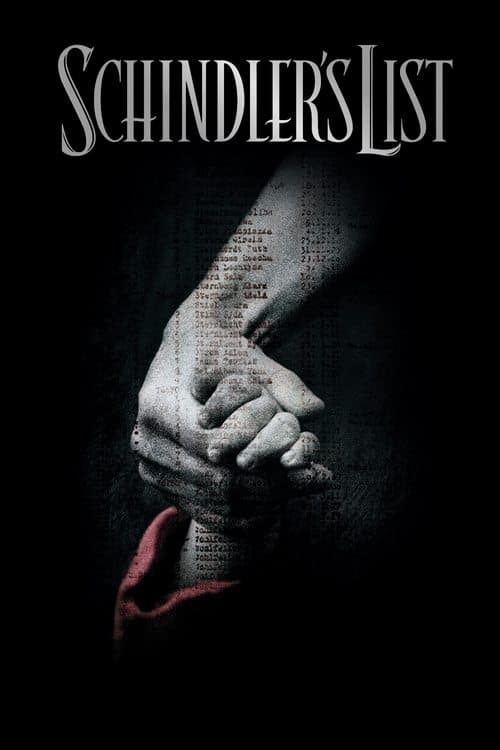
Schindler's List (1993) is shot almost entirely in black and white, even though Spielberg and Janusz Kaminski were pushed to use color. It looks like newsreels and photographs, so you treat it as a record. The one exception is the girl in the red coat in the Krakow ghetto liquidation. Schindler watches her from a rooftop, and she turns up again later on a cart of bodies. The Plaszow killings play with the score removed, and the silence leaves you alone with the sounds of the event. Much of it is handheld, as if the camera is struggling to keep up.
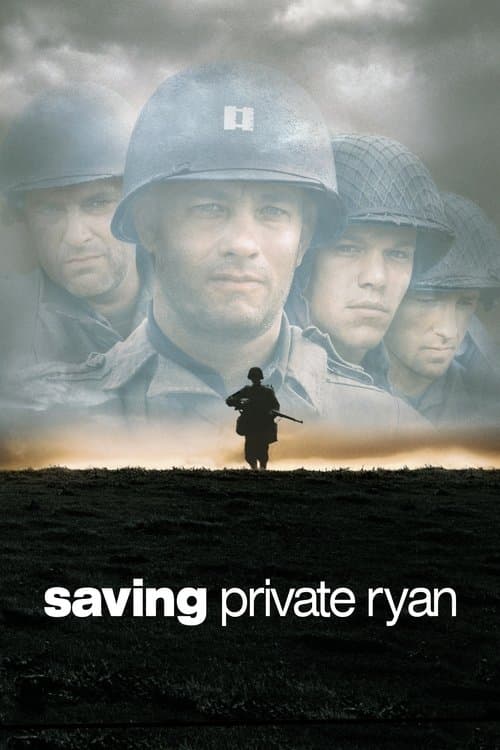
Saving Private Ryan (1998) takes a similar approach to combat. Kaminski bleached the color and used a narrow shutter angle for Omaha Beach, so the motion stutters like old war footage. There's no wide heroic view of the battle. The camera stays at ground level with individual men, and the sound puts you in their ears, including a muffled underwater stretch after the boat ramp drops.
Ryan opens and closes at a Normandy cemetery, where an old man asks if he earned his life.
The light side, with something sad underneath
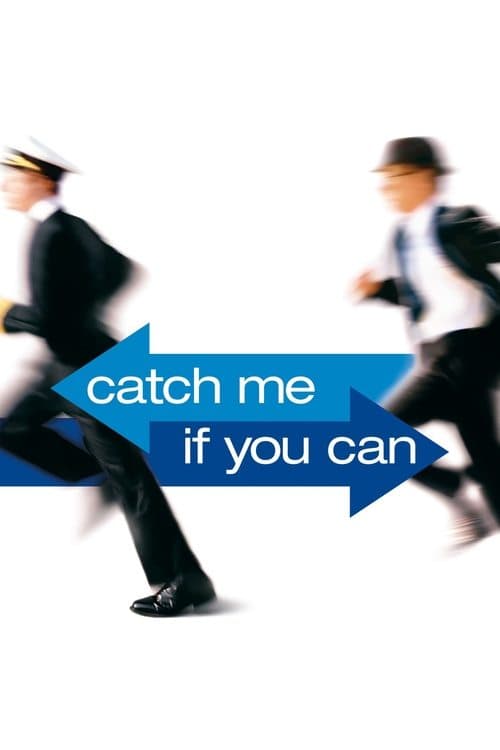
Catch Me If You Can (2002) follows Frank Abagnale Jr. as he poses as a pilot, a doctor and a lawyer. Each con is its own episode in a new city, which fits a boy who can't stay anywhere long enough to be known. The film begins with the FBI agent finding the adult Frank in a French prison, then jumps back to the teenager who ran. Telling it in hindsight lets you enjoy the adventure before you feel the cost.
The look helps. Kaminski shoots the 1960s in warm, rich color, with Pan Am blues and clean airport lines. It's the era's myth, photographed by someone who loves it and knows it was half fiction. The comedy comes from the gap between a teenager's age and the authority he fakes, like when he supervises nurses as a doctor.
How to use this when you watch
Next time you put on a Spielberg film, ask what he's keeping off screen and what he's telling you through sound. Check where the camera sits, too. Low for a child, at ground level for a soldier, or far back for a big action beat. Once you spot those choices, it's easier to see how the same director made Jaws and Schindler's List.
More guides
- Film Noir Lighting Explained: 8 Films That Nail It
- How Directors Build Suspense: 8 Films That Show You How
- Unreliable Narrator Movies Explained: 9 Films That Fool You
- Non-Linear Movies Explained: 8 Films Told Out of Order
- Long Takes and Oners Explained: 9 Famous One-Shot Scenes
- How Color Tells the Story: 9 Films With Meaningful Palettes