Invisible editing
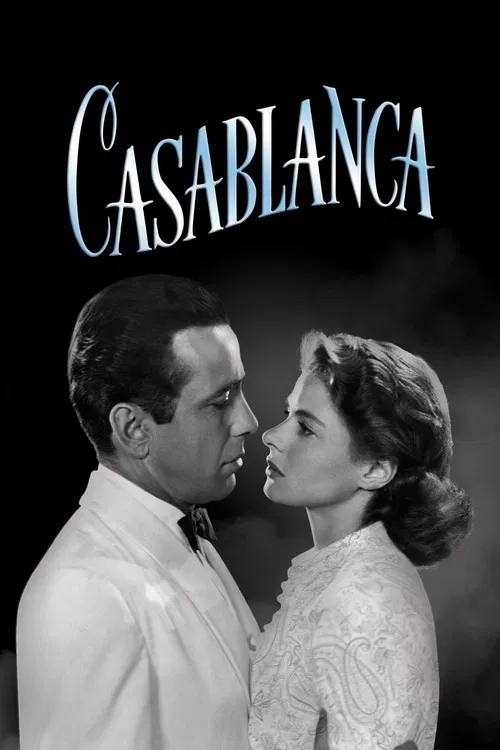
Start with Casablanca (1942), because it shows you what normal looks like. It's built on classical continuity editing, the style where every cut is meant to go unnoticed. In Rick's Café, several conversations run at the same time and you never lose track of who is where. A glance in one shot gets its answer in the next. Learn this first, since most of the films below get their power from breaking it.
Cutting as the attack
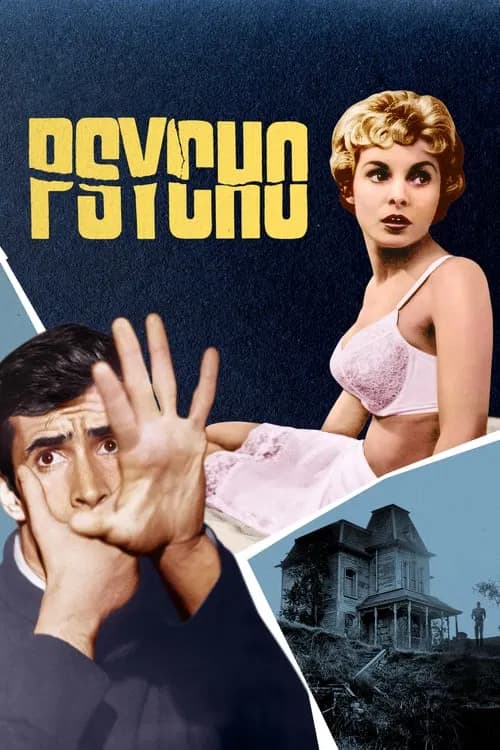
The shower scene in Psycho (1960) packs 70 shots into 45 seconds. You never see the knife touch her. The speed of the cutting is what makes it feel violent, together with the screeching strings on the soundtrack. Step through it frame by frame once, and you'll see how little is actually shown. It's the clearest proof you'll find that editing alone can make an audience feel physical horror.
The match cut
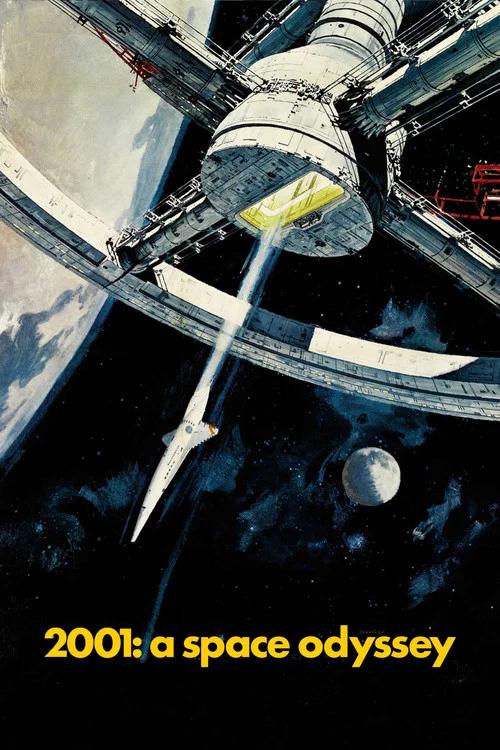
A match cut joins 2 shots through a shared shape or movement. In 2001: A Space Odyssey (1968), an ape throws a bone into the air, and the film cuts to a weapons satellite in orbit. The cut skips about 4 million years and suggests that human technology all grows out of that first weapon.
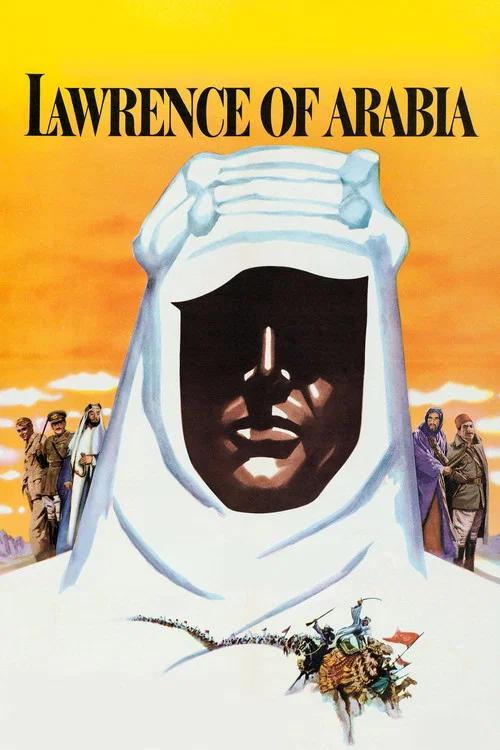
Lawrence of Arabia (1962) has the other famous one. Lawrence blows out a match, and the film cuts straight to the sun rising over the desert. The horizon lines up across the cut and dark turns to light. It's one of the most picked-apart edits in film, and it's worth watching a few times in a row.
Cross-cutting to make an argument
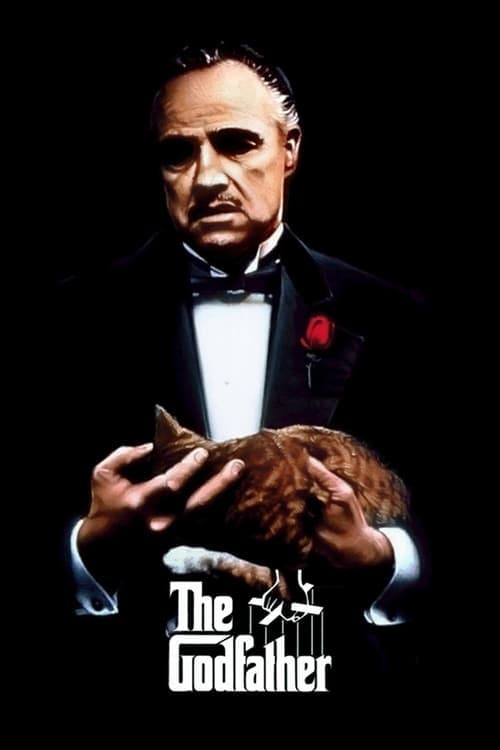
Cross-cutting means switching back and forth between events happening at the same time. The Godfather (1972) uses it at the baptism. Michael stands as godfather to his nephew and renounces Satan in church. Meanwhile, on his orders, the heads of the other families are being killed. The 2 lines share one rhythm, and the film never has to say out loud what kind of man Michael has become.
Breaking the rules on purpose
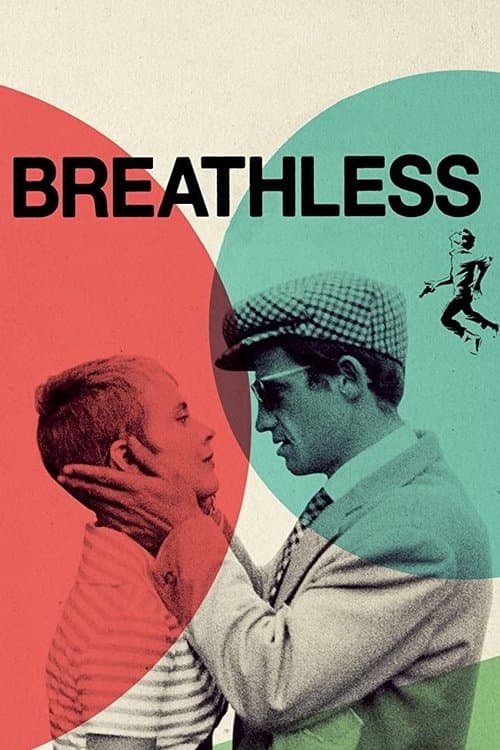
Breathless (1960) is where the modern jump cut comes from. Godard cuts inside a single shot to remove dead time, so the picture jumps forward. Watch Michel driving the stolen car. The cuts chop seconds out of one continuous drive, and the jumpy rhythm matches his scattered energy.
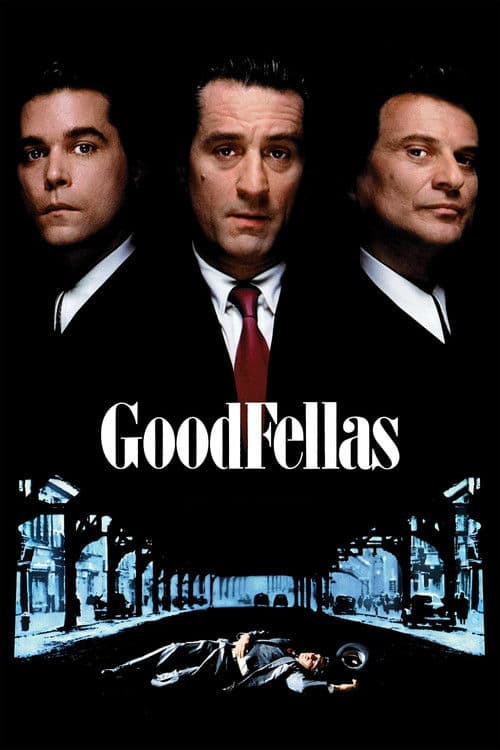
Goodfellas (1990) freezes the frame to introduce people while Henry's voiceover explains who they are, like a memory picking out what mattered. Near the end, the editing follows Henry's paranoia. On the day the helicopter tails him, the cuts get faster and the angles get shakier as he loses control.
Hiding the cuts completely
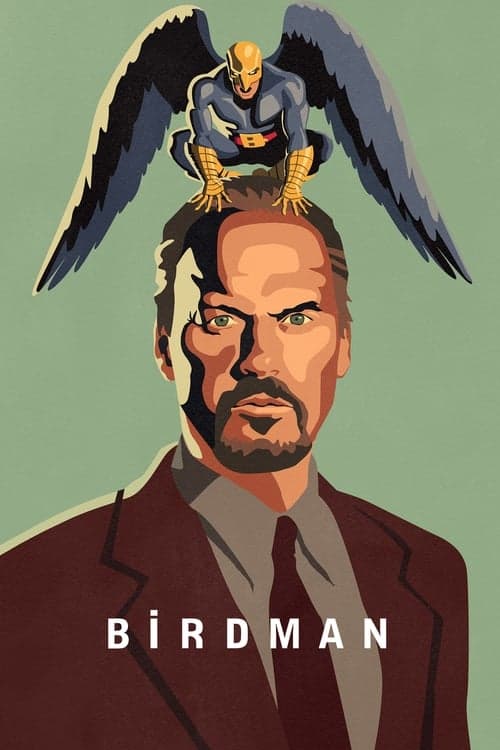
Birdman (2014) looks like it was shot as one continuous take, and it's really a series of shots joined so you can't see the seams. The cuts are hidden in dark frames and behind objects passing the lens. Time seems to run without a break, and that feeds the feeling that Riggan can't get out of his own performance. Watch him leave the theater. The camera follows him from backstage into the streets of New York, and it's a good exercise to try to spot where the joins might be.
Speed and rhythm
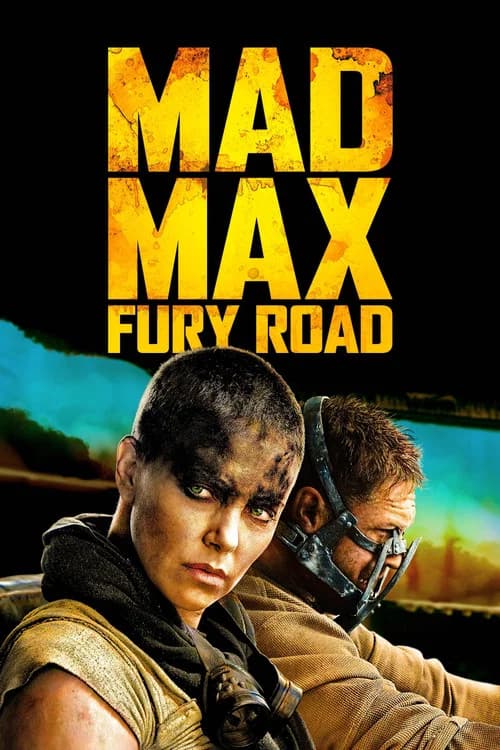
Mad Max: Fury Road (2015) has 2,700 shots in 120 minutes. It still never gets confusing, because each cut puts the important thing right where your eye already was in the shot before. You always know where you are while the chase keeps getting more intense.
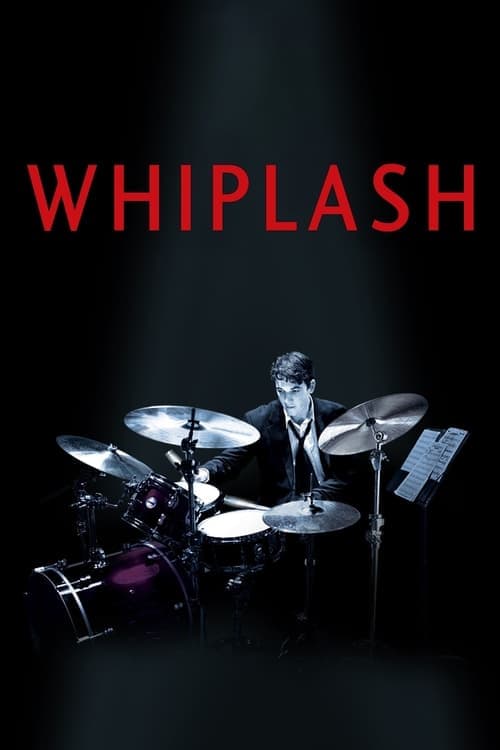
Whiplash (2014) cuts the drumming scenes on the beat. In the final festival performance, the edits land with the drums, so the editing almost turns into part of the percussion.
How to use this when you watch
Pick one scene and count the cuts. After that, ask why each cut lands where it does. Is it skipping time, or is it joining 2 ideas? Once you start asking that, you'll notice editing in every film you watch, including the ones working hard to hide it.
More guides
- Film Noir Lighting Explained: 8 Films That Nail It
- How Directors Build Suspense: 8 Films That Show You How
- Unreliable Narrator Movies Explained: 9 Films That Fool You
- Non-Linear Movies Explained: 8 Films Told Out of Order
- Long Takes and Oners Explained: 9 Famous One-Shot Scenes
- How Color Tells the Story: 9 Films With Meaningful Palettes