Symmetry that feels like a trap
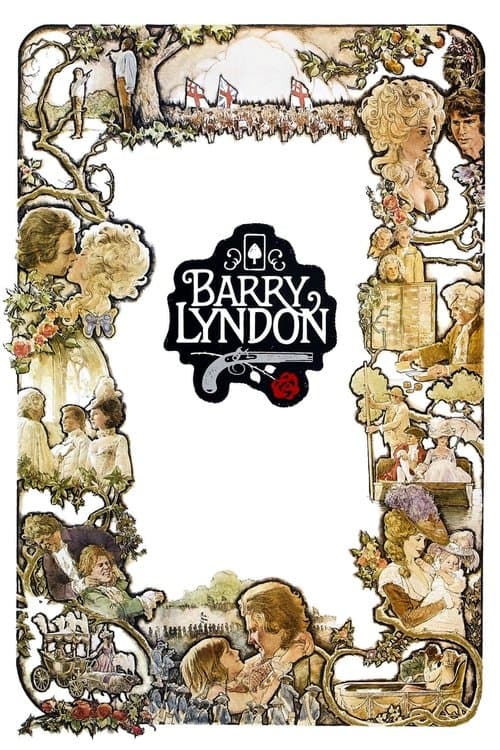
Kubrick loves one-point perspective, where every line in the frame runs to a single point in the middle. In Barry Lyndon (1975), the gaming rooms and country estates are staged like 18th-century paintings. Everything is in order, and it looks like a stage set that Barry is trying to get a part in.
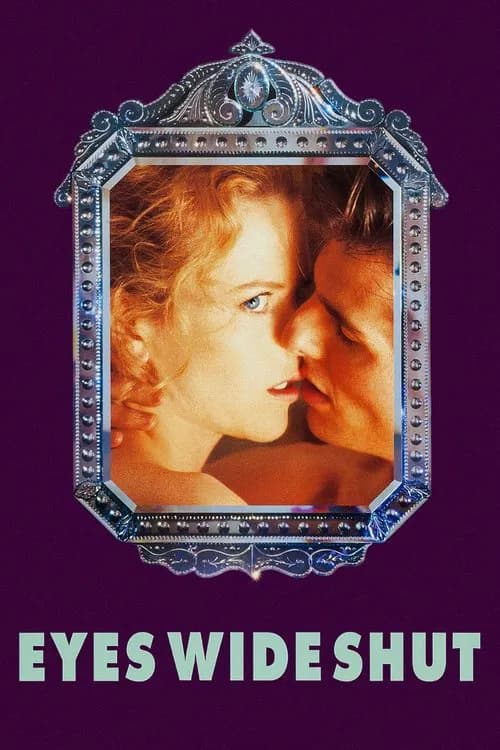
Eyes Wide Shut (1999) uses the same framing on the Harford apartment's hallways and on hotel corridors. They turn into neat tunnels. When Bill walks the Greenwich Village streets at night, the lines are perfectly centered, and it feels like a dream. The order looks calm, and the film slowly shows you it's hiding things.
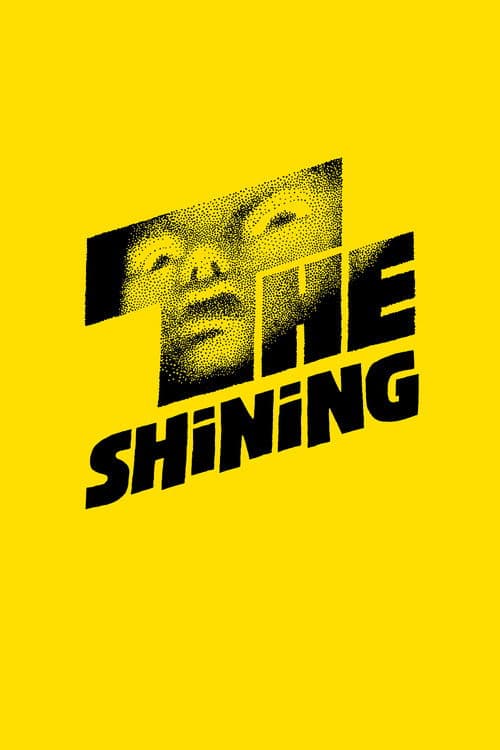
The Shining (1980) adds a nasty twist. Kubrick put in furniture and windows that move or vanish between cuts. Mr. Ullman's office has a window behind the desk that couldn't exist in an inside room. You may not spot it the first time, but the hotel never quite adds up.
A camera that won't react
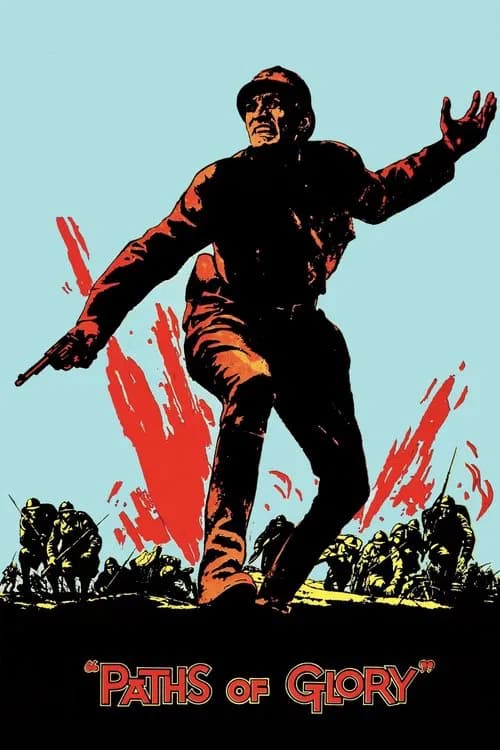
Kubrick's camera usually moves slowly and doesn't flinch. In Paths of Glory (1957), Colonel Dax walks the length of a World War I trench, and the camera tracks with him at walking pace. It notes the conditions and keeps going. The horror starts to look like part of the system.
Full Metal Jacket (1987) does it with a slow zoom. The camera creeps in on Pyle's face during his breakdown in the head, and it takes its time. A Clockwork Orange (1971) cuts to shots from straight overhead, both when Alex has power and when he's strapped into the Ludovico chair. From up there, the attacker and the victim look about the same.
The Shining puts the same cold patience on a Steadicam. It glides right behind Danny's tricycle at child height, and the calm movement feels like something hunting him.

Music played against the picture
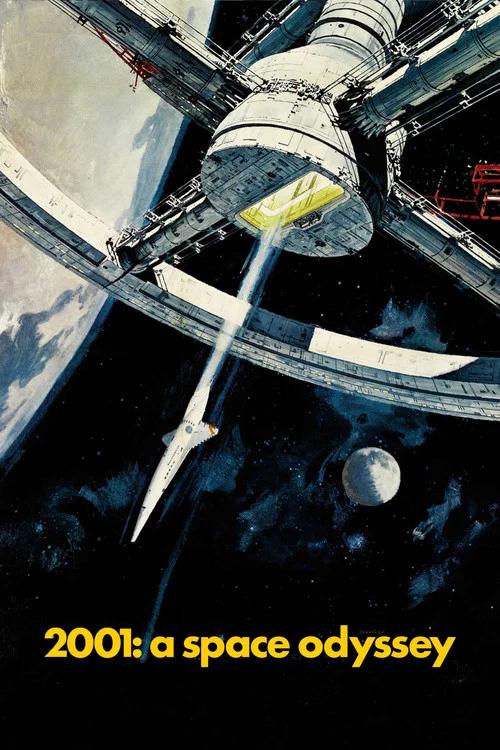
This is the habit I'd point a first-timer to. In 2001: A Space Odyssey (1968), a shuttle docks with a space station to The Blue Danube. The technology looks graceful and kind of ordinary at the same time. Ligeti's clashing clusters of notes are saved for the monolith, which makes it feel alien.
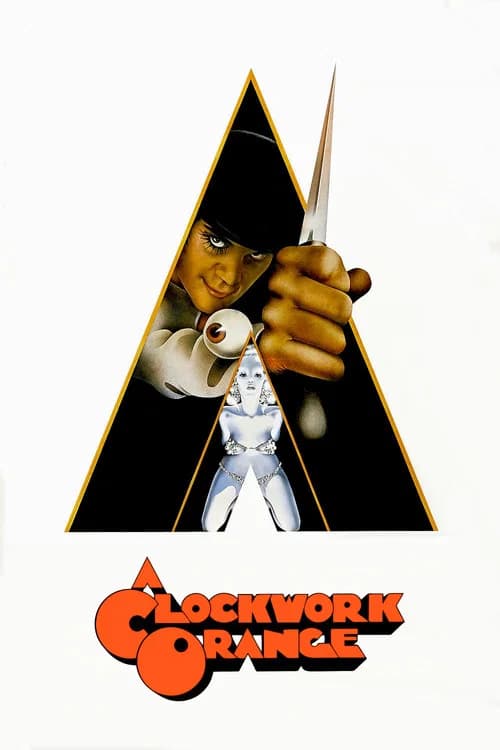
A Clockwork Orange pushes it much further. Alex sings 'Singin' in the Rain' and tap-dances while beating a writer during a home invasion. Later, Beethoven's Ninth plays over the war footage in the Ludovico treatment. The music never comments on the violence, so you're left to deal with how good it looks.
Full Metal Jacket ends with soldiers singing the 'Mickey Mouse Club' theme as they march through burning Hue City. Earlier, 'Surfin' Bird' plays over a patrol through rubble. The songs show you the cheerful culture the war came out of.
Narrators who keep you at arm's length
Barry Lyndon's narrator tells you what will happen to Barry before each sequence shows it. His tone is dry and detached. So, every win already feels lost, and the comedy is the gap between how Barry sees himself and how the narrator tells it.
A Clockwork Orange flips that around. Alex narrates like you're his friend, in Nadsat slang ('droog', 'horrorshow', etc.). He's funny and sharp, and you go along with him before you know what you're agreeing to. Then, the film makes you look at what you were enjoying.
Institutions as theater
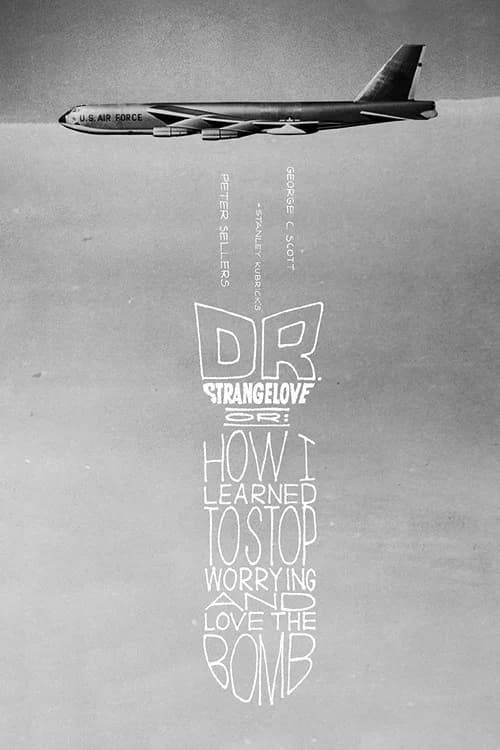
Kubrick keeps coming back to big institutions, and he often shoots them like stages. Dr. Strangelove (1964) has the War Room, with a round table under one overhead light and a big board. Nothing like it exists, and it still feels official. Peter Sellers plays the President, Group Captain Mandrake and Strangelove himself, as if the whole establishment were one actor in different costumes. The comedy is how the film gets its argument about nuclear war past you.
Paths of Glory cuts between the generals' château, all warm light and high ceilings, and the cramped trenches. Then, it stages a court martial that follows every rule while the verdict is already decided. Full Metal Jacket splits into 2 halves with one hard cut. Parris Island makes the soldier, and Hue City uses him.
Leaving the answer out
Kubrick is fairly happy to leave you without an explanation. The monolith in 2001 shows up at each big step in human history, and you never learn what it is. You end up filling it with your own meaning. The Stargate sequence near the end has no story at all. It's abstract light and sound meant to put you in Bowman's head.
The Shining never settles if the hotel's ghosts are real or if Jack is losing his mind. Watch the Gold Room scenes and try to decide if Lloyd the bartender was ever really there.
How to use this when you watch
When you watch a Kubrick film, notice where the camera sits and how it feels about the people in front of it. Then, listen for music that seems to belong to a happier movie. A lot of the discomfort in his films comes from awful things being shown to you very calmly.
More guides
- Film Noir Lighting Explained: 8 Films That Nail It
- How Directors Build Suspense: 8 Films That Show You How
- Unreliable Narrator Movies Explained: 9 Films That Fool You
- Non-Linear Movies Explained: 8 Films Told Out of Order
- Long Takes and Oners Explained: 9 Famous One-Shot Scenes
- How Color Tells the Story: 9 Films With Meaningful Palettes