Editing technique · used in 2 films

Corridor Oner Combat

Filming a long fight in a tight space as one unbroken take. With no cuts, you feel how long it lasts and how exhausted the fighter gets, so the violence never looks pretty.

Examples

2 films that use it

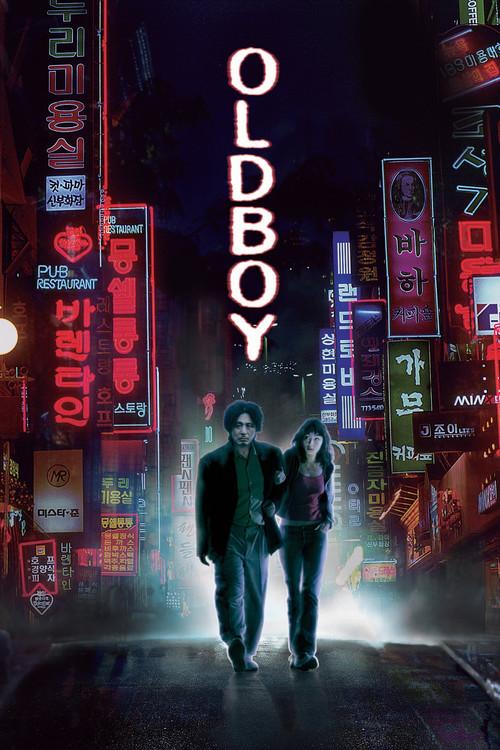
  1. Oldboy (2003) poster

    Oldboy

    Park Chan-wook · 2003

    The hallway fight is filmed in 1 unbroken shot, often called a oner, and it's choreographed to look like hard labor. Oh Dae-su is barely winning. He slips, he crawls and he keeps fighting when he's nearly too tired to stand. With no cut, you can't look away, and the editing never saves you from seeing what violence takes out of a person.

    Where to see it: The corridor fight. Oh Dae-su drags himself through a long line of opponents. The single take gives him (and you) no break.
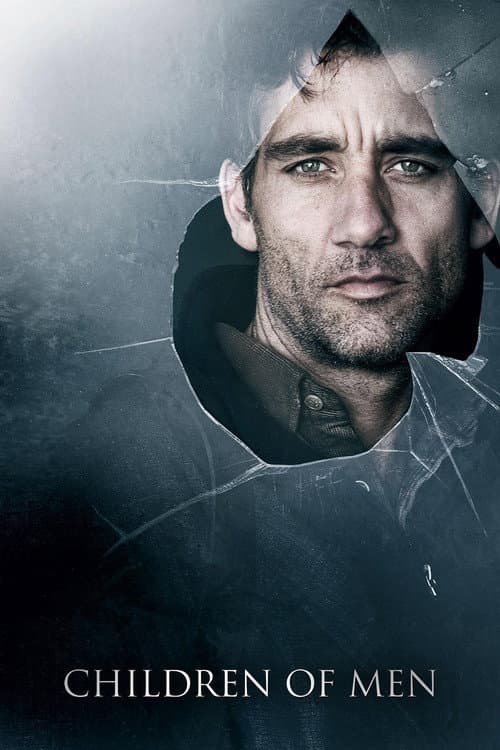
  2. Children of Men (2006) poster

    Children of Men

    Alfonso Cuarón · 2006

    The car attack sequence and the Bexhill battle are each staged as 1 long take that appears to have no cuts. During the Bexhill battle, blood smears on the lens and nobody wipes it off. The camera moves through spaces where soldiers have just fought and shows you the aftermath without cutting away. With no cuts, you don't get a string of dramatic highlights. The violence becomes 1 continuous, exhausting experience.

    Where to see it: The Bexhill battle. A long take that looks unbroken follows Theo through the street fighting and into the building. The blood stays on the lens as proof of what the camera has been through.

Questions

Quick answers

What is corridor oner combat in film?
Filming a long fight in a tight space as one unbroken take. With no cuts, you feel how long it lasts and how exhausted the fighter gets, so the violence never looks pretty.
Which films use corridor oner combat?
Oldboy (2003), Children of Men (2006).
What kind of technique is corridor oner combat?
It is a editing technique. Related editing techniques include Time Compression Editing, Kinetic Set Piece Architecture.