An opening shot that sets up everything
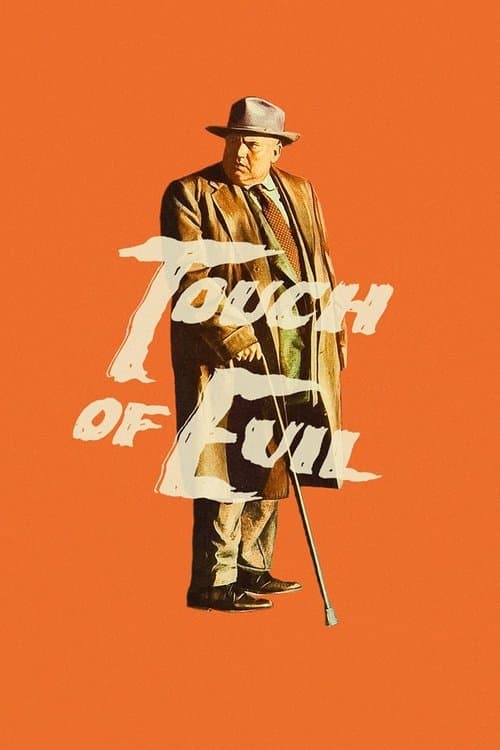
Touch of Evil (1958) opens with someone putting a bomb in a car. The camera then follows the car through a border town while Vargas and Susan walk alongside it. The shot runs about 3 and a half minutes with no cut. By the time the bomb goes off, you've met the main characters and seen the places the story will use. It's also a suspense scene. You know about the bomb the whole time, and the camera never cuts away to let you breathe.
The tracking shot as a tour
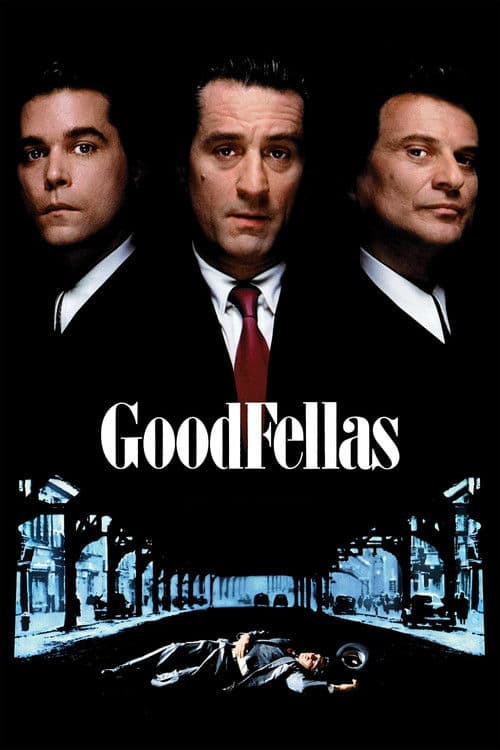
In Goodfellas (1990), Henry takes Karen into the Copacabana through the back entrance and the kitchen, all the way to a ringside table, in one unbroken take of about 2 and a half minutes. The camera moves as easily as he does. For those minutes, his world seems to belong to him, and you get to share it.
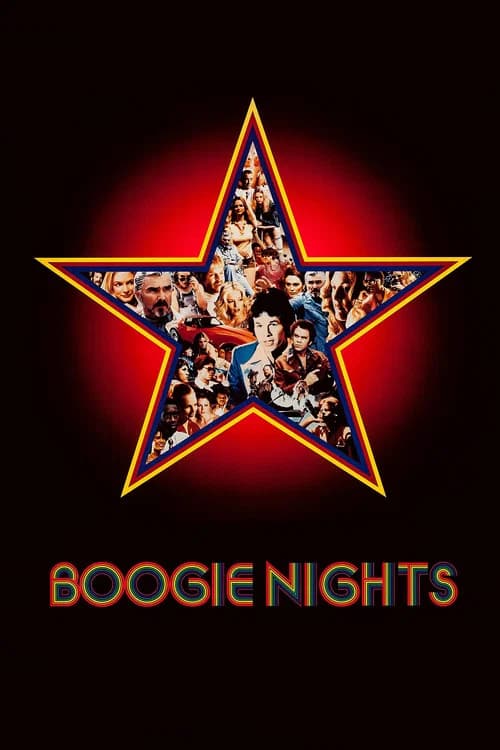
Boogie Nights (1997) opens with a 3-minute Steadicam shot through a nightclub. It starts outside, moves in through the entrance and picks up the main characters one at a time before it finds Eddie. By the end of the shot, you've been introduced to the film's whole social world without a single cut.
Films built to look like one shot
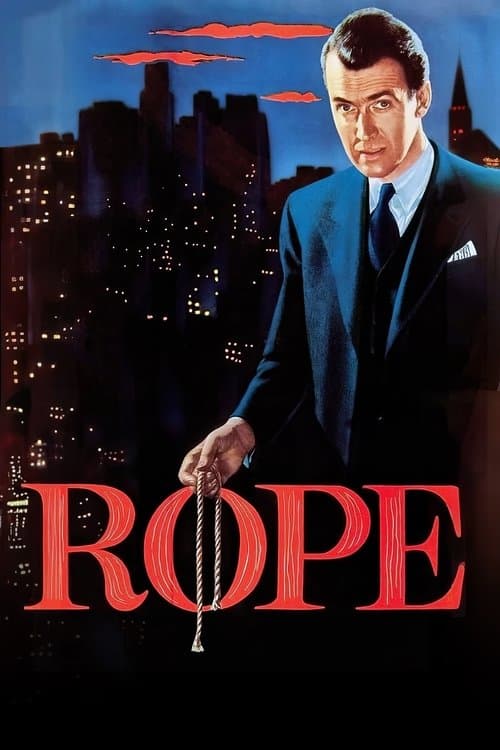
Rope (1948) is made almost entirely of long dialogue scenes with no cuts, some running as long as a whole reel of film. The camera moves around the apartment, and the actors have to hold the tension themselves, since the editing can't help them.
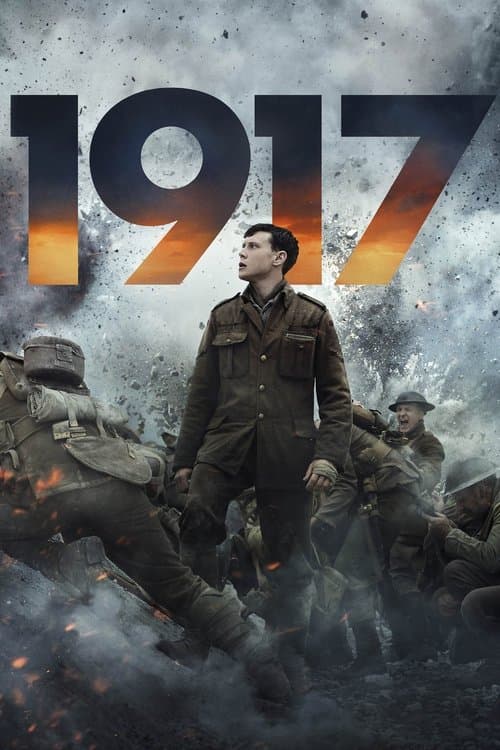
1917 (2019) was designed to look like one continuous tracking shot. The crew spent months rehearsing so the camera could follow Schofield through sets built to be crossed in order. The night sequence in the ruined French village, lit only by flares, is the one to watch. The mission has a dawn deadline, and with no cuts, every obstacle eats real minutes.
Oners in fights and battles
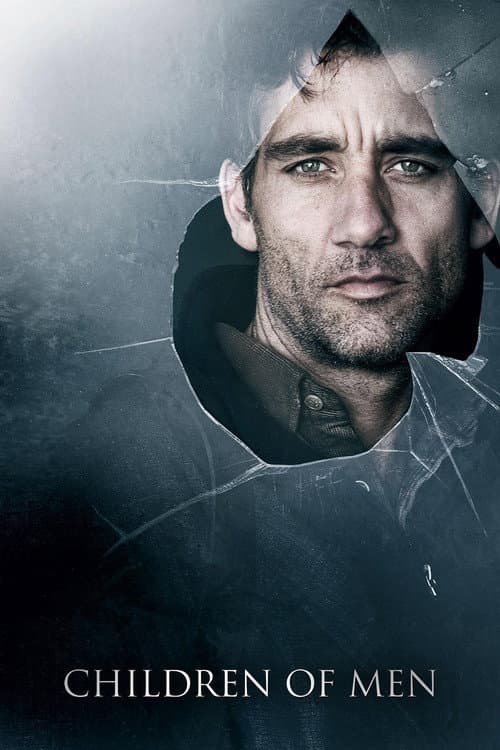
Children of Men (2006) has long uncut takes during the car attack and the Bexhill battle. In Bexhill, blood splashes onto the lens and stays there. The camera keeps moving through the street fighting and into a building, so the violence plays as one long ordeal with no highlights picked out for you.
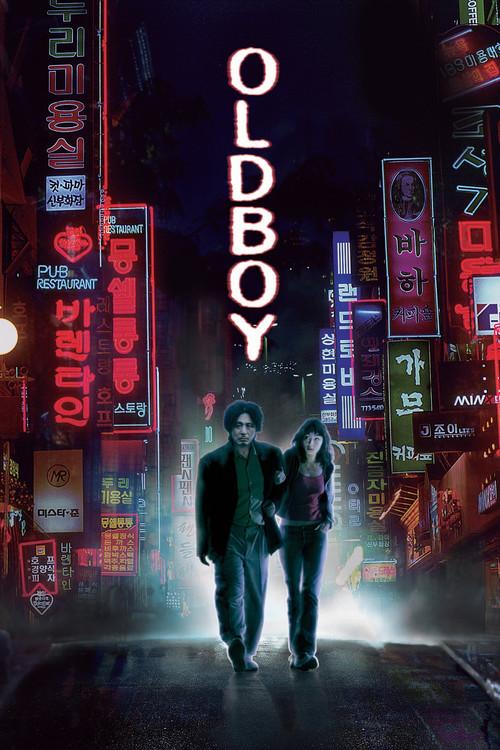
Oldboy (2003) shoots its corridor fight in a single take. Oh Dae-su is barely winning. He slips and crawls and keeps going, and since there's no cut, you see everything the fight takes out of him.
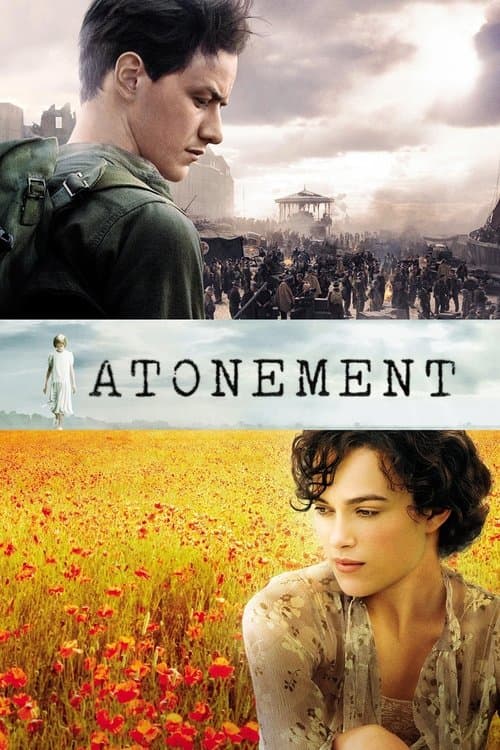
Atonement (2007) follows Robbie across the Dunkirk beach in a 5-minute Steadicam take. It passes thousands of extras, a burning pier, a horse being shot and soldiers singing, all in one move. The chaos of the retreat reaches you as a single continuous movement, and each new horror arrives with no cut to soften it.
Floating in space
Gravity (2013) opens with a 13-minute shot. It starts with Earth in the distance, drifts over to the shuttle, moves among the crew and then watches the debris hit. The camera floats the way the astronauts do, and the whole setup of the film arrives in that one take. I feel like it's the clearest example on this list of a long take used to make a place feel continuous.

How to use this when you watch
When you notice a long take, time it. Start counting when the shot begins and stop at the first cut. After that, ask what the director got by not cutting, whether that's tension or the feeling of being trapped somewhere. Most of the time, the length is doing a job you can name.
More guides
- Film Noir Lighting Explained: 8 Films That Nail It
- How Directors Build Suspense: 8 Films That Show You How
- Unreliable Narrator Movies Explained: 9 Films That Fool You
- Non-Linear Movies Explained: 8 Films Told Out of Order
- How Color Tells the Story: 9 Films With Meaningful Palettes
- Best Films to Study Cinematography: 10 Films and What to Watch